
Plants
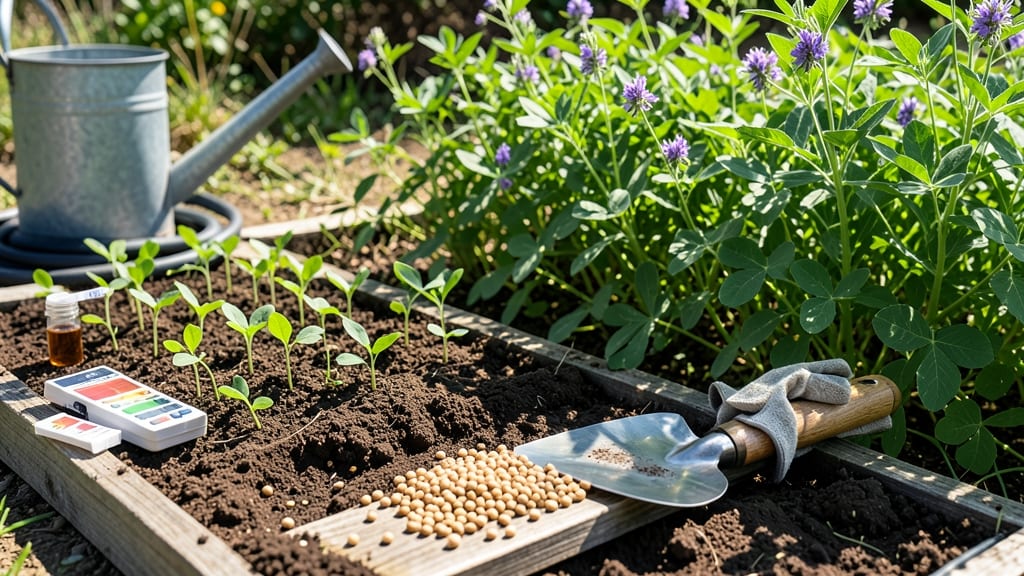
Planting alfalfa in Michigan at the wrong time could mean wasted seeds and lost forage potential—especially in Zone 5b/6a where frost lingers longer. The ideal window is narrow, and getting it right means the difference between a thriving 🌱 crop and a failed investment.
Most gardeners assume spring planting is the only option, but Michigan’s climate actually offers two opportunities: early spring (March-April) or late summer (August). Each has its own risks—frost damage in spring or heat stress in summer—and knowing which works best for your region is critical.
I’ll break down the exact frost-free windows, soil prep tips, and backup strategies for when Mother Nature throws curveballs. Whether you’re growing alfalfa for hay, soil improvement, or cover cropping, these insights will help you time your planting like a pro.
Ready to maximize your yield? Let’s dive into the most reliable planting schedule tailored to Michigan’s unpredictable weather—so you can stop guessing and start growing.
Michigan alfalfa planting dates by Zone 5b/6a: exact frost-free window
Michigan’s Zone 5b/6a climate means alfalfa must be planted within a tight window to avoid frost damage or reduced yields. The ideal time is after the last spring frost, typically between mid-April and early May, when soil temperatures reach 50°F (10°C) consistently.
For northern Michigan (Zone 5b), aim for April 20–May 10, while southern areas (Zone 6a) can start as early as mid-April.
Alfalfa seeds need warm soil to germinate quickly. If planting in late spring (May), use a seed inoculant to boost nitrogen fixation and ensure strong establishment before winter. Always check your local Michigan State University Extension frost date maps for precision.
🌱
| Zone | Ideal Planting Window | Soil Temp Requirement | Backup Window |
|---|---|---|---|
| Zone 5b (Northern MI) | April 20–May 10 | 50°F (10°C) minimum | May 15–June 1 (with inoculant) |
| Zone 6a (Southern MI) | Mid-April–May 5 | 50°F (10°C) minimum | May 10–20 (with inoculant) |
For fall planting, alfalfa can also be sown in late August to establish roots before winter. However, this method is riskier due to early frosts and requires careful monitoring. Always test soil pH (6.5–7.0) and drainage before planting to prevent rot.
If you miss the spring window, consider cover cropping with clover first to improve soil health before planting alfalfa the following year. This is especially useful in sandy soils common in northern Michigan.
🌿
Alfalfa’s second-year harvest (June–August) depends entirely on proper spring planting. Delaying beyond May 20 in Zone 5b risks stunted growth, while planting too early (March) exposes seeds to frost heave or poor germination.
Use a seed drill for even spacing (18–24 inches between rows) to maximize yield. In Michigan’s humid climate, avoid overcrowding to prevent disease pressure like leaf spot.
💧
Pro tip: Plant alfalfa with red clover as a nurse crop to suppress weeds and improve soil nitrogen until the alfalfa establishes. This is a game-changer for organic farms in Michigan’s short season.
Always keep a planting journal to track your local frost dates and adjust future schedules. Michigan’s climate varies wildly—what works in Traverse City may fail in Detroit!
5 Critical factors that affect alfalfa planting success in Michigan
Alfalfa thrives in Michigan’s climate when you nail these five critical factors. Skipping any step risks poor germination, stunted growth, or even total crop failure—especially in our Zone 5b/6a regions where conditions shift rapidly.
First, soil temperature must reach 50°F (10°C) before planting. Cold soil delays germination, leaving seeds vulnerable to rot. Use a soil thermometer to confirm readiness—this is non-negotiable in Michigan’s unpredictable springs.
Next, seed depth matters. Plant alfalfa seeds ¼ inch deep—any deeper and they’ll struggle to break through the soil crust. Pair this with proper spacing: 6-12 inches apart in rows 18-24 inches apart to prevent overcrowding and improve airflow.
Soil Temperature
Wait until soil reaches 50°F (10°C)—critical for germination in Michigan’s cool springs.
Seed Depth & Spacing
Plant ¼ inch deep, 6-12" apart in rows 18-24" apart for optimal airflow and growth.
Moisture Management
Keep soil consistently moist (not soggy) for 2-3 weeks post-planting—critical for root establishment.
Weed Competition
Apply pre-emergent herbicide or mulch to block weeds—alfalfa is slow to establish and needs unobstructed sunlight.
Post-Planting Care
Avoid heavy foot traffic on young seedlings and fertilize lightly (10-20-10 NPK) 4-6 weeks after emergence to avoid burning tender roots.
Finally, weed competition can make or break your alfalfa. Young plants grow slowly, so suppress weeds with mulch or pre-emergent herbicide immediately after planting. Even a few dandelions can steal nutrients and sunlight, stunting your crop before it gains a foothold.
Pro tip: In northern Michigan (Zone 5b), prioritize early spring planting (mid-April) to capitalize on the longer daylight hours. In southern Michigan (Zone 6a), you’ve got a slight buffer—plant by late April to avoid summer drought stress.
By mastering these five factors, you’ll give your alfalfa the best shot at thriving in Michigan’s challenging climate—whether you’re growing it for hay, soil improvement, or forage. 🌱