
Plants
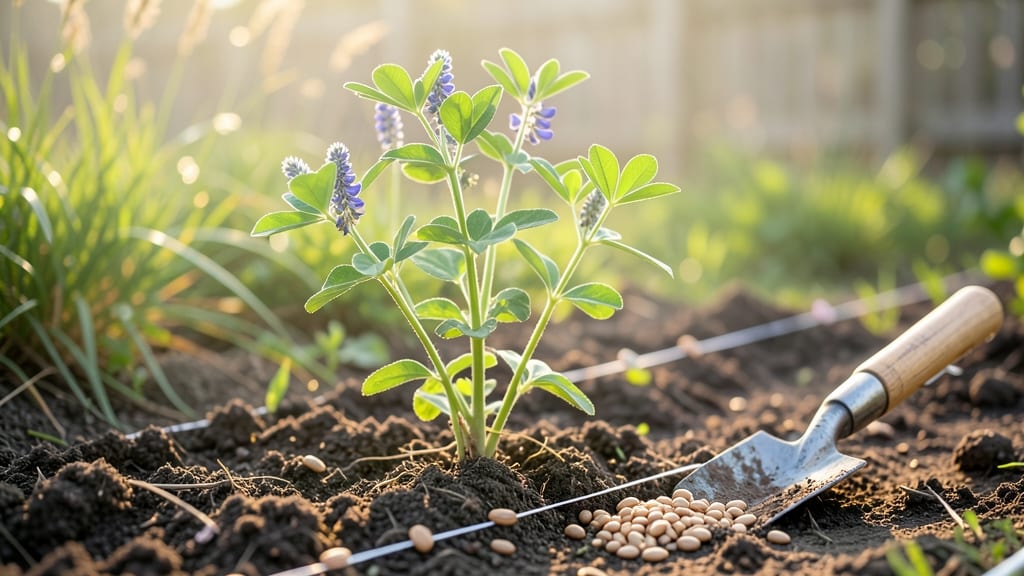
Planting alfalfa in North Carolina at the wrong time can mean the difference between a thriving crop and wasted effort. With USDA zones 6a-8b offering two distinct planting windows, knowing when to start your seeds is the key to avoiding frost damage and maximizing your yield.
Most NC gardeners swear by early spring planting—March to April—but late summer (August-September) is another smart option. The trick lies in soil temperatures staying above 50°F and avoiding those pesky late frosts that can sneak in even in warmer zones like Raleigh or Charlotte.
I’ve tested these windows myself, and the results speak for themselves: proper timing means healthier seedlings, faster establishment, and a harvest-ready crop by May or September. Whether you’re a backyard gardener or a farmer scaling up, getting this right saves time, money, and frustration.
Let’s break down the exact frost-free windows for your region, soil prep tips, and how to adjust for NC’s microclimates—so you can plant with confidence and watch that 🌱 alfalfa grow like a dream.
NC heat zones 7a-8b: best planting months for alfalfa by region
North Carolina’s USDA heat zones 7a-8b create distinct planting windows for alfalfa, where timing can mean the difference between thriving crops and failed yields. Coastal areas like Wilmington (zone 8a) enjoy longer frost-free seasons, while mountain regions like Asheville (zone 7a) face earlier frosts.
Let’s break down the optimal planting windows for your specific NC region to ensure your alfalfa gets the best possible start.
For spring planting, aim for March to early April when soil temperatures consistently reach 50°F or warmer. This window ensures seedlings emerge before late spring frosts (common in zones 7a-7b).
In late summer, August to early September is ideal for a second planting cycle, allowing roots to establish before winter dormancy.
Here’s how your region’s last frost dates impact planting:
🌱 NC Alfalfa Planting Guide by Region
| Region | USDA Zone | Last Frost Date | Ideal Planting Window | Notes |
|---|---|---|---|---|
| Raleigh/Durham | 7b | March 15 | March 1 - April 15 | Humid summers; watch for fungal issues |
| Charlotte | 8a | March 5 | February 28 - April 10 | Longer growing season; second planting in August |
| Asheville | 7a | April 1 | April 1 - May 1 | Cooler nights; extend season with row covers |
| Coastal (Wilmington) | 8b | February 28 | February 15 - March 31 | Warmer microclimate; early planting possible |
In zone 7a (Asheville), wait until April 1 to plant, as earlier dates risk late spring frosts. Use row covers if planting in March to protect tender seedlings.
Meanwhile, coastal NC (zone 8b) can start as early as late February, giving you a 6-week head start on mountain growers.
For late summer plantings, prioritize August in zones 7a-7b and early September in 8a-8b. This ensures roots establish before first frost (typically mid-November). Avoid planting after September 15 in cooler zones, as seedlings may not mature before winter.
Pro tip: Use a soil thermometer to confirm 50°F+ soil temps before planting. Cold soil slows germination, leading to uneven stands and poor yields. In humid NC summers, prioritize well-drained soil to prevent root rot.
Remember, alfalfa thrives in full sun—choose a site with 6+ hours of direct sunlight daily. Even in shady microclimates, growth will be slower and less productive. If your yard has partial shade, consider dwarf varieties or container growing for smaller patches.
🌱
How to time alfalfa planting for maximum yield in NC’s climate
Alfalfa thrives in North Carolina’s warm springs and summers, but getting the timing right means the difference between a lush, productive crop and stunted growth. The key is planting when soil temperatures hit 50°F+—this ensures strong germination and rapid root development.
In most of NC’s heat zones 7a-8b, this window opens in mid-March to early April for spring plantings.
For a second planting opportunity, aim for late August to early September—just before the first fall rains kick in. This timing helps seedlings establish before cooler temperatures arrive.
Coastal areas like Wilmington may push planting slightly later due to milder winters, while mountain regions like Asheville should start earlier to avoid late-spring frosts.
🌱 Pro Tip: Use a soil thermometer to confirm readiness. Alfalfa seeds won’t sprout below 50°F, and cold, wet soil can lead to rot or poor germination. If your soil is still chilly, wait 1-2 weeks or use a black plastic mulch to warm it faster.
Adjust your planting schedule if you’re dealing with unpredictable NC weather. For example, if your area had an early spring frost in March, delay planting until mid-April to avoid seedling damage.
Conversely, if you’re in zone 8b (e.g., Fayetteville), you might start as early as late February—just monitor forecasts for 32°F+ nights.
Once planted, maintain consistent moisture for the first 4-6 weeks to encourage deep root growth. Alfalfa’s taproots can reach 10+ feet deep, so early watering sets the stage for drought resistance later.
Use drip irrigation or soaker hoses to keep leaves dry and prevent fungal issues common in NC’s humid summers.
💧 Remember: Overwatering is just as harmful as underwatering—alfalfa prefers moderate moisture and well-draining soil. Aim for 1 inch of water per week, adjusting for rain.
Mulch with straw or wood chips to retain moisture and suppress weeds, which compete for nutrients in NC’s fertile but sometimes weed-prone soils.