
Planting
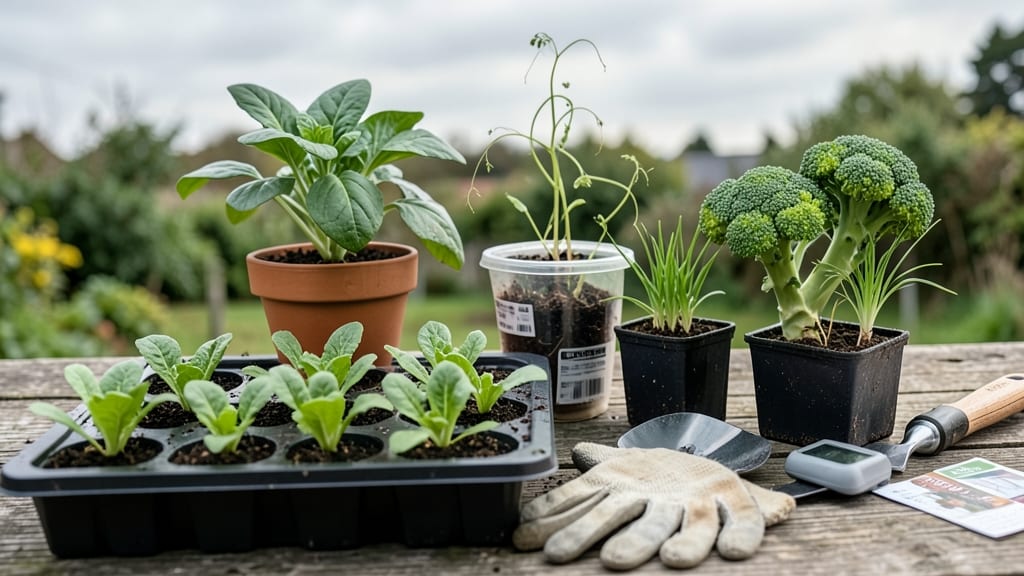
Planting a vegetable garden in Missouri at the wrong time can mean the difference between a bountiful harvest and a sad pile of wilted greens.
With the right timing—especially knowing when to plant cool-season crops like lettuce or warm-season favorites like tomatoes—you'll avoid frost damage and heat stress while maximizing your garden's potential.
Missouri's 5b-7a zones give you two prime windows: late winter to early spring (March-April) and early summer (June-July). But getting the timing right isn't just about months—it's about soil temperatures, frost dates, and even your local microclimate.
Whether you're a first-time gardener or a seasoned pro, these deadlines will help you plan like a local.
I've tested these strategies across Missouri's regions, from St. Louis to Springfield, and the results speak for themselves: better yields, healthier plants, and fewer wasted seeds.
Let's break down exactly when to plant each type of vegetable so you can start strong and finish with a harvest to be proud of.
From extending your growing season in fall to adjusting for Missouri's unpredictable weather, you'll learn how to work with nature—not against it. Ready to turn your garden dreams into reality? Let's get started.
Missouri spring planting deadlines by vegetable type and hardiness zones
Missouri’s USDA hardiness zones 5b-7a create unique challenges for spring planting—cool nights, sudden heat waves, and variable frost dates demand precision.
The key is aligning your planting schedule with soil temperatures (at least 40°F for cool crops and 60°F+ for warm crops) and last frost dates, which range from March 10 in Springfield to March 20 in Kansas City.
Start by checking your local frost-free window, which typically spans 150-210 days across the state.
For cool-season vegetables like lettuce, spinach, and peas, aim to plant 4-6 weeks before your last frost date. These hardy crops thrive in 50-65°F soil and can even tolerate light frosts.
In contrast, warm-season crops such as tomatoes, peppers, and cucumbers need to wait until 2-3 weeks after the last frost, when soil temperatures consistently reach 65°F+. This timing ensures strong root development and avoids transplant shock.
Missouri’s microclimates can shift planting windows by 1-2 weeks. Urban areas often experience heat islands, warming soil faster than rural zones, while valleys may linger cooler.
Adjust your schedule by observing local conditions—if your neighbor’s tomato plants are already flowering by mid-April, your zone might be warming up earlier than average.
Here’s a quick reference for spring planting deadlines based on Missouri’s most popular vegetables, tailored to the state’s 5b-7a zones:
| Plant Type | Zone 5b (Springfield) | Zone 6a (Columbia) | Zone 7a (St. Louis) | Notes |
|---|---|---|---|---|
| Cool-Season Crops (Lettuce, Spinach, Peas) | March 1–15 | March 10–25 | March 15–30 | Direct sow or start indoors 4 weeks before last frost. |
| Broccoli, Cabbage, Kale | March 15–April 1 | March 20–April 5 | March 25–April 10 | Transplant seedlings after soil warms to 50°F. |
| Warm-Season Crops (Tomatoes, Peppers, Cucumbers) | April 15–May 1 | April 10–April 25 | April 1–April 15 | Start indoors 6–8 weeks before transplanting. |
| Corn, Beans, Squash | April 20–May 10 | April 15–April 30 | April 10–April 20 | Wait for soil to reach 65°F+ for best germination. |
Missouri’s clay-heavy soils can
Missouri spring planting deadlines by vegetable type and hardiness zones
Missouri’s spring planting window is your golden opportunity to grow a thriving vegetable garden, but timing varies dramatically across the state’s USDA zones 5b-7a. In northern Missouri (zone 5b), where frost lingers until mid-April, you’ll need to start cool-season crops indoors by February.
Meanwhile, southern Missouri (zone 7a) can safely plant warm-season crops like tomatoes and peppers as early as mid-March, thanks to milder winters.
For most Missouri gardeners, the last average frost date falls around March 15, but this shifts 1-2 weeks earlier in southern regions and 1-2 weeks later in northern areas.
This variability means your planting deadlines should account for both frost risk and soil temperature, which should ideally reach 50°F (10°C) for cool-season crops and 60°F (15°C) for warm-season varieties.
| Plant Type | Zone-Specific Planting Window | Soil Temp Requirement | Notes |
|---|---|---|---|
| Cool-Season Crops (lettuce, spinach, peas, broccoli) | Zone 5b: March 1-15 Zone 7a: February 15-March 1 |
40-50°F (4-10°C) | Plant 4-6 weeks before last frost; use row covers for early starts. |
| Warm-Season Crops (tomatoes, peppers, cucumbers, beans) | Zone 5b: April 15-May 1 Zone 7a: March 15-April 15 |
60-70°F (15-21°C) | Wait until soil is warm and frost risk is gone; harden off seedlings. |
| Root Vegetables (carrots, beets, potatoes) | Zone 5b: March 15-April 15 Zone 7a: February 28-April 1 |
45-55°F (7-13°C) | Plant as soon as soil is workable; avoid late planting for long-season varieties. |
| Herbs (basil, cilantro, parsley) | Zone 5b: April 15-May 1 Zone 7a: March 15-April 1 |
50-60°F (10-15°C) | Cilantro bolts in heat; plant in partial shade for summer growth. |
One of the biggest mistakes Missouri gardeners make is planting warm-season crops too early, only to see them wilt from frost or rot in cold soil. For example, tomatoes and peppers planted before April 15 in northern Missouri often struggle to establish roots before the next cold snap.
Instead, start these heat-lovers indoors by February and transplant after the last frost date—typically 2-3 weeks after your region’s average.
If you’re in zone 6a or higher (like St. Louis or Kansas City), you can push your spring planting deadlines slightly earlier.
For instance, green beans and squash can often go into the ground by mid-April in these areas, giving them enough time to mature before summer heat sets in. Meanwhile, gardeners in northern Missouri (zone 5b) should hold off until after May 1 for these crops to avoid frost damage.
Pro tip: Use soil thermometers to check readiness—warm-season crops won’t thrive until soil hits 60°F (15°C), even if air temperatures seem warm.
And if you’re in doubt, opt for slow-growing varieties like ‘Early Girl’ tomatoes or ‘Bush Blue Lake’ beans, which mature faster and are more forgiving of late starts.
Remember, Missouri’s spring weather can be as unpredictable as a toddler’s mood—one day sunny and warm, the next a hard freeze.
Always have row covers or cold frames on hand to protect young plants, and keep an eye on your local frost forecast (check the National Weather Service for updates). With the right timing, you