
Plants
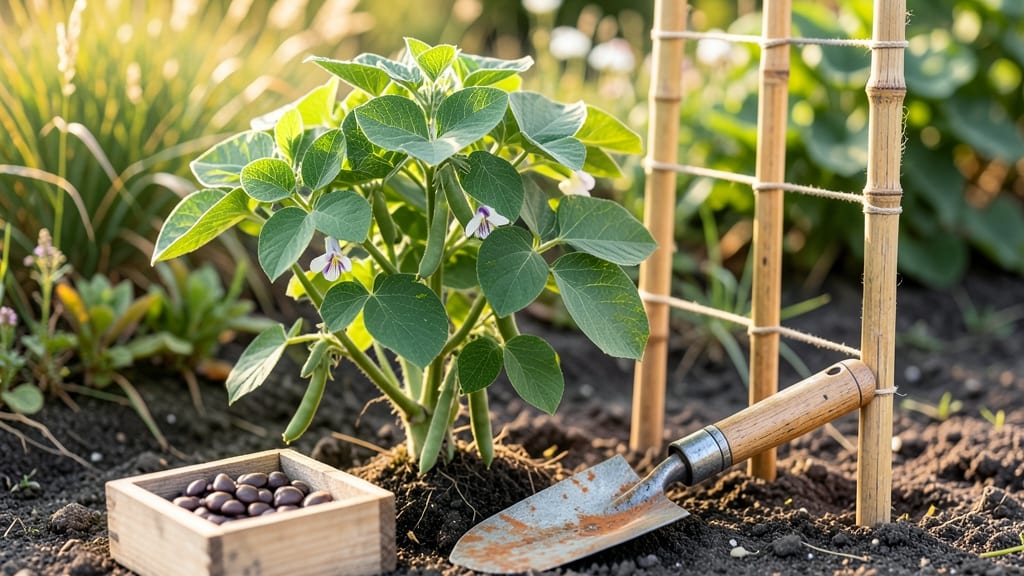
Planting green beans at the wrong time in Oklahoma can mean the difference between a bountiful harvest and a disappointing failure. With 60°F soil temperatures as your guide, you’ll want to time those seeds just right—whether you’re growing bush beans for quick pickings or pole beans for a longer season.
Most Oklahoma gardeners know the March 15–April 30 window is prime for spring planting, but did you know summer varieties thrive when sown between July 15–August 15? The key is avoiding frost-sensitive stages while maximizing your state’s 180–210 frost-free days.
I’ve grown green beans in Oklahoma’s 6b-8a zones for years, and I’ll show you exactly when to plant for the best yields—plus how to adjust for northern vs. southern Oklahoma’s microclimates. No more guessing whether your beans will bolt or wither!
Ready to unlock a garden full of fresh, homegrown beans? Let’s dive into the perfect planting schedule tailored to your Oklahoma location.
Oklahoma green bean planting schedule by frost dates and variety
Oklahoma’s last frost dates (typically March 15–April 15) and first frost (around November 15) create a 180–210-day growing window for green beans. But timing isn’t one-size-fits-all—bush beans, pole beans, and heat-tolerant varieties each thrive with slightly different schedules.
Let’s break it down by type and region.
For northern Oklahoma (USDA Zone 6b), where springs are cooler, aim to plant bush beans as soon as soil warms to 60°F+ (usually late April).
In southern Oklahoma (Zone 8a), you can start 2–3 weeks earlier (mid-March) for faster harvests. Pole beans, which need more time to mature, should go in 1–2 weeks after bush beans.
Here’s the golden rule: Wait until soil temperatures hit 60°F—cold soil slows germination and invites rot.
Use a soil thermometer to check, especially in early spring when mornings can still be chilly. Heat-tolerant varieties like ‘Blue Lake’ or ‘Contender’ can handle Oklahoma’s summer heat (90°F+), making them ideal for July–August plantings.
🌱 Oklahoma Green Bean Planting Schedule
| Variety Type | Best Planting Window | Soil Temp Requirement | Days to Maturity | Harvest Window |
|---|---|---|---|---|
| Bush Beans (e.g., ‘Blue Lake’) | Late April–Mid-May | 60°F+ | 50–55 days | June–July |
| Pole Beans (e.g., ‘Kentucky Wonder’) | Early May–Late May | 60°F+ | 60–70 days | July–August |
| Heat-Tolerant (e.g., ‘Contender’) | July 15–August 15 | 65°F+ | 45–50 days | September–October |
| Succession Planting (All Types) | Every 2 weeks until July 1 | 60°F+ | Varies | June–October |
*Note: Adjust dates 1–2 weeks earlier for southern Oklahoma (Zone 8a) and later for northern Oklahoma (Zone 6b).
For a continuous harvest, try succession planting: Sow seeds every 2 weeks until July 1.
This ensures you’re always picking fresh pods while avoiding overcrowding, which stresses plants. Pole beans, with their longer vines (4–6 ft), need trellises or stakes—install these before planting to avoid damaging roots later.
If you’re in central Oklahoma and want to beat the heat, opt for shade-tolerant varieties like ‘Rattlesnake’ (a pole bean) and plant them near tall sunflowers or corn for natural shade. Mulch heavily with straw or grass clippings to retain moisture—Oklahoma’s summer droughts can wilt beans fast if soil dries out.
Pro tip: Use black plastic mulch in early spring to warm soil faster and suppress weeds. Remove it once beans emerge to avoid overheating. Direct sowing is best for green beans—they hate transplant shock, so skip nursery starts unless you’re in a short-season area (like northern Oklahoma).
Watch for bean beetles and aphids, which love Oklahoma’s warm, humid summers. Neem oil or row covers can help, but healthy plants (with proper spacing and nutrients) resist pests better. Companion plants like marigolds or basil also deter pests naturally.
How to extend your green bean harvest in Oklahoma’s heat
Oklahoma’s summers can be brutal for green beans, but with the right strategies, you can keep your harvest going strong from June through October. Heat-tolerant varieties, shade solutions, and smart watering are your best tools to beat the 90°F+ temperatures that often hit during peak growing months.
One of my favorite tricks is succession planting—staggering your plantings every 2-3 weeks in late spring and early summer. This ensures a steady supply of fresh beans instead of one overwhelming harvest.
For example, plant your first batch in late April and follow up with another in mid-May and early June.
Heat-resistant varieties like 'Contender' or 'Blue Lake' thrive in Oklahoma’s climate. These beans handle high temperatures better than traditional types, reducing the risk of blossom drop or stunted growth. Always check the seed packet for heat tolerance ratings before buying.
Don’t underestimate the power of shade cloth. A 30-50% shade cover during the hottest part of the day can make a world of difference. I’ve seen plants under shade cloth produce 20-30% more beans than those in full sun.
Plus, it protects your beans from sunburn, which can turn leaves yellow and crispy.
Mulching is another game-changer. A thick layer of straw or wood chips keeps soil temperatures down and locks in moisture. I recommend applying 3-4 inches of mulch around your plants once they’re established. This also helps suppress weeds, reducing competition for water and nutrients.
Finally, never skip the morning watering. Watering in the early hours gives roots time to absorb moisture before the heat of the day. Aim for 1 inch of water per week, but increase to 1.5 inches during heatwaves.
A drip irrigation system works best—it delivers water directly to the roots without wetting the leaves, which can lead to fungal issues.
With these strategies, you can enjoy a longer harvest season and healthier green beans all summer long. 🌿