
Planting
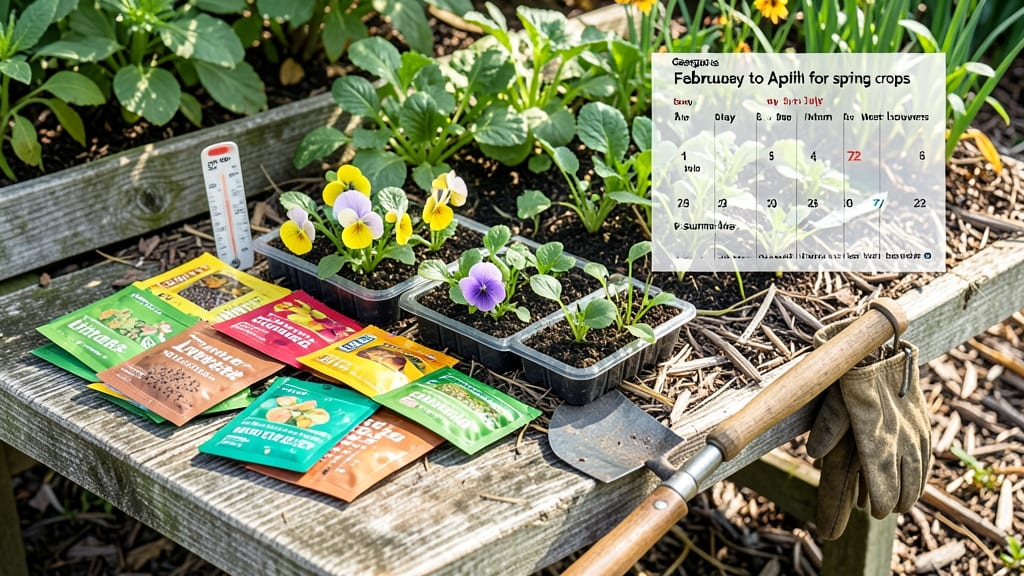
Planting your garden at the wrong time in Georgia can mean the difference between a thriving harvest and a disappointing failure. With 200-240 frost-free days in zones 7b-8b, timing is everything for your 🌱 General Garden Vegetables to flourish.
Most gardeners in Georgia make one of two mistakes: planting cool-season crops too late or warm-season crops too early. I’ve learned the hard way that soil temperature and frost dates matter more than just calendar months.
Whether you’re sowing seeds in mid-February or transplanting in August, knowing the exact window for your zone can save you from wasted effort.
In this guide, I’ll break down the best planting times for spring and fall, including how to adjust for microclimates like Piedmont hills or Coastal Plain flats. You’ll discover when to start seeds indoors, when to harden off seedlings, and how to avoid common pitfalls like bolting or frost damage.
Ready to maximize your garden’s potential? Let’s dive into the science—and the secrets—behind Georgia’s perfect planting schedule so you can grow stronger, healthier crops all season long.
Georgia’s frost-free dates by heat zone: the best time to plant
Georgia’s diverse climate—spanning USDA zones 7a to 8b—means planting times vary dramatically from the Coastal Plain to the Blue Ridge Mountains.
The average last frost date ranges from mid-February in South Georgia to late March in the North Georgia mountains, creating a 100-day window for planting cool-season crops.
Warm-season plants, like tomatoes and peppers, thrive when soil temperatures hit 60°F or higher, typically by mid-April in the south and early May in the mountains.
Understanding your local frost dates is critical. For example, Athens (zone 8a) has an average last frost of March 15, while Savannah (zone 8b) sees frost-free conditions by February 15. These dates dictate when to sow seeds or transplant seedlings for optimal growth and harvest timing.
Miss the window, and you risk frost damage or bolting in heat-sensitive crops like lettuce or broccoli.
Here’s how to use frost dates to plan your garden:
| Zone & Location | Avg. Last Frost | Cool-Season Planting Window | Warm-Season Planting Window |
|---|---|---|---|
| Zone 7a (Blue Ridge Mountains: Dahlonega, Blairsville) | Late March | March 15–April 15 | May 1–June 1 |
| Zone 7b (Piedmont: Atlanta, Gainesville) | Mid-March | March 1–April 10 | April 15–May 15 |
| Zone 8a (Central GA: Macon, Columbus) | March 15 | February 28–April 5 | April 1–May 10 |
| Zone 8b (Coastal Plain: Savannah, Brunswick) | February 15 | February 1–March 31 | March 15–April 30 |
🌱 Pro Tip: Use a frost calendar from your local Cooperative Extension office for year-specific dates.
For cool-season crops like broccoli, cabbage, and spinach, plant 4–6 weeks before the last frost to ensure they mature before summer heat sets in. In North Georgia (zone 7a), this means starting seeds indoors by February 1 or sowing directly in early March.
In South Georgia (zone 8b), you can plant directly outdoors as early as January 15 for a head start.
Warm-season crops, including tomatoes, peppers, and cucumbers, need warm soil and air temperatures. Wait until the soil temperature reaches 60°F, typically 2–4 weeks after the last frost.
In Atlanta (zone 7b), this is usually mid-April, while in Savannah (zone 8b), you can plant by late March. Use a soil thermometer to confirm—cold soil can stunt seed germination.
Fall planting offers a second chance for Georgia gardeners. Cool-season crops like kale, carrots, and radishes thrive when planted 8–10 weeks before the first frost, which typically arrives in mid-November in the north and early November in the south.
Aim for mid-August to early September plantings to harvest before winter sets in. This strategy maximizes your garden’s productivity and extends your harvest season.
Don’t overlook succession planting, a technique where you sow new seeds every 2–3 weeks to ensure a continuous harvest. For example, bush beans and lettuce can be planted in three successive batches in spring and fall.
This method works especially well in Georgia’s long growing season, allowing you to enjoy fresh produce from March through November.
If you’re unsure about your exact frost dates, check the Georgia Climate Toolkit or contact your local Extension office for hyper-local advice. They provide 10-year averages and can help you adjust for microclimates, like urban heat islands or sheltered valleys.
With the right timing, your Georgia garden can be productive year-round, even in the same space.
Remember, soil temperature matters more than air temperature. A soil thermometer is your best friend—most seeds need soil temps between 50°F and 85°F to germinate properly. For example, peas and lettuce germinate best at 50–60°F, while squash and beans prefer 70–85°F.
Planting too early when soil is cold can leave seeds sitting dormant in the ground for weeks.
Start planning now! Mark your last frost date on your calendar and work backward to schedule your plantings. Whether you’re a beginner gardener or a seasoned pro, mastering Georgia’s planting window will boost your yields and reduce frustration. Happy gardening! 🌱
How to adjust planting times for Georgia’s microclimates and soil conditions
Georgia’s diverse geography means your planting window can vary dramatically even within a few miles. Urban heat islands, mountain elevations, and soil types all influence when you should start seeds or transplant seedlings. Understanding these factors helps you extend your growing season and avoid common pitfalls like frost damage or poor germination. For example, gardens in Atlanta’s Piedmont region (USDA Zone 7b) may have earlier frost dates than coastal Savannah (Zone 8a). Meanwhile, clay-heavy soils in rural areas drain poorly, while sandy soils in coastal zones dry out faster. Adjusting your schedule based on these conditions ensures your plants thrive year-round.🌱 Pro Tip: Use a Soil Thermometer
Most cool-season crops like lettuce and peas need soil temps of 40–50°F, while warm-season crops (tomatoes, peppers) require 60°F+. Test your soil’s temperature at 6-inch depth before planting. Morning readings are most accurate.
Urban Tip: Sidewalks and buildings trap heat, creating microclimates 5–10°F warmer than rural areas. Plant heat-sensitive crops like cucumbers in shaded spots or use row covers to delay bolting.
- 📍 Urban Areas: Plant heat-tolerant varieties (e.g., okra, sweet potatoes) in June–July to avoid bolting.
- 🏔️ Mountains: Start cool-season crops indoors by January for outdoor transplanting by March.
- 🏖️ Coastal Zones: Extend fall plantings until mid-October with row covers.
- 🌿 Clay Soil: Mix in compost and gypsum to improve drainage before planting.