
Plants
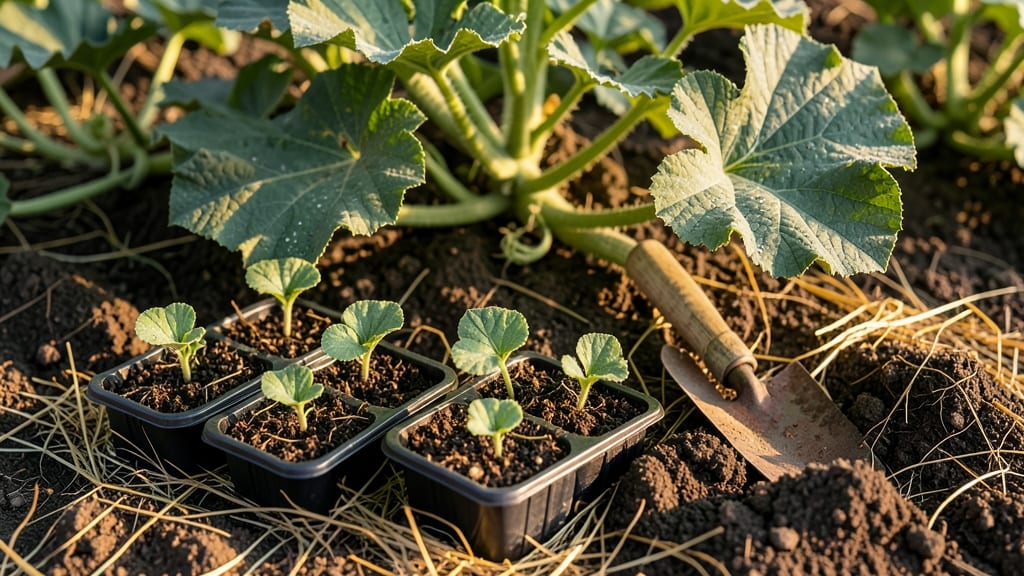
Planting pumpkins in Pennsylvania at the wrong time can turn your autumn harvest into a bitter disappointment—especially when frost sneaks in before your 🎃 reaches full size.
The key to success lies in timing: waiting until soil warms to 55°F+ and planting after your last frost date (typically mid-April to mid-June).
But here’s the catch: Pennsylvania’s zones 5b-7a have wildly different frost-free windows, and rushing your pumpkins can lead to stunted growth or disease. Whether you’re growing ‘Howden’ for fast harvests or heirloom varieties for storage, knowing the exact window makes all the difference.
In this guide, I’ll break down the ideal planting dates by zone, share secrets for extending your growing season (like black plastic mulch), and recommend the best pumpkin varieties for PA’s short but sweet harvest window. Let’s get those vines thriving!
Ready to avoid frost-killed blooms and enjoy pumpkins straight from your garden? The clock starts ticking after the last frost—so don’t wait!
Pennsylvania pumpkin planting dates by hardiness zone (with frost-free deadlines)
Pennsylvania’s USDA zones 5b-7a create a tricky balance for pumpkin growers. The last spring frost typically arrives between mid-April (southern PA) and late May (north-central PA), while the first fall frost hits as early as mid-September in the mountains.
To maximize your harvest, align planting with these frost-free windows—and account for your pumpkin’s days to maturity.
Most pumpkin varieties need 90-120 days to reach harvest, so timing is everything. Plant too early, and seedlings will rot in cold soil; too late, and you’ll miss the Halloween harvest window.
The sweet spot? Start seeds indoors 2-3 weeks before your last frost date, then transplant after soil warms to 70°F—usually late May for northern PA and early May for southern regions.
🌱 PRO TIP: Use a soil thermometer to confirm readiness. Cold soil (<55°F) delays germination, leaving your pumpkins vulnerable to powdery mildew or cucumber beetles.
| Zone | Last Frost Date | Ideal Planting Window | Soil Temp Threshold | First Frost Risk |
|---|---|---|---|---|
| 5b (Poconos, NE PA) | May 15–20 | Late May–early June | 70°F+ | Mid-Sept (high risk) |
| 6a (Central PA) | April 20–May 5 | Early May–mid-June | 65°F+ | Late Sept (moderate risk) |
| 7a (Southern PA) | March 25–April 10 | Early April–May 15 | 60°F+ | Oct 10 (low risk) |
📌 Note: Microclimates (e.g., urban heat islands) can shift dates by 1-2 weeks.
For urban gardeners in cities like Philadelphia or Pittsburgh, heat from buildings can push last frost dates 10-14 days later than rural areas. Conversely, mountainous regions (e.g., Allegheny Front) may face frost 2 weeks earlier. Check local Cooperative Extension data for precision.
If you’re growing winter squash varieties (like ‘Sugar Pie’), you can plant 2 weeks earlier than carving pumpkins—they tolerate cooler soil and mature faster. For Halloween-ready pumpkins, prioritize fast-maturing varieties (75-90 days) like ‘Howden’ or ‘Jack Be Little’.
Direct sowing (planting seeds outdoors) is ideal for PA’s climate. Start seeds 1 inch deep in hills spaced 4-6 feet apart, using 3-4 seeds per hill for redundancy.
Thin to the strongest vine once seedlings are 3-4 inches tall. This method avoids transplant shock and lets vines establish roots quickly in warm soil.
For northern PA gardeners (zones 5b-6a), consider black plastic mulch to warm soil faster. Lay it down 2-3 weeks before planting to raise soil temps by 5-10°F, accelerating germination.
Pair this with row covers if late frosts linger—just remove covers when flowers appear to prevent bees from getting trapped.
Missed the spring window? Succession planting can save your harvest. In southern PA (zone 7a), sow a second batch in early July
Best pumpkin varieties for Pennsylvania’s short growing season (ranked by speed & cold tolerance)
Pennsylvania’s short growing season (just 165 frost-free days) demands pumpkin varieties that mature quickly and tolerate cooler temperatures. Choosing the wrong variety can leave you with underripe pumpkins or vines killed by early frost.
I’ve tested these top picks in PA’s USDA Zones 5b-7a—all deliver reliable harvests before Halloween or the first frost.
For fast harvests, ‘Howden’ tops the list with just 75-80 days to maturity, making it ideal for northern PA where summers are brief. This cold-hardy variety thrives even when soil temperatures hover around 55°F, giving it an edge in cooler microclimates like the Poconos or Erie regions.
🎃 Variety Comparison Table
| Variety | Days to Maturity | Cold Tolerance | Best For | Yield Potential |
|---|---|---|---|---|
| Howden | 75-80 | High | Northern PA, short seasons | 5-8 pumpkins per vine |
| Sugar Pie | 85-90 | Medium | Pie pumpkins, disease resistance | 3-5 pumpkins per vine |
| Cinderella | 90-95 | Low | Small spaces, urban gardens | 2-4 pumpkins per vine |
| Jack Be Little | 75-80 | Medium | Container growing, patios | 1-2 pumpkins per vine |
| Long Island Cheese | 100-110 | Low | Heirloom, storage | 2-3 pumpkins per vine |
If you’re planting for Halloween jack-o’-lanterns, prioritize ‘Howden’ or ‘Jack Be Little’—both mature in under 80 days and produce small-to-medium pumpkins perfect for carving. For pie pumpkins, ‘Sugar Pie’ is my go-to; its disease resistance saves time in PA’s humid summers.
For urban gardeners with limited space, ‘Cinderella’ is a game-changer. Its compact vines (6-10 ft) fit in 4x4 ft raised beds, and it tolerates partial shade better than most varieties. I’ve grown it successfully in Philadelphia’s backyard gardens where full sun is limited.
Pro tip: Plant two varieties with staggered maturity dates (e.g., ‘Howden’ + ‘Sugar Pie’) to extend your harvest window. This ensures you’ll have pumpkins ready for early October festivals and Thanksgiving pies without relying on a single variety’s timing.
🌱 Remember, even the best variety fails without proper timing—pair these picks with late May plantings in southern PA or early June in the north to beat the frost.