
Companion Plants
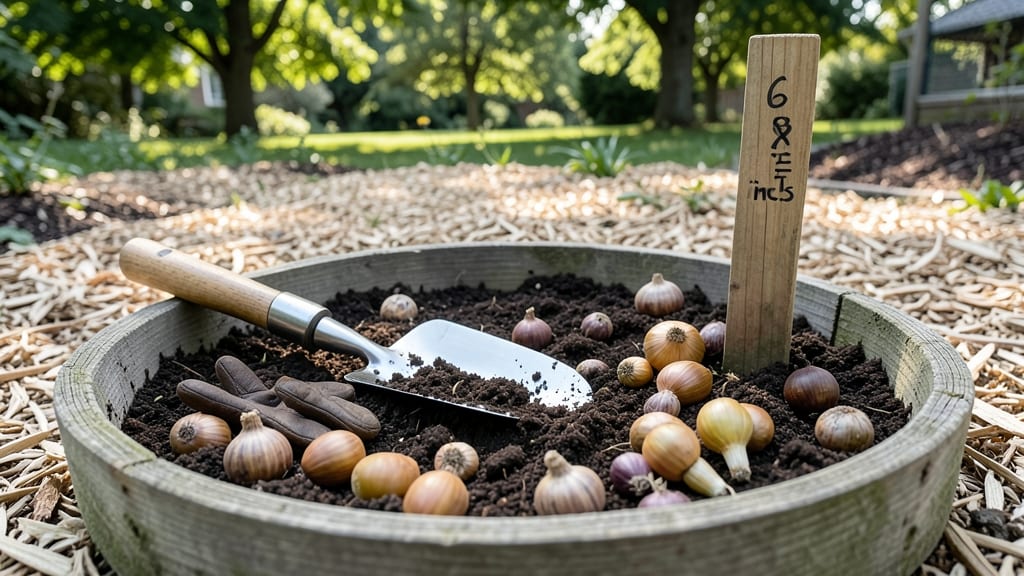
Planting your Spring Flowering Bulbs (General) 🌷 at the right time in fall could mean the difference between a burst of color next spring and a missed opportunity.
The key isn't just about the calendar—it's about giving those bulbs 6-8 weeks of cool soil to establish strong roots before winter sets in.
Most gardeners in USDA Zone 6a (like me!) have a narrow window—typically mid-September to early November—to get bulbs in the ground. Plant too early, and they might sprout before winter; too late, and they won’t have time to root.
I’ll show you exactly how to time it perfectly for your climate, plus the best bulbs to plant now for that showstopping spring display.
Don’t worry if you’ve never planted bulbs before—I’ll walk you through soil prep, planting depth, and even how to care for them over winter. With these simple steps, you’ll be well on your way to a garden that wakes up next year with bold blooms and happy roots.
Ready to turn your fall garden into next spring’s star? Let’s get those bulbs in the ground the right way—so you can enjoy the results without the guesswork.
How to determine your fall bulb planting timeline based on climate zones
Timing your fall bulb planting is all about the 6-8 week rule before ground freeze. This window gives bulbs enough time to establish strong root systems before winter dormancy.
In USDA Zone 6a (like much of the Midwest), that means planting between mid-September and early November. But your exact dates depend on your local frost patterns.
Check your average first frost date—this is your deadline. For example, in Zone 7b, you might plant until late November, while in Zone 4a, you’ll need to finish by mid-October. Use tools like the Old Farmer’s Almanac or your local Cooperative Extension Service for precise data.
Don’t rely solely on the calendar. The soil temperature matters too—bulbs need cooler soil (below 60°F) to trigger root growth. In warm climates like Zone 9a, plant in December or January to avoid heat stress.
Regional quirks matter! In the Pacific Northwest, milder winters may extend your window, while Midwest gardeners face earlier freezes. Adjust for your microclimate—low-lying areas freeze faster than slopes.
Here’s a quick reference for common zones. Use this as your guide, but always verify with local data:
| USDA Zone | Planting Window | Key Notes |
|---|---|---|
| Zones 3-4 | Mid-September to mid-October | Early freeze—prioritize cold-hardy bulbs like crocuses. |
| Zones 5-6 | Late September to early November | Ideal for tulips and daffodils—most popular varieties. |
| Zones 7-8 | October to December | Warmer soil—plant deeper and water less. |
| Zones 9-10 | November to January | Avoid summer heat—plant in cool months. |
Pro tip: If your soil stays warm late into fall, wait until nighttime temperatures consistently drop below 60°F. A simple soil thermometer (just $10) saves guesswork.
Warning: Planting too early? Roots may overgrow and rot before winter. Too late? Bulbs won’t establish roots and freeze solid. Aim for that 6-8 week sweet spot—it’s your ticket to vibrant spring blooms.
Need a backup? Some bulbs (like crocuses) tolerate late planting, but tulips and hyacinths are finicky. When in doubt, err on the earlier side—roots can always wait for warm-up.
Once you’ve nailed the timing, the next step is choosing the right bulbs. Daffodils and alliums are forgiving, while tulips need precise care. We’ll cover that in the next section—plus how to prep them for winter success!
Best fall-blooming bulbs to plant now for spring color (and how to prep them)
Fall is the perfect time to plant bulbs that will reward you with vibrant spring blooms. The key is choosing the right varieties and preparing them properly for winter dormancy.
My top picks for fall planting include tulips, daffodils, crocuses, hyacinths, and alliums, each offering unique colors and heights to elevate your garden.
Before you dig, ensure your soil is well-draining and amended with compost. Bulbs rot quickly in soggy soil, so avoid heavy clay without amending it first. A 2-3 inch layer of mulch after planting helps insulate roots during cold snaps while keeping them from freezing too deeply.
Spring vs. Fall Blooming Bulbs
| Type | Pros | Cons |
|---|---|---|
| Spring Bloomers (Tulips, Daffodils) | Bright early-season color, deer-resistant | Some varieties need staking |
| Fall Bloomers (Crocuses, Snowdrops) | Bloom before snow melts, low-maintenance | Smaller flowers, shorter season |
| Hyacinths & Alliums | Fragrant blooms, long stems for cutting | Require more space between bulbs |
🌱 Pro Tip: For unique color, try grape hyacinths or fritillaria—they thrive in fall planting and add unexpected textures.
When planting, follow these depth and spacing rules: most bulbs need 2-3 times their height in soil (e.g., a 2-inch bulb goes 4-6 inches deep). Space smaller bulbs like crocuses 3-4 inches apart, while larger ones like tulips can go 6-8 inches apart.
This prevents overcrowding and ensures strong stems.
Don’t overlook lesser-known varieties like muscari (grape hyacinths) or galanthus (snowdrops). These bulbs naturalize beautifully, returning year after year with minimal care. Plant them in groups of 5-7 for a dramatic drift effect in your garden.
After planting, give bulbs a deep watering to settle the soil around roots. Avoid fertilizing now—wait until early spring when foliage emerges. Over-fertilizing in fall can encourage weak root growth before dormancy sets in.
With the right bulbs and prep, your garden will burst with color next spring—all thanks to a little fall planning. The key is patience and precision: plant at the right time, in the right soil, and let winter work its magic.