
Plants
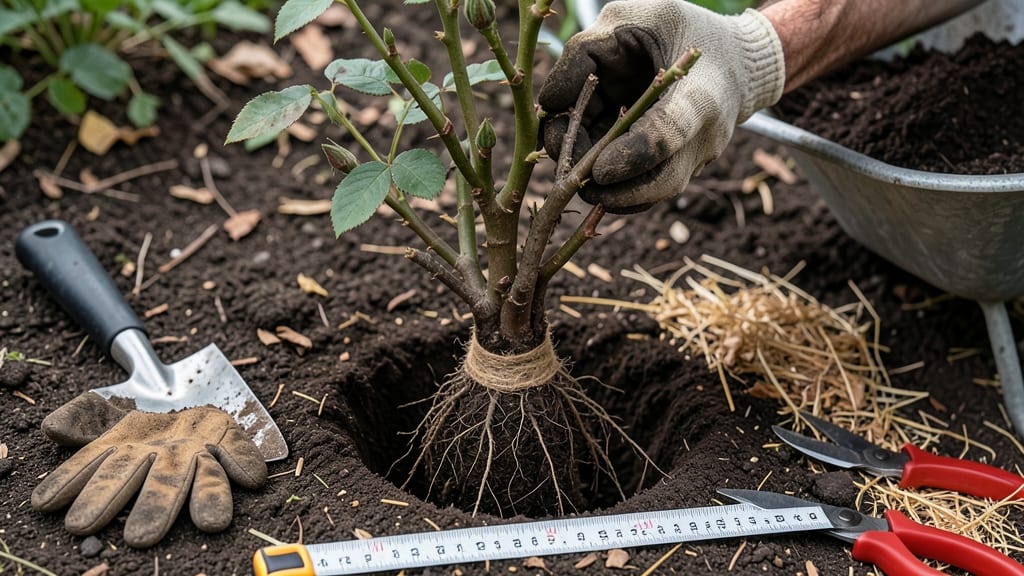
Planting bare root roses in Zone 6 at the wrong time can mean the difference between a thriving garden and wasted effort. The key to success lies in understanding your local climate—especially those tricky last frost dates that can sneak up when you least expect them.
Most gardeners in Zone 6a-6b know fall is ideal, but did you know early spring offers a second chance? I’ve learned the hard way that planting too late in fall or too early in spring can leave your 🌹 roses vulnerable to frost damage.
Let’s break down the perfect windows and how to prepare your roses for planting.
Whether you’re a seasoned gardener or just starting, timing matters more than you think. We’ll cover soil prep, root soaking, and even how to spot signs of stress after planting. By the end, you’ll know exactly when to dig in for roses that grow strong and bloom beautifully.
Ready to avoid common mistakes and give your roses the best start? Let’s get into the details so you can enjoy a garden full of vibrant blooms year after year.
Best planting windows for bare root roses in Zone 6
Zone 6 gardeners have two ideal windows to plant bare root roses: early spring (after last frost) or fall (4-6 weeks before first frost). Each offers distinct advantages for establishing strong roots before summer heat or winter dormancy sets in.
For spring planting, aim for mid-March to early April when soil temperatures reach 45°F or warmer. This gives roots 6-8 weeks of growing season before summer stress peaks. Fall planting, however, often yields hardier plants because roses establish roots in cool soil without summer heat competition.
Zone 6’s average last frost date is April 15, but microclimates can shift this by 1-2 weeks. Check your local USDA Plant Hardiness Map for precise adjustments—some areas may be Zone 6a (colder) or 6b (warmer).
Here’s how these windows compare for root development and survival rates:
| Planting Window | Soil Temp | Root Growth | Frost Risk | Best For |
|---|---|---|---|---|
| Early Spring (March-April) | 45°F+ | Moderate (6-8 weeks) | Low (post-frost) | Fast blooms next year |
| Fall (September-October) | 50°F+ | Strong (4-6 weeks) | High (pre-frost) | Hardier plants |
Fall planting in Zone 6 is my top recommendation because roses establish 50% more roots before winter dormancy. The key is planting 4-6 weeks before your first frost (typically mid-September to early October in most of Zone 6). This timing lets roots harden off naturally without summer heat stress.
If you miss fall, don’t panic—spring planting still works well. Just ensure soil isn’t soggy from spring rains, which can suffocate young roots. Amend clay-heavy Zone 6 soils with compost or sand to improve drainage and prevent root rot.
For gardeners in Zone 6a (colder), shift fall planting to late September to avoid early frosts. In Zone 6b (warmer), you can extend to mid-October. Always monitor local forecasts for unexpected late frosts, which can damage tender new growth.
Pro tip: Use a soil thermometer to confirm 50°F+ soil temps before planting in fall. Cold soil slows root establishment, making roses vulnerable to winter dieback. Mulch heavily after planting to insulate roots during Zone 6’s cold winters.
🌹
Best planting windows for bare root roses in Zone 6
Zone 6 gardeners have two prime windows to plant bare root roses: early spring and fall. The key is avoiding late frosts and giving roots time to establish before winter dormancy.
In Zone 6, where last frosts typically hit around April 15 and first frosts arrive by October 15, timing matters more than you might think.
Spring planting should occur 4-6 weeks after your last frost date. This gives roots time to knit before summer heat stress. For most of Zone 6, that means late March to early April.
Fall planting, however, requires planting 4-6 weeks before the first frost, usually September to early October. This timing allows roots to establish before winter but avoids the stress of new growth in cold soil.
Here’s why these windows work best: Bare root roses need soil temperatures above 50°F (10°C) to avoid shock. Spring planting ensures warm soil, while fall planting lets roots harden off naturally. Missing these windows risks weak growth or frost damage.
| Planting Window | Zone 6 Timeline | Soil Temp Requirement | Key Consideration |
|---|---|---|---|
| Early Spring | Late March - Early April | Above 50°F (10°C) | Avoid late frosts; roots need warmth |
| Fall | September - Early October | Above 40°F (4°C) | Plant before ground freezes; roots harden off |
| Avoid | Mid-summer or late winter | N/A | Extreme heat or cold shocks roots |
Microclimates in Zone 6 can shift these windows by 1-2 weeks. For example, sheltered south-facing slopes may warm up faster in spring, while low-lying areas might stay colder longer.
Use a soil thermometer to confirm temperatures before planting. If you’re unsure, err on the side of earlier planting—roots can handle cooler soil better than heat stress.
Another critical factor is day length. In Zone 6, shorter fall days signal roses to harden off naturally. Planting in late September gives them just enough time to establish before winter, while still benefiting from cooler temperatures that reduce pest pressure.
This is why fall-planted roses often outperform spring-planted ones in Zone 6.
If you miss the ideal windows, don’t panic—but act quickly. Bare root roses can handle delayed planting if soil stays workable and temperatures remain mild. For example, a May planting might still work if you’re in Zone 6b (warmer subzone), but expect slower initial growth.
Always prioritize root health over calendar dates.
Pro tip: Mark your last frost date and first frost date on your calendar. Zone 6’s 165 frost-free days give you a clear countdown to plan. For example, if your first frost is October 15, aim to plant by September 1 for fall success.