
Plants
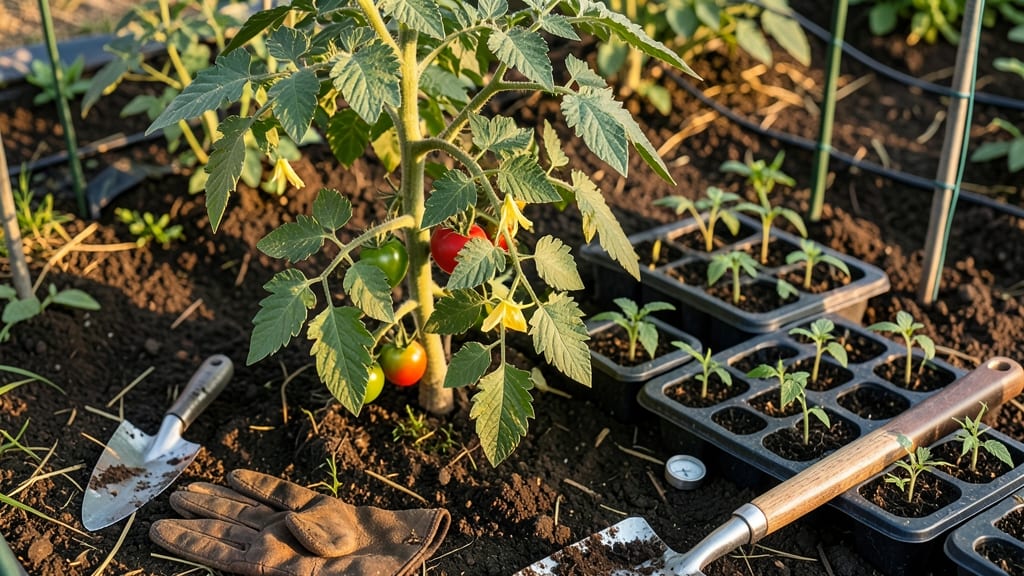
Planting tomatoes in Georgia at the wrong time can turn your garden dreams into a frost-killed nightmare—but getting the timing right means juicy, vine-ripened 🍅 harvests all summer long.
Most gardeners in zones 7b-8a wait too long, missing the 60°F soil temperature sweet spot that signals it's finally safe to plant. That window opens between March 15 and April 15 for transplants, but seeds need to wait until April 15-May 15 to avoid chilly surprises.
I’ll break down exactly how to read your soil’s temperature cues, adjust for North vs. South Georgia microclimates, and even troubleshoot those pesky late frosts that sneak in. No more guesswork—just a foolproof system for zero-frost success.
Ready to turn your tomato patch into the talk of the neighborhood? Let’s get those plants in the ground at the perfect moment—because timing really is everything when you’re dealing with 6-foot-tall vines and 90-day harvests.
Georgia’s optimal tomato planting window by region: soil temperature rules
Georgia’s diverse climate means your tomato planting window varies dramatically between North Georgia’s cooler zones (like Atlanta) and South Georgia’s warmer regions (like Savannah). The key? Soil temperature—tomatoes refuse to thrive below 60°F, and nighttime temps must stay above 50°F to avoid frost damage.
Let’s break down your region’s perfect timing.
For North Georgia (USDA Zones 7b), where frost lingers until mid-April, start transplants after April 15 and direct-sow seeds after May 1. In South Georgia (Zone 8a), you can plant transplants as early as March 15 and seeds by April 1.
But don’t guess—use a soil thermometer to confirm warmth before planting.
🌱 PRO TIP: If you’re eager to start earlier, use black plastic mulch or row covers to warm the soil faster. These tricks can shave off 2-3 weeks of waiting time in cooler areas.
| Region | Last Frost Date | Transplant Window | Direct Seed Window | Soil Temp Check |
|---|---|---|---|---|
| North Georgia (Atlanta, Dahlonega) | Mid-April | April 15–May 1 | May 1–May 15 | 60°F+ (use mulch) |
| Central Georgia (Macon, Columbus) | Late March | March 30–April 15 | April 15–April 30 | 60°F+ (test daily) |
| South Georgia (Savannah, Valdosta) | Early March | March 15–March 31 | April 1–April 15 | 60°F+ (often ready early) |
🌡️ SOIL TEMP TEST: Bury a thermometer 2 inches deep for 3 days to confirm consistency.
Microclimates matter too! If your garden sits in a sunny, sheltered spot (like near a brick wall), you can plant 1-2 weeks earlier than the average. Conversely, low-lying areas or shady spots may need delayed planting. Always scout your yard for these hidden clues before committing to a schedule.
Once soil hits 60°F, act fast—tomatoes grow aggressively in Georgia’s heat. Harden off transplants for 7-10 days before planting to avoid shock. For seeds, expect 60-70 days to first harvest, so time your planting to finish before first frost (usually mid-November in most regions).
💡 EXPERT TRICK: Plant a fast-maturing variety like ‘Early Girl’ (60 days) for an early harvest, then follow with ‘Celebrity’ (75 days) for a late-season bounty. This succession planting strategy extends your harvest window by 2-3 months.
Finally, don’t ignore moisture levels after planting. Georgia’s summer heat can dry soil quickly—aim for 1-2 inches of water per week (more during fruit set). Use drip irrigation or soaker hoses to keep leaves dry and prevent fungal diseases like early blight, which thrives in humid conditions.
With these soil temperature rules and regional adjustments, your Georgia tomato plants will have the perfect start—no more frost surprises or stunted growth. Now, grab your thermometer and let’s get planting! 🌱
Georgia’s optimal tomato planting window by region: soil temperature rules
Georgia’s diverse climate means North Georgia (USDA zones 7b-8a) and South Georgia (zone 8a) have different frost risks and soil warming speeds. For North Georgia, aim for April 1-15 for transplants or April 15-May 1 for seeds, while South Georgia can start 2-3 weeks earlier thanks to milder winters.
The key? Soil temperature must hit 60°F+—cold soil stunts roots and invites disease.
Use a soil thermometer to check depth (2-3 inches). If it’s below 60°F, warm it with black plastic mulch laid 1-2 weeks before planting.
In North Georgia, wait until nighttime lows stay above 50°F—frost can kill young plants in a single night. South Georgia gardeners have more flexibility but should still avoid planting before mid-March to prevent heat stress later.
🌱
| Region | Last Frost Date | Best Planting Window | Soil Temp Rule | Pro Tip |
|---|---|---|---|---|
| North Georgia | March 15 (avg) | April 1-15 (transplants) April 15-May 1 (seeds) |
≥60°F (2-3" depth) | Use row covers for early starts |
| South Georgia | February 28 (avg) | March 15-April 1 (transplants) April 1-15 (seeds) |
≥60°F (2-3" depth) | Plant heat-tolerant varieties |
| Mountain Areas | April 1 (avg) | May 1-15 (transplants only) | ≥65°F (warmer nights needed) | Extend season with cold frames |
Microclimates matter too! Urban areas (like Atlanta) often warm faster than rural spots, while valleys hold cold air longer. Test your soil for 3 consecutive days before planting—if temps dip below 60°F at night, delay.
For container gardening, use black pots to absorb heat and plant 1 week later than in-ground tomatoes.
If you’re starting seeds indoors, begin 6-8 weeks before your target outdoor date.
Use grow lights to avoid leggy seedlings, and harden off plants by exposing them to outdoor temps for 1 week before transplanting. South Georgia gardeners can even try a fall planting (August-September) for late-season varieties like ‘Celebrity’ or ‘Solar Fire’.
Remember: Tomatoes hate cold feet. Even if daytime temps feel warm, soil warmth is what triggers growth.
Use a soil warming trick—bury a black plastic bottle filled with hot water near seedlings to jumpstart root development in chilly patches. Mulch heavily after planting to lock in heat and moisture.
🌿
✂️