
How To
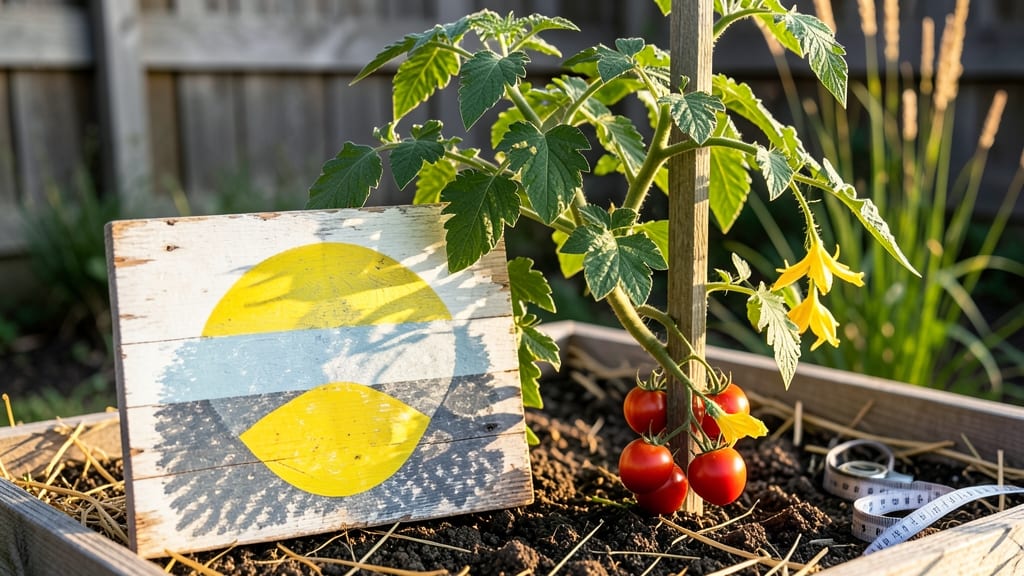
If you're wondering how much light does a tomato plant need, your setup might be the missing link to bigger, juicier fruit—or even any tomatoes at all. Tomatoes aren’t just picky; they’re sun-hungry powerhouses that demand 6 to 8 hours of direct sunlight daily to thrive.
Without enough light, you’re essentially asking your plants to perform a magic trick: grow juicy, flavorful fruit in the shade.
But here’s the catch: not all sunlight is created equal. Morning sun builds energy, while afternoon heat can scorch leaves if your plants aren’t acclimated. And if you’re in a cooler climate like USDA Zone 6a, you’ll need to adjust for shorter days in spring and fall.
The good news? With a few simple tweaks—like choosing the right spot or using reflective surfaces—you can turn your garden into a tomato-growing goldmine.
Let’s break down exactly how much light your 🍅 tomato plants need, how to tell if they’re getting enough (or too much), and the easiest ways to maximize sunlight—whether you’re working with a sunny backyard, a balcony, or even a container on your patio.
Spoiler: It’s not as complicated as you think.
Ready to turn those leggy, underperforming plants into robust producers? I’ll walk you through everything—from positioning tricks to recognizing the subtle signs of light stress—so you can finally harvest the tomatoes you’ve been dreaming of.

Tomato plant sunlight requirements: minimum hours and ideal conditions for growth
Tomatoes are sun-worshippers, and their light requirements directly impact fruit production. Without enough sunlight, you’ll see stunted growth, fewer flowers, and poor-quality tomatoes. Most varieties need 6-8 hours of direct sunlight daily, but some can tolerate slight variations depending on your climate and tomato type.
Indeterminate varieties—like Sungold or Brandywine—thrive with full sun exposure (8+ hours) to produce continuous vines and fruit. Determinate types, such as Roma or Celebrity, can manage with 6-7 hours but still benefit from more light for sweeter, larger tomatoes.
In hot climates (Zones 9-11), afternoon shade helps prevent sunscald or blossom drop, but morning sun is critical. If you’re in cooler regions (Zones 3-6), aim for 8+ hours to compensate for shorter daylight in spring and fall.
🌱
| Variety Type | Minimum Sunlight | Ideal Sunlight | Shade Tolerance | Signs of Low Light |
|---|---|---|---|---|
| Indeterminate | 6 hours | 8+ hours | Poor (leafy, few fruits) | Yellowing leaves, weak stems |
| Determinate | 6 hours | 7-8 hours | Moderate (smaller yields) | Slow growth, few blossoms |
| Cherry Tomatoes | 6 hours | 8+ hours | Low (smaller fruit) | Pale green leaves, sparse clusters |
To measure sunlight accurately, use a sunlight tracker or observe your garden between 10 AM and 4 PM, when the sun is strongest. If shadows from fences, trees, or buildings block light for more than 2 hours daily, relocate your plants or prune obstructions.
Watch for leggy growth (long, weak stems) or pale leaves, which signal insufficient light. Even 4-5 hours of sun may produce tomatoes, but they’ll be smaller, fewer, and less flavorful. In containers, rotate pots weekly to ensure even exposure.
If your garden lacks natural light, consider grow lights (LED or fluorescent) for 12-16 hours daily during cloudy periods. Place lights 6-12 inches above plants and adjust as they grow to maintain optimal photosynthesis.
🌿
In high-altitude gardens (above 3,000 ft), UV intensity increases, so provide afternoon shade cloth (30-50% shade) to prevent stress. Conversely, in tropical climates, use whitewashed fences or reflective mulch to bounce light onto plants.
Pro tip: Plant shade-tolerant companions like basil or lettuce near tomatoes to maximize space without competing for light. Just ensure tomatoes remain the primary focus for sunlight.
☀️
How to maximize sunlight for tomato plants: positioning, pruning, and seasonal tips
Tomatoes are sun-worshippers, and their fruit production depends entirely on optimal light exposure. Even if your garden gets 6-8 hours of sun, small tweaks can transform your harvest.
Start by placing tallest varieties (like indeterminate types) in the southernmost part of your garden, where they won’t shade shorter plants.
Reflective surfaces like white gravel or light-colored mulch can bounce extra light onto leaves, boosting photosynthesis by up to 15% in shaded edges. I’ve seen this trick work wonders in my partial-shade garden, where tomatoes near the fence suddenly thrived after adding reflective panels.
🌱
- Garden Layout
- Pruning for Light
- Seasonal Adjustments
- Container Placement
- Shade Cloth Hack
Pruning isn’t just about removing suckers—it’s a sunlight strategy. I prune my indeterminate tomatoes to keep the top 3-4 fruit clusters exposed to direct light, while removing shaded lower branches. This ensures energy goes to high-quality fruit rather than leafy growth.
For container gardeners, mobility is key. I rotate my 5-gallon tomato pots every 2-3 days to ensure all sides get even sun exposure. A south-facing windowsill works for small varieties, but larger plants need outdoor space by mid-morning.
In northern climates, where days shorten in late summer, extend light with LED grow lights (12 hours/day) to maintain fruit development. Even a basic 600-watt bulb 12 inches above plants can make a difference during short-day seasons.
☀️