
Plants
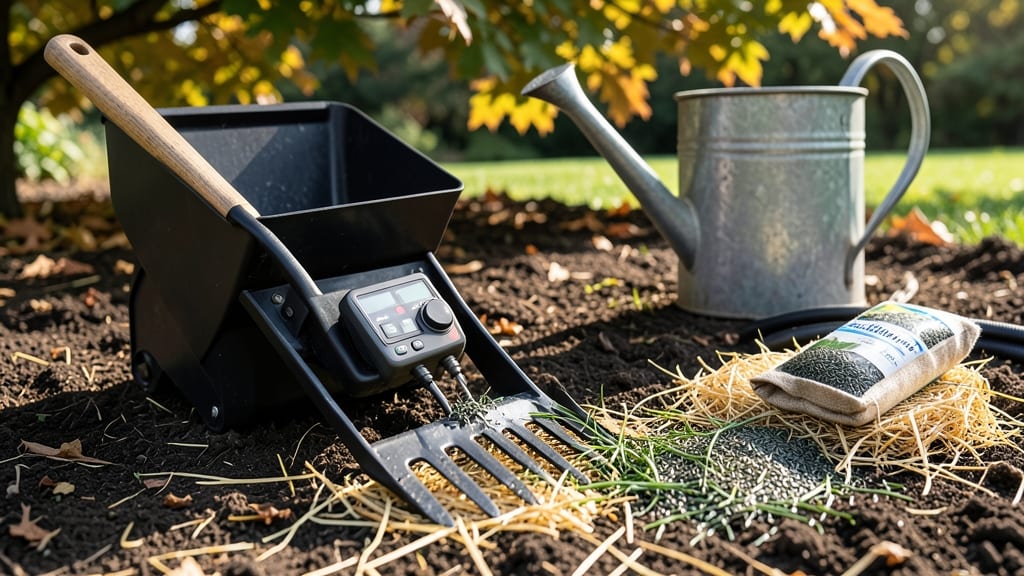
Planting grass seed in Illinois at the wrong time can mean wasted money, uneven growth, or even total failure—so timing is everything for a lush, green lawn.
With USDA zones 5a-6b and frost dates that shift from north to south, getting it right means knowing when your soil is ready, not just when the calendar says spring.
If you've ever stared at a seed packet wondering, "Why didn’t this work?" the answer is likely tied to Illinois' unpredictable weather. Cool-season grasses like Kentucky bluegrass thrive when soil temps hit 50°F, while warm-season types need 65°F+—and those windows don’t align with air temperature alone.
Let’s break down the exact two best times to plant for your region, plus the critical steps to avoid common mistakes.
Most Illinois gardeners swear by early fall (September-October) as the golden window, but spring (April-May) can work too—if you time it right. We’ll cover soil prep, frost-free dates, and why planting 30 days before your first frost gives your grass the best shot at survival.
No more guesswork, just science-backed timing for that perfect 🌱 carpet of green.
Ready to skip the trial-and-error? I’ll walk you through the 5 non-negotiable factors that separate a patchy lawn from a showstopper—including Illinois-specific tips for clay soil and drought-prone areas. Let’s get started.
Optimal Illinois grass seed planting windows by region (soil temp & frost dates)
Timing your grass seed planting in Illinois isn't one-size-fits-all—it depends on whether you're in Northern Illinois (like Chicago) or Southern Illinois (near St. Louis). The key factors are soil temperature and your frost-free window.
Cool-season grasses like Kentucky bluegrass and tall fescue thrive when soil temps stay between 50°F and 65°F, while warm-season grasses like Bermuda need 70°F+. Let's break down the perfect windows for each region.
Northern Illinois (USDA Zones 5a-5b) has a shorter growing season, with first frost often arriving by October 15. Southern Illinois (Zones 6a-6b) enjoys milder winters, extending your planting window.
Both regions benefit from early fall planting, but spring timing varies dramatically. Here's how to align your schedule with Illinois' climate quirks:
🌱
| Region | Best Planting Window | Soil Temperature Range | Frost-Free Date Window | Recommended Grass Types | Key Considerations |
|---|---|---|---|---|---|
| Northern Illinois (Chicago, Rockford) | Early Fall: Sept 15-Oct 15 Spring: April 15-May 15 |
50°F-65°F | Last frost: April 15 First frost: Oct 15 |
Kentucky bluegrass, Tall fescue, Perennial ryegrass | Cool nights in Sept; avoid early spring frost risks |
| Central Illinois (Springfield, Peoria) | Early Fall: Sept 1-Oct 30 Spring: April 1-May 30 |
50°F-65°F | Last frost: April 1 First frost: Oct 30 |
Tall fescue, Fine fescue, Buffalo grass | Longer frost-free window; watch for Sept heat stress |
| Southern Illinois (St. Louis, Carbondale) | Early Fall: Sept 15-Nov 1 Spring: March 15-May 15 |
55°F-65°F | Last frost: March 15 First frost: Nov 1 |
Kentucky bluegrass, Bermuda grass, Zoysia | Warmer soil; can plant later into fall |
For Northern Illinois, aim to plant 6-8 weeks before first frost (typically by October 15). This gives seeds time to establish roots before winter dormancy. In Southern Illinois, you can push planting to early November in mild years, but watch for unexpected cold snaps.
Spring planting works in both regions, but Northern Illinois should wait until after April 15 to avoid frost damage.
Pro tip: Use a soil thermometer to confirm temps—surface air temps can be misleading. Illinois' clay-heavy soils stay cooler longer than sandy areas. If your soil runs below 50°F, wait 1-2 weeks for better germination rates.
Remember, cool-season grasses (like Kentucky bluegrass) dominate Illinois lawns, so align your timing with their ideal 50°F-65°F window.
🌿
One common mistake Illinois gardeners make is planting too early in spring (before April 1). While it might seem like a good idea to get a head start, late frosts can kill new seedlings.
The 30-day rule applies here: Plant no later than 30 days before first frost to ensure roots establish before winter. For Northern Illinois, that means no seeding after October 15, while Southern Illinois can extend to November 1 in most years.
Another regional consideration: Southern Illinois can sometimes plant warm-season grasses like Bermuda in late spring (May-June) when soil temps hit 70°F+. But these grasses struggle in Illinois' winters, so they're better suited for patio areas or southern exposures where they can be removed in fall.
Stick with cool-season grasses for full lawn coverage in most of the state.
☀️
5 Critical factors that determine your Illinois grass planting success
Timing your grass seed planting in Illinois isn’t just about picking a month—it’s about understanding five critical factors that make or break your lawn’s success. From soil temperature to moisture consistency, each plays a role in ensuring your seeds germinate and thrive.
Let’s break down what truly matters for Illinois gardeners.
First, soil temperature is the silent hero of grass planting. In Illinois, air temperatures can feel spring-like, but the soil often lags behind. Your grass seeds need soil that’s at least 50°F for cool-season varieties (like Kentucky bluegrass) and 60-65°F for warm-season types (like Bermuda grass).
Skipping this check can leave your seeds dormant or even rot.
Soil Temperature > Air Temperature
Illinois’ clay-heavy soils warm 3-5 days slower than air temps. Use a soil thermometer (insert 2-3 inches deep) to confirm readiness. Cool-season grasses like tall fescue need 50°F+ soil—waiting for air temps alone can delay planting by weeks.
The 30-Day Rule
Planting 30+ days before first frost ensures roots establish before winter. In Northern Illinois (Chicago, Rockford), aim for Sept 15-Oct 15. In Southern Illinois (Springfield, St. Louis), extend to Oct 1-Nov 1. This window balances cool temps and moisture for ideal germination.
Next, moisture consistency is non-negotiable. Grass seeds need 1-1.5 inches of water weekly during germination, but Illinois’ drought risks (especially in Central Illinois) can turn your lawn into a dust bowl.
Use a rain gauge or tuna can to measure—water deeply in the morning to prevent fungal growth from overnight dampness.
Don’t overlook seed-to-soil contact. Illinois’ windy conditions can blow seeds away, while clay soils often form crusts that block germination. Lightly rake seeds into the top ¼ inch of soil and press them in gently. For large areas, use a slit seeder to ensure even distribution and contact.
Weed control timing is another game-changer. Pre-emergent herbicides can smother grass seeds if applied too early. In Illinois, wait until after germination (when grass is 2-3 inches tall) to apply. For organic options, hand-pull weeds before seeding or use corn gluten meal as a natural pre-emergent.
Finally, post-planting care seals the deal. For the first 2-3 weeks, water daily in the morning to keep soil consistently moist. Afterward, taper to 2-3 times weekly as roots establish.
Avoid walking on new grass—compaction can stunt growth. In Northern Illinois, early fall planting benefits from natural rainfall, while Southern Illinois may need supplemental watering due to hotter, drier Septembers.