
Plants
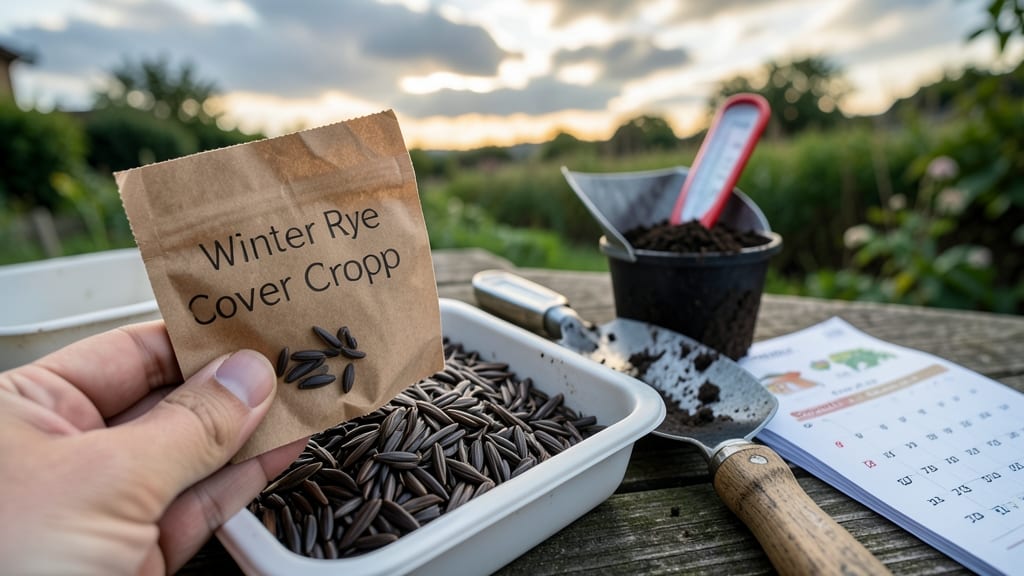
Planting winter rye 🌾 in Texas isn’t just about throwing seeds in the ground—it’s about nailing the frost-free window to ensure your cover crop thrives.
Whether you're in North Texas or the Gulf Coast, timing matters because planting too early risks bolting, while waiting too long means weak roots before winter’s chill sets in.
Most Texas gardeners aim to sow winter rye between late August and early October, giving the plant 4-6 weeks to establish before the first frost hits. In North Texas (Zone 8a), that means planting by early October, while South Texas (Zone 10b) can extend the window until November.
This cover crop isn’t just for show—it suppresses weeds, improves soil health, and even feeds livestock when harvested in spring. But regional frost dates vary wildly, so knowing your exact planting window is the key to avoiding costly mistakes.
Let’s break down the best planting dates by region and share soil prep tips to set your winter rye up for success. Ready to transform your Texas garden? Here’s what you need to know.
Texas winter rye planting dates by hardiness Zone (north vs. south)
Winter rye thrives in Texas when planted within a 4-6 week window before the first frost. But since Texas spans USDA Zones 7-10, timing varies dramatically from the Panhandle to the Rio Grande Valley.
In North Texas (Zones 7-8), where frosts arrive by mid-December, aim for mid-August to early September plantings. Meanwhile, South Texas (Zones 9-10) gardeners have until late October due to milder winters.
This regional variation means a one-size-fits-all approach fails. For example, Lubbock’s first frost typically hits November 15, while Brownsville rarely sees frost before January 1. Planting too late in North Texas risks stunted growth, while Gulf Coast delays can lead to overly lush, hard-to-manage growth before winter.
🌾
For spring harvest timing, winter rye typically matures between March and May, depending on your region. North Texas varieties often reach maturity by early April, while Gulf Coast plantings may extend into May.
This timing ensures you can mow or till under the cover crop before summer heat stresses other plants.
Pro tip: Use Texas A&M AgriLife Extension’s frost date maps to pinpoint your exact window. For example, the Hill Country often sees 10-14 days earlier frosts than coastal areas due to elevation differences. Adjust your planting date accordingly to avoid premature bolting or weak winter establishment.
Soil temperature also plays a critical role. Winter rye germinates best when soil is between 60-70°F. In North Texas, this typically means waiting until late August, while South Texas can start as early as mid-July.
Use a soil thermometer to confirm—cool soil delays germination, reducing your cover crop’s effectiveness.
🌿
Don’t overlook seedbed preparation. Winter rye performs best in loose, well-draining soil with a pH between 6.0 and 7.5. Work in compost or aged manure 2-3 weeks before planting to give seeds the nutrients they need to establish before winter.
In clay-heavy soils (common in East Texas), mix in sand or peat moss to improve drainage.
Finally, consider oversowing with clover in North Texas for added nitrogen fixation. The clover establishes slowly in fall but outcompetes weeds while winter rye gets a head start. This combo is especially useful
How to calculate your exact planting window using frost dates
Determining the perfect time to plant winter rye in Texas isn’t just about guessing—it’s about reading the calendar and your local climate. The key is planting 4-6 weeks before the first frost, giving your cover crop enough time to establish strong roots before winter sets in.
But how do you find that exact date for your area?
Start by checking your USDA hardiness zone (most of Texas falls in Zones 7-10). Then, use historical frost data from trusted sources like the Texas A&M AgriLife Extension or the National Weather Service.
These tools provide average first frost dates, but I always recommend adding a 1-2 week buffer to account for unpredictable weather patterns.
For example, if your area’s average first frost is November 15, aim to plant winter rye by October 1-15. This window ensures your cover crop has time to germinate and grow before cold temperatures slow it down.
Don’t wait until the last minute—rushing the process can lead to weak growth and poor soil protection.
Use the Texas A&M AgriLife Extension frost calculator or check local weather reports for your first and last frost dates. For instance, North Texas typically sees its first frost around December 15, while South Texas may not freeze until January 1.
Subtract 4-6 weeks from your first frost date. If frost hits on November 15, plant between September 28 and October 13. Adjust for your zone—Zone 8a gardeners should plant earlier than Zone 10a.
Winter rye thrives when soil temps are between 60-70°F. Use a soil thermometer to confirm your garden meets this range before planting. If temps are too high or low, wait a few days or adjust your timeline.
Apps like PlantNet or Gardenate provide real-time frost alerts and planting reminders. Set up notifications to stay on track, especially if you’re new to cover crops or have a busy schedule.
If your garden is in a microclimate (e.g., near a lake or hillside), frost dates may vary. Observe nearby plants or ask local gardeners for insights—this fine-tuning can save your cover crop from a late-season surprise.
Pro tip: If you’re unsure about your frost date, plant a test patch of winter rye in early September. Monitor its growth—if it thrives, you can expand your planting. This low-risk strategy helps you avoid the heartbreak of a failed cover crop due to timing errors.
Remember, winter rye isn’t just about timing—it’s about giving your soil the best possible start. By mastering these steps, you’ll ensure your cover crop grows lush and strong, ready to protect your garden all winter long. Happy planting! 🌾