
Companion Plants
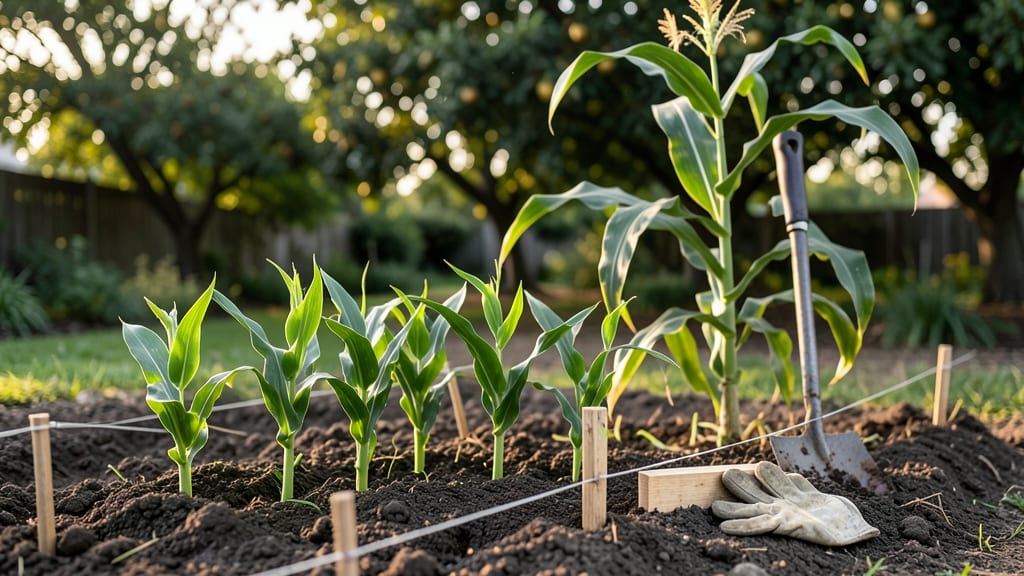
Planting corn at the wrong time in Pennsylvania can mean the difference between a bumper crop of 🌽 and a total loss—so timing is everything.
With last frost dates varying from mid-April in southern zones to early May in the north, getting it right depends on your specific USDA zone (like 5b-7a) and local microclimates.
Most gardeners in PA aim to plant corn between mid-April and early June, but soil temperature matters just as much as calendar dates. Waiting until the ground reaches 60°F ensures strong germination, even if that means pushing back your schedule a few weeks.
In this guide, I’ll break down the exact planting windows for your region, share tricks for extending the season with row covers, and help you avoid common mistakes that waste seeds and effort.
Whether you’re in Pittsburgh’s cooler climate or Philadelphia’s warmer pockets, you’ll know exactly when to get those seeds in the ground.
Ready to grow corn that thrives? Let’s dive into the frost-free timeline that works for your corner of Pennsylvania—and set you up for a harvest from late July through October.
Pennsylvania corn planting dates by USDA hardiness zones
Pennsylvania’s diverse climate means corn planting dates vary dramatically from the Poconos (Zone 5b) to the Delaware Valley (Zone 7a). Timing your corn seeds correctly ensures healthy germination and avoids frost damage—critical for a successful harvest.
Most Pennsylvania gardeners aim to plant after the last frost, but soil temperature matters just as much as air temperature.
Corn thrives when soil reaches 60°F (15°C), which typically occurs 2-4 weeks after the average last frost date. In Zone 5b (northwest PA), this often means waiting until mid-May, while Zone 7a (southeast PA) can start as early as late April.
Using a soil thermometer is the best way to confirm readiness—don’t rely on calendar dates alone!
Here’s a breakdown of ideal planting windows by Pennsylvania region, based on USDA hardiness zones and historical frost data from the Penn State Extension. These dates align with fast-maturing varieties (85-100 days), which are best suited for PA’s shorter growing season.
| USDA Zone | Region | Last Frost (Avg.) | Ideal Planting Window | Harvest Window |
|---|---|---|---|---|
| 5b | Erie, Scranton, Poconos | May 1-15 | May 15-June 1 (soil 60°F+) | Late July-October 1 |
| 6a | Pittsburgh, State College | April 25-May 10 | April 30-May 15 | Late July-September 30 |
| 6b | Harrisburg, Allentown | April 20-April 30 | April 25-May 10 | Early July-October 10 |
| 7a | Philadelphia, Reading | April 10-April 20 | April 15-May 5 | Late June-October 15 |
*Dates based on 30-year averages; adjust for your microclimate. Source: Penn State Extension.
If you’re planting heirloom or late-maturing varieties, consider a second planting in early June for a fall harvest. However, sweet corn planted after June may not mature before first frost, especially in northern PA.
For urban gardeners in cities like Philadelphia, microclimates near heat-absorbing surfaces (like brick walls) can push planting back 1-2 weeks earlier.
Pro tip: Use biodegradable seed starters to jumpstart growth in cooler zones. These pre-sprouted seeds give corn a 2-week head start, which is invaluable in Zone 5b where summers are shorter. Just plant them 1 inch deep and keep soil moist until germination (typically 7-14 days).
For organic gardeners, mix compost or worm castings into the soil before planting to boost soil fertility. Corn is a heavy feeder, so amending the soil with aged manure or bone meal can improve ear development. Avoid fresh manure, which can burn roots and delay growth.
One common mistake is planting too early to beat the frost, only to have seeds rot in cold, wet soil. Always wait until soil is consistently above 60°F for at least
How to adjust corn planting for PA’s microclimates
Pennsylvania’s diverse geography means your corn’s planting window can vary by hundreds of miles—even within the same county. Urban heat islands in Philadelphia or Pittsburgh may warm up 1-2 weeks earlier than rural areas, while high-elevation spots like Scranton often face delayed springs.
Always check your local frost dates using the PA State Extension’s Frost-Free Date Calculator.
For late springs, use row covers or cold frames to jumpstart germination. I’ve had success planting early varieties under floating row covers in mid-March—just remove them once true leaves emerge to prevent overheating. This buys you 2-3 critical weeks before the ideal window.
Planting after May 15 in most of PA drastically reduces yield. Corn needs 90-120 days to mature—if your variety takes 100 days and you plant on June 1, frost will likely hit before harvest. Use fast-maturing varieties (≤90 days) for late starts, but expect smaller ears.
Soil temperature is more critical than air temperature for corn. Use a soil thermometer—plant only when readings hit 60°F (15°C) at 4-inch depth.
In northern PA (zones 5a-5b), this often means waiting until late May, while southern PA (zones 6b-7a) can start as early as mid-April. Cold, wet soils slow germination and invite fungal diseases like seed rot.
Urban gardeners face unique challenges: concrete heat can dry out soil faster, while shallow roots struggle in compacted city soil. Amend with 2-3 inches of compost and mulch with straw to retain moisture.
I’ve found raised beds work wonders in urban areas—they warm up 1-2 weeks earlier than in-ground soil and improve drainage.
If you’re in a high-altitude area (e.g., Poconos, Allegheny Plateau), plant 1-2 weeks later than your zone’s average. These regions often experience late frosts in May and cooler summers. Choose short-season varieties like ‘Early Sunglow’ (85 days) or ‘Ambrosia’ (90 days) to ensure maturity before frost.
For replanting after frost damage, opt for succession planting with fast varieties. If your first planting gets nipped by frost, sow ‘Golden Bantam’ (75 days) or ‘Temptation’ (80 days) in early June for a late-summer harvest.
Just be prepared for smaller ears—corn planted after June 15 rarely reaches full potential in PA’s climate.