
Plants
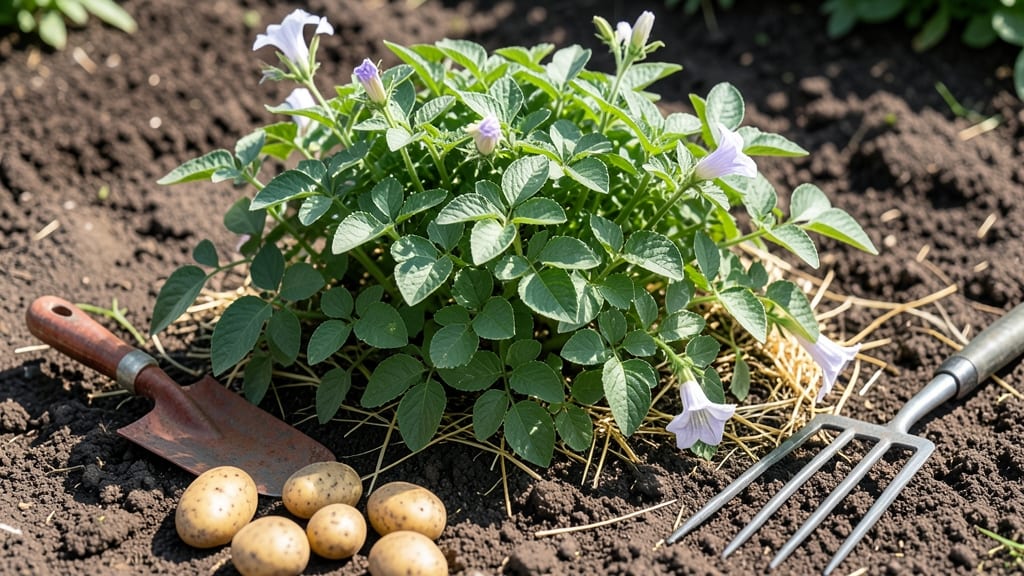
Planting potatoes in Texas isn't just about throwing them in the ground—it's about timing them perfectly to beat frost and scorching heat. The best time to plant depends on your region, but getting it wrong could mean watching your crop fail before it even starts.
I’ve learned the hard way that North Texas gardeners have a tighter window than those in South Texas, where milder winters allow for earlier starts.
Whether you’re in USDA zones 8a-11, understanding your last frost date is the key to success—because potatoes need 4-6 weeks of warm soil before they’ll thrive.
In this guide, I’ll break down the exact planting windows for your part of Texas, from late February in North Texas to January in the South. You’ll also discover how to prep your soil, choose the right varieties, and avoid common mistakes that ruin harvests.
Ready to grow a bountiful 🥔 crop? Let’s get started with the steps that’ll make all the difference.
Texas potato planting timeline: frost-free dates by region
Texas’s diverse climate means potato planting times vary dramatically—from freezing North Texas winters to balmy Gulf Coast springs. Getting the timing wrong can mean frost damage or heat stress, so knowing your region’s last frost date is critical.
Here’s how to pinpoint your perfect planting window, whether you’re in El Paso, Austin, or Houston.
Most Texas gardeners aim to plant 4–6 weeks before the last frost, but exact dates shift 2–4 weeks depending on your zone. For example, North Texas (Zones 7b–8a) waits until late February, while South Texas (Zones 9a–10) can start as early as January.
Even within regions, microclimates matter—Hill Country areas may frost later than nearby valleys.
Use this region-specific guide to avoid common mistakes like planting too early (risking frost) or too late (triggering early bolting). Texas A&M AgriLife Extension recommends checking your local frost dates via the National Weather Service or Almanac’s Frost Calculator for precision.
🌱
| Region | USDA Zone | Last Frost Date | Ideal Planting Window | Harvest Window | Notes |
|---|---|---|---|---|---|
| North Texas (e.g., Amarillo, Lubbock) | 7b–8a | Mid-March | Late February–Early March | April–June | Coldest zone; use early-maturing varieties (e.g., 'Early Red'). |
| Central Texas (e.g., Austin, San Antonio) | 8a–8b | Late February–Early March | February–March | March–May | Hill Country areas may frost 1–2 weeks later. |
| East Texas (e.g., Tyler, Beaumont) | 8a–9a | Mid-February | January–February | February–April | Humidity increases disease risk; space plants wider. |
| South Texas (e.g., Corpus Christi, Brownsville) | 9a–10 | Early January | January–February | February–April | Heat-tolerant varieties like 'Red LaSoda' thrive here. |
If you’re in a transition zone (e.g., near the Balcones Fault or Gulf Coast), err on the side of planting later—even a few degrees warmer can push potatoes to bolt prematurely.
For example, Austin’s Hill Country might see frost as late as March 15, while downtown Austin averages February 28.
Pro tip: Stagger plantings every 2–3 weeks to extend your harvest. Plant early varieties (e.g., 'Yukon Gold') first, followed by mid-season (e.g., 'Kennebec') and late-season (e.g., 'Russet Burbank') for a continuous supply. This works especially well in South Texas, where summers are too hot for traditional schedules.
🌡️
For container gardening, adjust your timeline by 2 weeks earlier—pots warm up faster and can be moved to shade if needed. Just ensure your containers have drainage holes and use a lightweight potting mix to prevent overheating.
In North Texas, this lets you squeeze in a second planting in early summer for a fall harvest (if you’re willing to risk bolting).
Remember: Soil temperature matters more than air temperature. Potatoes need 45–55°F soil to sprout, but 60°F+ for optimal growth. Use a soil thermometer to check—if it’s below 50°F, wait another week or two.
This is especially critical in East Texas, where warm air meets cold soil in spring.
✂️
Soil temperature & depth requirements for Texas potatoes
Texas gardeners know soil temperature and planting depth are just as critical as timing. Potatoes need soil temps between 50–60°F to sprout consistently—any cooler, and growth stalls.
In North Texas, wait until mid-March when soil warms naturally, while South Texas gardeners can start as early as late January in protected beds.
For optimal tuber development, plant seed potatoes 3–4 inches deep and 12 inches apart. Shallow planting risks green tubers (toxic if eaten), while planting too deep wastes energy. Use a soil thermometer to verify temps before planting—Texas clay soils retain heat longer than sandy soils, so adjust timing accordingly.
If your soil feels too cold after the ideal window, try black plastic mulch to warm it faster. Conversely, in South Texas, avoid planting in April—intense heat causes potatoes to bolt prematurely, producing bitter tubers. Prioritize well-draining, loose soil with a pH of 5.0–6.5 for best results.
Test your soil’s readiness by pressing a soil thermometer 3 inches deep. If it reads below 50°F, delay planting or use row covers to protect young sprouts. In Hill Country areas, microclimates can be 5–10°F cooler than nearby valleys—always check local conditions.
For container growing, use sterile potting mix with perlite and plant in deep pots (12+ inches). Containers warm faster than ground soil, so start 2–3 weeks earlier than outdoor beds. Always water containers daily to prevent soil from drying out too quickly.
Remember: Texas heat accelerates growth, so monitor plants closely. If foliage yellows before harvest, it may signal heat stress or blight. Rotate crops yearly to prevent disease buildup—potatoes are heavy feeders and deplete soil nutrients quickly.