
Plants
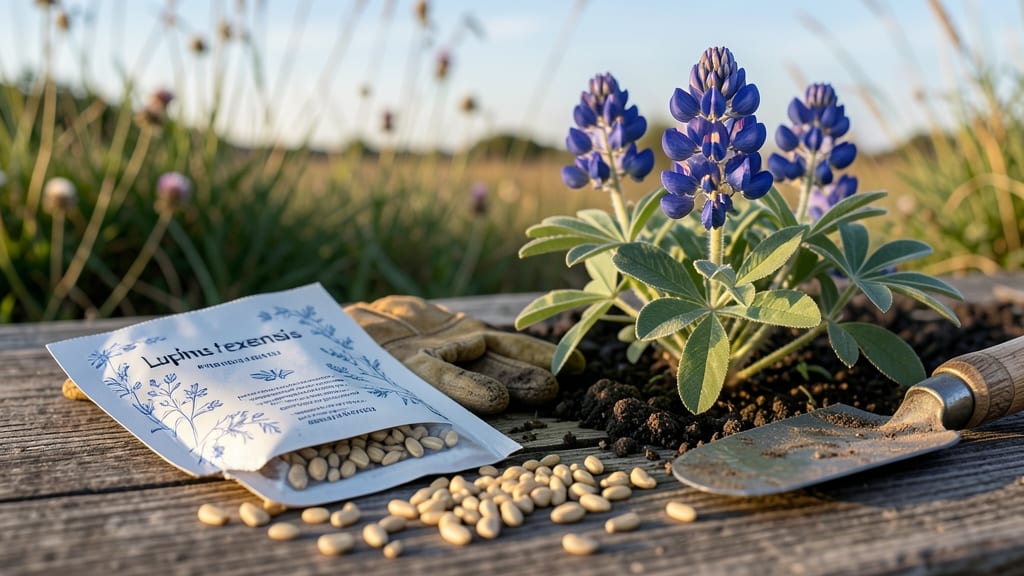
Planting bluebonnets in North Texas isn’t just about dropping seeds in the ground—it’s about catching that perfect fall window when soil temps are just right and frost isn’t lurking around the corner. Miss the mark, and you might end up with half-hearted blooms or worse, nothing at all.
If you’ve ever dreamed of waking up to a vibrant carpet of blue 🌸 blanketing your yard, timing is everything. The key lies in those crisp autumn months when the air cools but the ground stays warm enough for seeds to germinate.
I’ll break down exactly when to plant—plus how to prep your soil and protect those delicate seedlings from North Texas’ unpredictable weather.
You don’t need a green thumb to pull this off, but you do need to know the science behind it. From soil temperature thresholds to frost-free windows, I’ve got the insider tips that’ll help your bluebonnets thrive.
Let’s get those seeds in the ground the right way—so you can enjoy spring blooms that’ll make your neighbors jealous.
The best part? Once established, these tough little flowers practically take care of themselves. But getting them started requires a little strategy.
Stick with me, and I’ll walk you through every step—from choosing the right variety to watering like a pro—so you can turn your yard into a Texas-blue masterpiece next spring.
Optimal planting dates for North Texas bluebonnets based on soil temperature
Bluebonnets thrive in North Texas when planted during the fall, but not all fall dates are equal. The perfect window hinges on soil temperatures between 55°F and 65°F. Below this range, seeds may rot; above it, they risk drying out before germination.
For Dallas and surrounding areas (USDA Zone 8a), aim for late September to early November. In Wichita Falls and northern regions (Zone 7b), push planting to mid-October to early November to avoid early frosts.
Soil temperature is more critical than air temperature. Use a soil thermometer to confirm conditions. If your soil is below 55°F, wait 1-2 weeks or use row covers to protect seedlings.
Pro tip: Plant after the first hard frost (typically mid-November in North Texas) to ensure seeds don’t sprout too early. This timing aligns seeds with winter rains, giving them moisture without drowning.
Here’s how North Texas regions compare for bluebonnet planting:
| Region | USDA Zone | Ideal Planting Window | Soil Temp Goal |
|---|---|---|---|
| Dallas/Fort Worth | 8a | Late Sept - Early Nov | 55°F - 65°F |
| Wichita Falls | 7b | Mid-Oct - Early Nov | 55°F - 65°F |
| Amarillo | 7a | Late Oct - Early Nov | 55°F - 60°F |
If you miss the fall window, spring planting is possible but riskier. Sow seeds in February only if your soil warms to 60°F+ consistently. Spring-planted bluebonnets often bloom later or produce fewer flowers due to heat stress.
For maximum blooms, pair planting with well-draining soil and full sun. Amend heavy clay soils with compost or sand to improve drainage. Avoid planting in low-lying areas where water pools after rains.
Remember: Bluebonnets are perennials, but they self-seed prolifically. Once established, they’ll return year after year with minimal care. The key is getting that first planting right!
🌱
Optimal planting dates for North Texas bluebonnets based on soil temperature
Bluebonnets thrive when planted in cool fall soil—typically between 55°F and 65°F. In North Texas (USDA zones 7b-8a), this usually means late September to early November. Planting too early risks frost damage, while waiting too late may delay spring blooms.
Soil temperature is your best indicator. Use a soil thermometer to check depths of 2-3 inches. If temps hover around 60°F, it’s prime time. Dallas-area gardeners should aim for mid-October, while Wichita Falls can plant slightly earlier due to cooler nights.
Here’s how soil temps translate to your planting window:
For direct sowing, scatter seeds lightly (1/4 inch deep) in well-drained soil. Pre-soaking seeds for 24 hours boosts germination rates. Space seeds 6-12 inches apart to allow room for mature plants.
If you miss the fall window, spring planting is possible—but expect smaller blooms. Sow seeds in February once soil warms to 60°F. Mulch lightly with straw to retain moisture during dry spells.
Pro tip: Test your soil’s drainage before planting. Bluebonnets hate soggy roots. Amend heavy clay with compost or sand for optimal growth.