
Plants
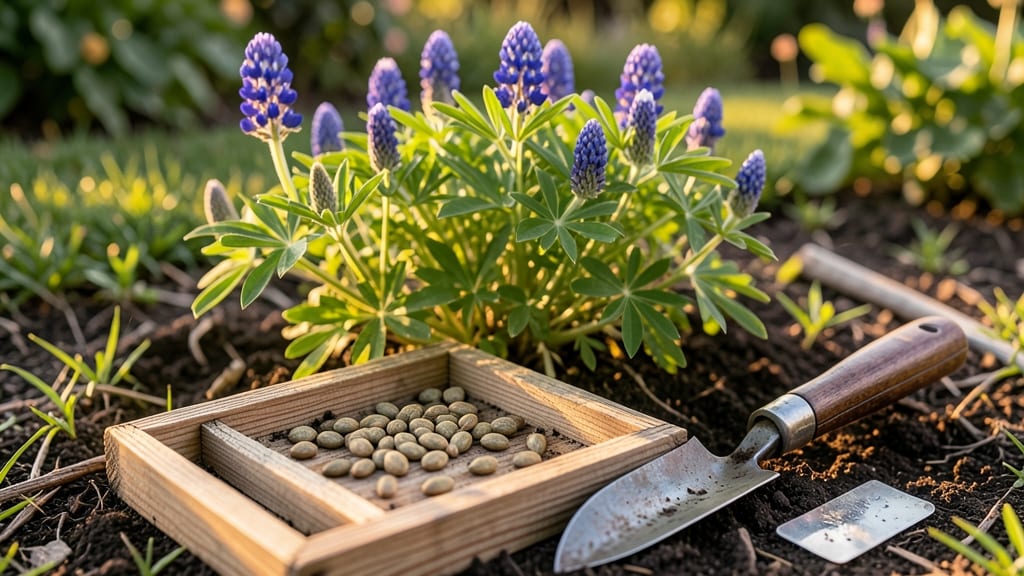
Planting bluebonnet seeds at the wrong time in Austin means missing out on the stunning blue blooms that carpet the Texas Hill Country every spring. The secret to success? Timing your seeds for the frost-free window between late September and early November, when temperatures are just right for germination.
Why does this matter? Austin’s 8a-9a climate creates a narrow window where bluebonnets can establish roots before winter chill sets in. Skip this timing, and you’ll likely end up with weak seedlings or no blooms at all.
I’ve seen firsthand how a few weeks difference can mean the difference between a thriving meadow of 🌸 bluebonnets and a failed attempt.
In this guide, I’ll walk you through the exact planting window, soil prep tips, and Austin-specific tricks to ensure your seeds thrive. Whether you’re a first-time gardener or a seasoned pro, these insights will help you get it right the first time.
Let’s dive into the most important steps to turn your garden into a bluebonnet paradise next spring—without the guesswork.
Austin’s ideal bluebonnet planting timeline: month-by-month frost-free guide
Austin’s bluebonnet planting success hinges on timing—specifically, the 60-day frost-free window between first frost (Dec 1) and last frost (Jan 15). Planting too early risks seed washout from rains, while late planting delays blooms until next spring.
The optimal window is late September through early November, aligning with Austin’s USDA Zone 8a-9a climate.
Bluebonnets are cool-season annuals that germinate best when soil temps drop below 80°F but stay above 50°F. This temperature sweet spot occurs naturally in Austin’s fall months, creating ideal conditions for seedling establishment before winter dormancy.
Urban areas may experience microclimate variations, with cooler nights near water features or shaded spots.
For maximum bloom impact, aim to plant 6-8 weeks before Austin’s first frost (early November). This timing ensures seeds germinate in warm fall soil but establish roots before cool winter temperatures slow growth.
Spring planting is possible but yields smaller blooms and requires cold stratification to mimic natural dormancy cycles.
🌸
| Month | Planting Window | Soil Temp | Key Considerations |
|---|---|---|---|
| Late August | Emergency only (with stratification) | 85-90°F | High risk of seed washout; requires pre-treatment |
| September | Ideal start (late Sept) | 75-80°F | Best germination; avoid heavy rains |
| October | Peak window | 65-75°F | Optimal for root establishment; prepare for winter |
| November | Last chance (early Nov) | 55-65°F | Slower germination; protect from frost |
| December | Not recommended | Below 50°F | Seeds may rot; requires winter protection |
Austin’s urban vs. rural microclimates create planting variations. City centers (like downtown) experience urban heat islands, delaying frost by 1-2 weeks compared to rural areas (like West Lake Hills). Monitor local weather stations or use the National Weather Service’s frost prediction maps to adjust your planting schedule accordingly.
For spring blooms, plant in late winter (February) after cold stratification (4-6 weeks in fridge). However, this method produces smaller, less vibrant blooms compared to fall-planted flowers. Native seed mixes often include bluebonnets, so check labels for pre-treated seeds that skip stratification steps.
Pro tip: Mark your planting date and track 60-day bloom cycles. Austin’s bluebonnet season typically peaks in March-April, but early fall plantings may bloom as early as February in warmer microclimates. The earlier you plant, the sooner you’ll enjoy that iconic Texas blue!
🌿
How to prepare bluebonnet seeds for Austin’s climate: scarification and stratification secrets
Bluebonnet seeds need special preparation to break their natural dormancy before Austin’s heat triggers germination. Without this step, many seeds will simply sit in the soil waiting for conditions they’ll never experience.
The key is mimicking winter’s cold snap through scarification or cold stratification—both critical for 70-80% germination rates in our climate.
For Austin gardeners, the easiest method is mechanical scarification using sandpaper or a file. Simply rub each seed gently until you see a small crack appear—this mimics the natural wear seeds experience during winter.
This works best for seeds you’re planting in late September or October, giving them time to germinate before winter sets in.
Rub seeds lightly with 100-grit sandpaper until slightly roughened (30 seconds per seed).
Place seeds in moist paper towels in a sealed bag at 35-40°F for 4-6 weeks (use fridge).
Scatter seeds 1/8 inch deep—they need light to germinate. Avoid burying deeper than 1/4 inch.
Keep soil lightly moist (not soggy) until germination, which takes 10-21 days in ideal conditions.
For spring blooms, plant scarified seeds in September-October. For fall blooms, plant in August.
If you’re short on time, skip stratification and plant seeds in mid-August—Austin’s summer heat will naturally break dormancy, though germination may be slower. However, this method often yields fewer blooms compared to pre-treated seeds.
For best results, combine scarification with a light mulch layer (straw or leaves) to retain moisture during germination.
Pro tip: Test a few seeds first by placing them in a damp paper towel for 48 hours. If they swell slightly, they’re viable and ready for planting.
Discard any seeds that remain hard after scarification—they won’t germinate. This simple test saves time and ensures you’re not wasting seed packets on non-viable seeds.
Austin’s calcareous soil (high in lime) can also affect germination. If your soil is extremely alkaline, mix in a 1-inch layer of compost before planting to improve seed-to-soil contact and moisture retention. This small adjustment can boost germination rates by up to 20% in challenging conditions.
Once your seeds are prepped and planted, resist the urge to overwater. Bluebonnets thrive in drought-like conditions after germination—overwatering can actually drown the seeds or cause fungal issues. Aim for light, infrequent watering (every 7-10 days) until seedlings are established.
With the right prep, you’ll see those first tiny blue sprouts by late October or early November, setting the stage for next spring’s iconic blooms. 🌸