
Vegetables
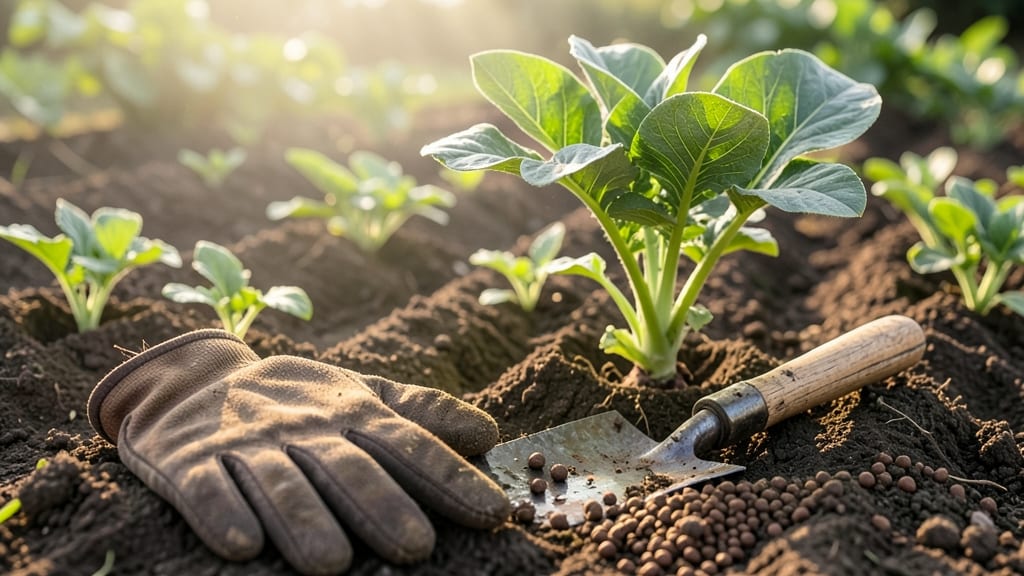
Planting turnips in the fall 4-6 weeks before your first frost is the golden ticket to crisp, sweet roots that taste like autumn itself—but get the timing wrong, and you’ll end up with bitter, tough vegetables.
Whether you’re a backyard gardener or a container grower, nailing that window means enjoying homegrown 🥕 at their peak just as winter arrives.
Turnips thrive in cool weather, making fall the perfect season to grow them. In USDA Zone 6a, that means aiming for late August or early September plantings, depending on your local frost date. The key is giving them enough time to mature—60-70 days—before the ground freezes.
I’ll walk you through exactly how to time your plantings, prep your soil, and avoid common mistakes that turn tender roots into woody disappointments. No guesswork, just reliable results for your fall harvest.
Ready to grow turnips that taste like they came straight from a farmer’s market? Let’s get started with the easiest way to time your plantings for success.
Optimal fall turnip planting timeline by USDA Zone: exact weeks before frost
Timing your fall turnip planting is the secret to sweet, tender roots. The golden rule? Plant 4-6 weeks before your first frost date to ensure a harvest before hard freezes.
For example, in USDA Zone 6a (like my backyard), that means sowing seeds in early September for a harvest by late October. But timing varies by region—let’s break it down.
Soil temperature matters just as much as frost dates. Turnips thrive when soil is between 45°F and 85°F. If you plant too early, they’ll bolt (flower prematurely) from heat stress. Too late, and they’ll struggle to mature before frost. Always check your local frost dates and adjust accordingly.
Here’s the summary table with exact planting windows by USDA zone, including soil prep tips and variety recommendations:
| USDA Zone | Planting Window | Soil Prep | Best Varieties |
|---|---|---|---|
| Zones 3-4 | Late July to early August | Loosen soil, add compost | 'Purple Top White Globe' |
| Zones 5-6 | Early to mid-September | Test pH (6.0-7.0), fertilize lightly | 'Tokyo Cross' (fast-maturing) |
| Zones 7-8 | Mid to late August | Mulch to retain moisture | 'Hollow Crown' |
| Zones 9-10 | Late August to early September | Use shade cloth if hot | 'Golden Ball' |
Direct sowing is the easiest method for fall turnips. Scatter seeds ½ inch deep, 1-2 inches apart, and thin seedlings to 4 inches apart when they’re 2-3 inches tall.
This spacing prevents overcrowding, which leads to small, bitter roots. I always mark my rows with stakes to avoid disturbing seedlings during thinning.
For transplanting, start seeds indoors 4-6 weeks before outdoor planting. Use biodegradable pots to minimize root disturbance when moving them to the garden. Harden off seedlings by placing them outdoors for 2-3 hours daily in the week before transplanting. This gradual adjustment prevents shock.
Turnips are cool-season crops, so they’ll actually tolerate light frosts after maturity. In fact, a light frost can sweeten the roots further! Just avoid heavy freezes, which will damage both roots and greens.
If frost is forecasted before harvest, use a row cover to extend the season by 2-3 weeks.
Pro tip: Plant turnips in succession every 2 weeks after your initial sowing. This ensures a steady supply of fresh turnips throughout the fall. For example, in Zone 6a, I’ll sow seeds on September 1st, 15th, and 30th for staggered harvests.
Always choose fast-maturing varieties (60-70 days) for fall planting. Slower varieties risk bolting or becoming woody before harvest. My go-to is 'Tokyo Cross', which matures in just 50 days—perfect for short-season gardens.
Finally, monitor your turnips closely in the weeks leading up to frost. Harvest when roots are 1-2 inches in diameter and leaves start yellowing at the base. Leaving them too long turns them tough and pithy—definitely not the sweet, crisp harvest you’re after!
Optimal fall turnip planting timeline by USDA Zone: exact weeks before frost
Timing your fall turnip planting is all about beating the first frost while giving roots enough time to mature. Aim for 4-6 weeks before your average frost date—this window ensures sweet, tender roots before winter sets in.
For example, in USDA Zone 6a, where my garden lives, that means sowing seeds between late August and mid-September.
Turnips thrive in cool-season conditions, but they won’t tolerate hard freezes. If planted too early, they’ll bolt (go to seed) before reaching maturity. Too late, and you’ll end up with small, bitter roots.
The key is balancing soil temperature (50-70°F) and daylight hours—both perfect for turnips in early fall.
🌱 Pro Tip: Check your local frost dates (use the USDA Plant Hardiness Zone Map) and count backward. For 60-70 day varieties, like ‘Purple Top White Globe,’ start seeds 6 weeks before frost.
For faster-maturing types like ‘Tokyo Cross,’ you can plant as late as 4 weeks out.
| USDA Zone | Planting Window | Soil Temp | Notes |
|---|---|---|---|
| Zones 3-5 | Late July to early August | 50-65°F | Use cold-hardy varieties like ‘Hollow Crown’ |
| Zones 6-7 | Late August to mid-September | 55-70°F | Ideal for 60-day varieties |
| Zones 8-10 | September to early October | 60-75°F | Extend with row covers if frost threatens |
Direct sowing is the easiest method for fall turnips. Scatter seeds ½ inch deep and 1 inch apart, then thin seedlings to 4 inches apart once they’re 2-3 inches tall.
If you prefer transplants, start seeds indoors 4-6 weeks before your outdoor planting date and harden them off for a week before moving them to the garden.
Prep your soil by amending it with compost or aged manure to ensure fertility. Turnips prefer loose, well-draining soil with a pH of 6.0-7.0. Avoid fresh manure, which can cause bolting or uneven growth. A light mulch of straw helps retain moisture and regulate soil temperature as fall progresses.
Monitor your turnips closely in the weeks leading up to frost. If temperatures dip below 30°F, use row covers or cold frames to protect young plants.
With the right timing, you’ll harvest crisp, flavorful roots just as winter arrives—perfect for roasting, mashed dishes, or fresh salads before storage crops take over.