
Companion Plants
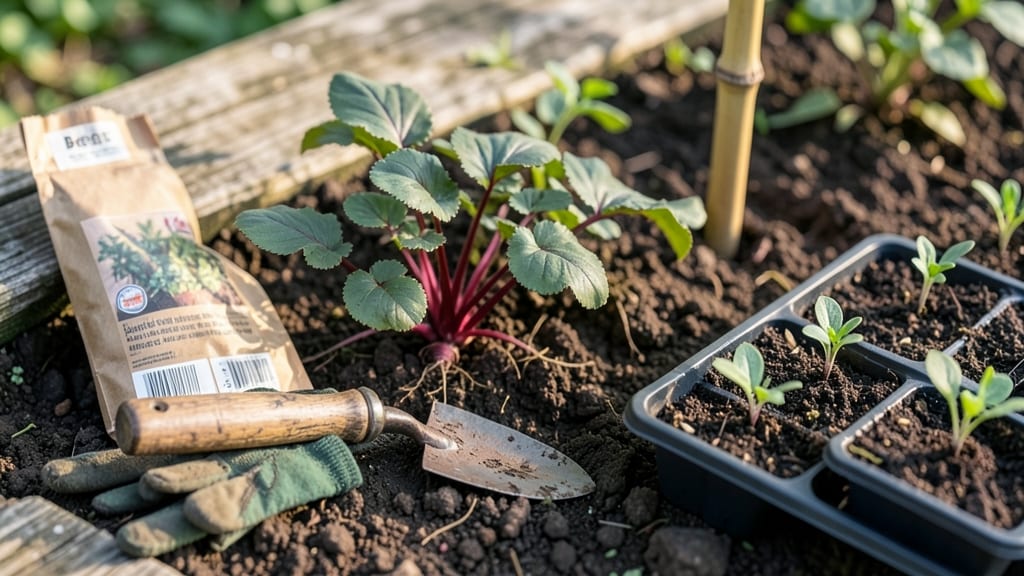
Planting beets in Zone 7 at the wrong time can turn your crisp, sweet harvest into tough, woody roots—something no gardener wants. The secret to perfect 🍠 beets lies in understanding the exact planting windows that align with your local frost dates and soil conditions.
For Zone 7 (7a-7b), the ideal time to plant beets is 4-6 weeks before your last frost date—typically in early spring (March to April) or late summer (August to September).
This timing ensures your beets mature before summer heat sets in or winter frost arrives, giving you two chances for a bountiful harvest.
But here’s the catch: coastal areas may have slightly different frost dates than inland spots, so I’ll break down the exact weeks and soil temperature tips to help you time it just right.
Whether you’re a first-time gardener or a seasoned grower, these insights will help you avoid common mistakes and enjoy homegrown beets all season long.
Let’s dive into the precise planting schedule, including how to extend your harvest with succession planting and what to watch for to keep your beets thriving from seed to table.
Zone 7 beet planting calendar: exact weeks before last frost for success
Timing your beet planting in Zone 7 is all about avoiding two extremes: frost damage from early starts and bolting from summer heat. The ideal window focuses on soil temperatures between 50-70°F, which gives you crisp, sweet roots.
In most of Zone 7, this means planting 4-6 weeks before your last frost date, typically between mid-March and early April for spring crops.
For a second harvest, aim for fall plantings 8-10 weeks before your first frost, usually late August to early September. This timing ensures beets mature before cold weather sets in.
Coastal areas may have slightly later frost dates, while inland regions should plant earlier to account for hotter summers.
Here’s your Zone 7 beet planting timeline with exact weeks before last frost for both spring and fall success:
| Planting Window | Weeks Before Last Frost | Soil Temp (°F) | Notes |
|---|---|---|---|
| Early Spring | 6-8 weeks | 50-60°F | Start indoors or use cold frames for early varieties like 'Detroit Dark Red'. |
| Main Spring | 4-6 weeks | 60-70°F | Best for mid-season varieties like 'Golden |
| Fall | 8-10 weeks | 55-65°F | Use heat-tolerant varieties like 'Chioggia' for late summer plantings. |
In Zone 7a (colder microclimates), push your spring planting to late March to avoid late frosts, while Zone 7b gardeners can start as early as mid-March. Always check your average last frost date—most Zone 7 areas fall between April 15-30, but elevations and microclimates vary.
For succession planting, sow new seeds every 2-3 weeks after your initial planting to ensure a steady supply. This works especially well for baby beets, which mature faster (in 45-50 days) than full-sized roots (60-70 days).
Use shade cloth in late spring to protect seedlings from bolting if temperatures exceed 80°F.
Pro tip: Direct sow beets instead of transplanting seedlings—they dislike root disturbance. Scatter seeds thinly (½ inch deep) and keep soil moist until germination (7-14 days). Thin to 2-3 inches apart once seedlings have 2 true leaves to prevent competition.
Fall plantings require extra attention to soil moisture as temperatures drop. Water deeply once a week unless rain falls, and mulch with straw or leaves to insulate roots. Harvest before hard frosts hit, or choose cold-hardy varieties like 'Bull’s Blood' for late-season storage.
Remember, beets store well—dig up excess roots and cure them in a cool, dark place for 2-3 weeks before storing in the fridge. This extends your harvest well into winter, making your Zone 7 beet timing pay off all season long.
🌱
How to extend your beet harvest in Zone 7: succession planting and fall crops
To enjoy homegrown beets from early spring through crisp fall days in Zone 7, I’ve mastered the art of succession planting. The key is spacing out plantings every 2-3 weeks to ensure a continuous supply of tender roots.
Start with your first batch 4-6 weeks before your last frost date—typically around mid-March—then repeat every 21 days until mid-June.
For fall harvests, begin your last planting 8-10 weeks before your first frost, usually around late July or early August. This timing ensures beets mature before cold weather sets in, giving you a second harvest window in October or November.
Choose heat-tolerant varieties like ‘Detroit Dark Red’ or ‘Golden’ for better success in late summer plantings.
🌱
Loosen soil to 12 inches deep and mix in 2-3 inches of compost. Beets hate compacted soil, which can lead to misshapen roots.
Sow seeds ½ inch deep, spacing rows 12 inches apart. Thin seedlings to 2-3 inches apart when they’re 2 inches tall to prevent overcrowding.
Keep soil consistently moist—especially during germination. Water deeply in the morning to avoid fungal diseases. Reduce watering as fall approaches to prevent bolting.
Apply 2-3 inches of straw mulch to retain moisture and suppress weeds. This also keeps roots cool during hot summer months, preventing woody texture.
Stop fertilizing 4-6 weeks before first frost to avoid regrowth that won’t survive cold. Harvest beets when soil temps drop below 40°F to prevent frost damage.
One trick I swear by is interplanting beets with radishes. Radishes mature quickly (3-4 weeks) and mark the spots where beets can follow. This maximizes your garden space while keeping weeds at bay.
Just avoid planting beets where tomatoes or potatoes grew the previous year—they’re in the same family and can harbor diseases.
For a second fall harvest, try short-day varieties like ‘Cylindra’ or ‘Chioggia’. These hold their quality better in cooler weather and store well in a cool, dark root cellar for up to 3 months. Always leave 1 inch of the stem attached when storing to slow moisture loss.
✂️