
Plants
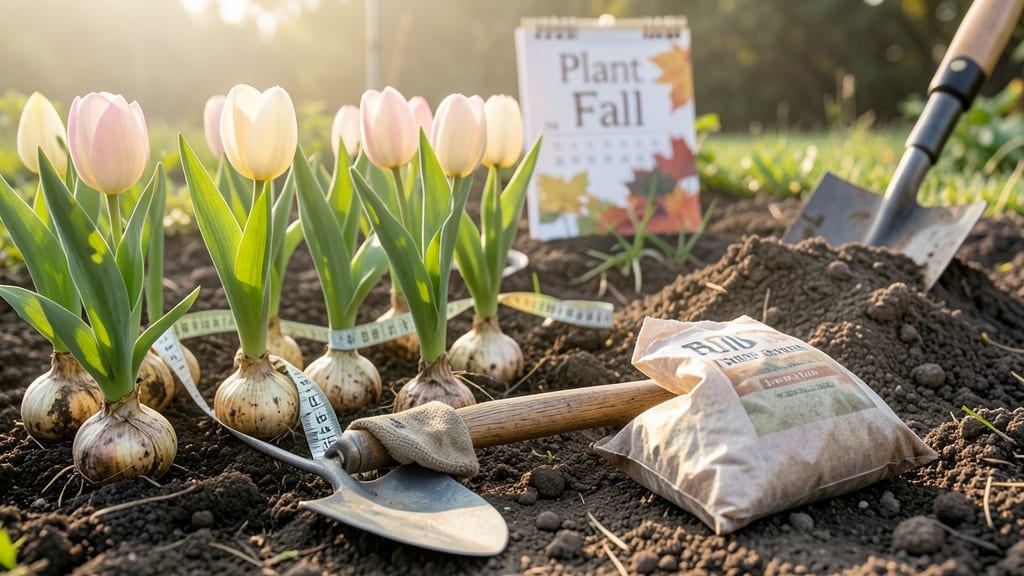
Planting tulip bulbs in the ground 🌷 at the wrong time can mean waiting another year for those vibrant spring blooms—and nobody wants to miss out on that showstopping display.
The key to success lies in understanding your local climate, especially if you're in USDA Zone 6a, where timing matters more than you might think.
Most gardeners know tulips need fall planting, but the exact window—typically between October and November—varies by region. Planting too early can leave bulbs vulnerable to pests, while waiting too long risks freezing before roots establish.
I’ll break down the perfect schedule for your area, so you can set your garden up for perfect blooms next spring.
Don’t make the mistake of thinking spring planting works—it doesn’t. Tulips require a period of cold dormancy to trigger their growth cycle, and skipping this step means you’ll be left with nothing but disappointment.
Once you master the timing, you’ll also discover how to adjust for different tulip varieties, ensuring your garden bursts with color at just the right moment.
Ready to transform your yard into a springtime masterpiece? Let’s dive into the step-by-step guide that will have your tulips thriving year after year, no matter where you live.
Optimal tulip planting dates by US hardiness Zones (chill-hour requirements explained)
Planting tulip bulbs at the right time ensures they get the chill hours they need to bloom spectacularly next spring. Most tulips require 12-16 weeks of cold temperatures below 40°F (4°C), but the exact timing depends on your USDA hardiness zone and tulip variety.
For example, Darwin Hybrid tulips need more chill hours than Parrot tulips, so their planting window differs slightly.
The golden rule is to plant tulip bulbs 6-8 weeks before the ground freezes in your area. This gives bulbs time to establish roots before winter dormancy.
In Zone 3-5, that means planting between mid-September and October, while gardeners in Zone 6-8 should aim for October to early November. Late bloomers like 'Black Parrot' tulips may need an extra week or two of chill time.
Here’s how to match your zone to the perfect planting window, along with chill-hour requirements for popular tulip types:
| USDA Zone | Planting Window | Chill Hours Needed | Best Varieties | Frost Risk Note |
|---|---|---|---|---|
| 3-4 | Mid-September to October 15 | 16+ weeks | Darwin Hybrids, Fosteriana | Plant early to avoid early freezes |
| 5-6 | October 1-15 | 12-14 weeks | Parrot Tulips, Double Late | Avoid planting after first frost |
| 7-8 | October 15-November 1 | 10-12 weeks | Early Harbinger, Greigii | Mild winters may need mulch |
| 9-10 | November 1-15 | 8-10 weeks | Species Tulips, Fringed | Use shade cloth if no chill |
If you live in Zone 9-10 with mild winters, tulips may not get enough chill hours naturally. In this case, you can pre-chill bulbs in your fridge for 8-10 weeks before planting or choose low-chill varieties like 'Queen of Night' or 'Ice Cream'.
These varieties tolerate shorter cold periods and still bloom reliably.
Another trick for warm climates is to plant bulbs in late fall or early winter (December-January) to mimic natural chill conditions. Just
Spring planting is a common mistake—tulip bulbs planted in spring won’t bloom that year because they lack the necessary cold period. They’ll just sit dormant until next spring, if they survive at all. Always stick to the fall planting rule for reliable blooms.
Pro tip: Check your local first frost date and count backward 6-8 weeks to determine your planting window. For example, if your first frost is November 15, aim to plant by October 1.
Use a soil thermometer to confirm the ground is cool (50°F/10°C) but not frozen.
Once planted, mulch with 2-3 inches of straw or leaves to protect bulbs from freeze-thaw cycles and keep soil temperatures stable. This extra layer also deters voles and squirrels, which love to dig up tulip bulbs for snacks.
Remember, the earlier you plant in the recommended window, the longer your tulips have to establish roots before winter. This means healthier bulbs and more vibrant blooms next spring—so don’t wait until the last minute!
When to plant tulip bulbs for fall vs. spring blooms: variety-specific scheduling
Not all tulips bloom at the same time, which means their planting schedules can vary too. Early bloomers like 'Early Harbinger' need to go in the ground slightly earlier than late-season varieties such as 'Black Parrot'.
Understanding these differences ensures you get vibrant blooms throughout spring instead of just one concentrated burst.
For early spring bloomers, plant bulbs around September-October in most regions. These varieties need a longer dormant period to develop strong roots before the growing season kicks in. Late bloomers, on the other hand, can often wait until October-November without sacrificing bloom quality.
Here’s how to schedule your planting for a staggered bloom effect: Layer bulbs in the same hole with the earliest bloomers at the bottom and the latest bloomers at the top. This way, you’ll enjoy flowers from March through May, extending your garden’s showtime.
🌷 Tulip Bloom Timing Guide
- Early Bloomers (e.g., 'Early Harbinger'): Plant September-October for March blooms.
- Mid-Season Bloomers (e.g., 'Apeldoorn'): Plant October for April blooms.
- Late Bloomers (e.g., 'Black Parrot'): Plant October-November for May blooms.
- Layering Tip: Mix varieties in one hole for a 3-week bloom extension.
If you’re in a warmer climate (Zones 8-10), you’ll need to adjust your schedule. Plant bulbs in late fall or early winter to avoid summer heat stress. In these regions, tulips often need a cool winter dormancy to break dormancy and bloom reliably.
For container gardening, timing is even more critical. Plant bulbs in late summer or early fall so they can establish roots before winter. Use a well-draining potting mix and place containers in a shady spot during summer to prevent overheating.
Remember, the key to successful tulip planting is cool soil temperatures and consistent moisture. Once planted, water thoroughly and mulch to protect bulbs from freeze-thaw cycles that can damage emerging shoots. With the right timing, your tulips will reward you with bold, early spring color year after year.