
Plants
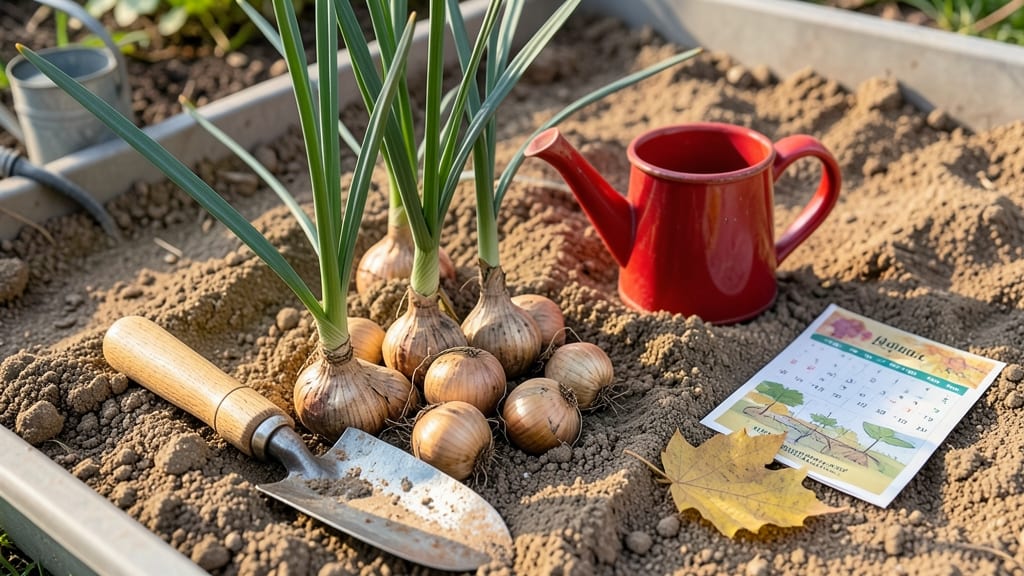
Planting freesia bulbs at the wrong time in Zone 5 could mean waiting months for those fragrant 🌸 blooms—or worse, watching them rot before spring. The secret to success lies in understanding your region’s chill-hour requirements and nailing the late summer to early fall window.
Most gardeners in Zone 5 rush to plant too early, only to face soggy, moldy bulbs. But timing isn’t just about dates—it’s about soil temperature and frost predictions.
I’ll show you exactly when to tuck those bulbs into the ground for show-stopping spring color, plus how to adjust for early or late frosts.
You’ll learn the 3 key signs your planting window is perfect (or a disaster waiting to happen), plus foolproof soil prep and spacing tricks. Whether you’re a first-time freesia grower or a seasoned pro, these insights will save you from common mistakes that kill blooms before they begin.
Ready to transform your garden into a fragrant paradise? Let’s dive into the precise timing and care your freesias deserve—so you can enjoy their sweet scent come May.
Zone 5 freesia planting timeline: chill-hour requirements explained
Freesias thrive in Zone 5 when planted at the perfect moment—typically 6-8 weeks before the first frost. This window ensures they get enough chill hours (below 40°F) to trigger spring blooms.
For most of Zone 5, that means late August to early September, but timing shifts slightly depending on your exact location.
Northern Zone 5 (e.g., Minnesota, Wisconsin) needs to plant earlier (August) due to colder winters, while southern areas (e.g., Kentucky, Missouri) can wait until early September. Use your average first frost date as your anchor—aim to plant 6-8 weeks before those temperatures drop consistently.
Freesias require 6-8 weeks of chill hours (temperatures below 40°F) to break dormancy. Too little chill, and they’ll fail to bloom; too much, and they may rot before spring.
Zone 5’s climate makes this tricky—balancing soil warmth (ideal: 60-70°F) with air temperatures (below 70°F at night) is key.
Here’s how to check your local chill-hour needs: Use a garden thermometer to track nights below 40°F. If your area gets fewer than 6 weeks of chill, consider forcing bulbs indoors in winter for earlier blooms. For most of Zone 5, though, outdoor planting works beautifully.
🌱
🌡️ Zone 5 Freesia Planting Timeline Comparison
| Zone 5 Region | Ideal Planting Window | Chill-Hour Goal | Soil Temp at Planting |
|---|---|---|---|
| Northern Zone 5 (e.g., Minneapolis, Madison) | Late August | 8 weeks below 40°F | 60-65°F |
| Central Zone 5 (e.g., Chicago, Des Moines) | Early to mid-September | 7 weeks below 40°F | 60-70°F |
| Southern Zone 5 (e.g., St. Louis, Kansas City) | Mid-September | 6 weeks below 40°F | 65-70°F |
Pro Tip: Test soil temp with a thermometer—it should be 60°F or cooler at planting time. Warmer soil = higher rot risk.
If your area has unpredictable early frosts, err on the side of planting later. Freesia bulbs can handle light frosts (28-32°F) once planted, but soil should stay above freezing for 4-6 weeks post-planting. Use mulch (3-4 inches) to insulate bulbs if winter arrives early.
For container gardening, plant in well-draining pots and move them to a protected spot (garage, shed) if temperatures drop below 20°F. Containers warm up faster in spring, giving freesias a head start on blooming.
Watch for premature sprouting—a red flag that you planted too early. If shoots appear in late summer, cover the bed with mulch or move containers to a shady, cool spot until temperatures stabilize. This prevents frost damage to tender new growth.
🌿
To maximize blooms, choose early-maturing varieties like 'Blue Bird' or 'Margaret', which thrive in Zone 5’s shorter growing season. Late varieties (e.g., 'Pink Parfait') may struggle to bloom if planted too late—stick to early-to-mid September for those.
Finally, mark your planting date and track chill hours with a garden journal. Over time, you’ll refine your timing for perfect spring freesia displays—every gardener’s reward for nailing the fall schedule!
Zone 5 freesia planting timeline: chill-hour requirements explained
Freesia bulbs need 6-8 weeks of chill-hours—temperatures below 40°F (4°C)—to trigger blooming. In Zone 5, this means planting between mid-August and mid-September, depending on your last frost date. Early fall planting ensures bulbs establish roots before winter, while late planting risks insufficient chilling for spring blooms.
Your exact planting window hinges on local frost dates and soil temperatures. Check your area’s average first frost (typically October 15 in Zone 5) and count backward. Aim to plant 6-8 weeks before sustained cold snaps below 40°F (4°C).
For example, if your first frost hits October 15, plant by September 1.
Use this chill-hour rule as your guide: Freesia bulbs planted too early (before August 15) may rot in warm soil, while planting after September 15 risks insufficient chilling.
Adjust based on your microclimate—northern Zone 5 areas (like Chicago) can plant slightly later, while southern Zone 5 (like St. Louis) should plant earlier.
| Factor | Zone 5 Early Planting (Before Aug 15) | Zone 5 Ideal Planting (Aug 15 - Sep 15) | Zone 5 Late Planting (After Sep 15) |
|---|---|---|---|
| Soil Temperature | Too warm (>60°F) | Ideal (50-60°F) | Cooling (<50°F) |
| Chill-Hours Risk | Insufficient (may not bloom) | Optimal (6-8 weeks) | High (may rot) |
| Root Establishment | Slow (weak roots) | Strong (6-8 weeks) | Limited (frost risk) |
| Bloom Timing | Delayed or sparse | On-time (May-June) | Late or none |
| Solution | Wait until soil cools | Plant as-is | Use mulch for insulation |
To protect your freesia bulbs from Zone 5’s temperature swings, use a mulch blanket of 4-6 inches of straw or shredded leaves after planting. This insulates soil, preventing freeze-thaw cycles that can heave bulbs out of the ground.
In northern Zone 5, add a lightweight row cover in late fall for extra protection.
Monitor soil temperatures with a thermometer—ideal planting conditions occur when soil reaches 50-60°F (10-15°C). If temperatures stay above 65°F (18°C) for more than a week, delay planting until conditions improve. This simple check prevents premature sprouting, which weakens bulbs before winter.
Pro tip: Store bulbs in a cool, dark place (like a garage) if your soil stays too warm.
Plant them as soon as temperatures drop, even if it’s slightly later than the ideal window. Timing flexibility is key in Zone 5’s variable climate—adjust based on your local microclimate, not just the zone average.