
Plants
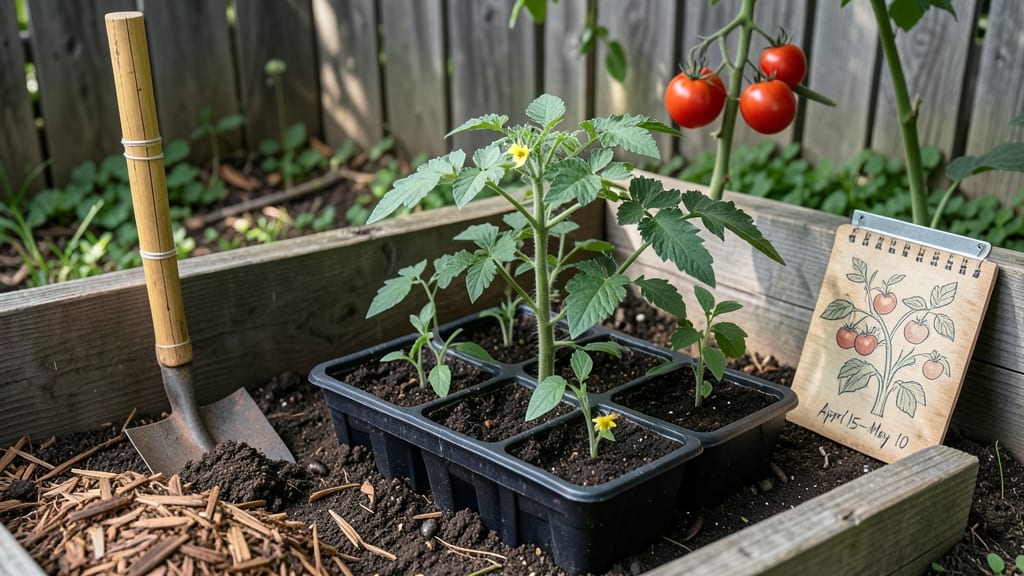
Timing when do you plant the tomatoes in South Carolina isn’t just about the calendar—it’s about knowing whether you’re in the coastal breeze or inland heat, because getting it wrong can mean the difference between a bumper crop and wasted effort.
Most gardeners in USDA Zones 7b-8b reach for their seeds in spring, but here’s the catch: coastal areas like Charleston have earlier frost risks than the Upstate, where the soil warms faster.
That’s why I’ve broken down the exact windows—mid-March to May for spring plantings and late July to August for fall harvests—to help you avoid common mistakes.
You’ll learn how to read your local microclimate, from soil temperature tricks to heat-tolerant varieties that thrive in South Carolina’s long summers. Whether you’re a first-time gardener or a seasoned pro, these region-specific tips will ensure your tomatoes ripen just in time for your table.
Let’s dive into the step-by-step timing that’ll have you harvesting from June to October—no guesswork, just guaranteed success.
South Carolina tomato planting calendar: coastal vs inland timing for frost-free success
South Carolina’s three distinct climate zones—coastal, Piedmont, and Upstate—create wildly different tomato planting windows. In Zone 8a coastal areas like Charleston, you can start seeds indoors as early as mid-February, while Upstate Zone 7b gardeners should wait until late March to avoid frost damage.
The key? Soil temperature must hit 55°F+ before transplanting seedlings outdoors.
Most SC gardeners aim for two planting windows: spring (March–May) for summer harvests and fall (July–August) for late-season tomatoes. But timing isn’t one-size-fits-all—microclimates (like urban heat islands) can shift your schedule by 2–3 weeks.
For example, Greenville’s inland heat often lets you plant 10–14 days earlier than nearby Myrtle Beach’s coastal breeze.
🌱 Pro Tip: Use a soil thermometer to confirm readiness—cold soil slows root growth and invites early blight. Aim for 60°F+ at 4 inches deep before planting.
| Region | Last Frost Date | Indoor Seed Start | Outdoor Transplant | Direct Sow | Heat-Tolerant Variety |
|---|---|---|---|---|---|
| Coastal (Zone 8a) | Feb 15–Mar 1 | Mid-Feb | Mar 20–Apr 15 | Apr 1–Apr 30 | 'Solar Fire' |
| Piedmont (Zone 7b) | Mar 1–Mar 15 | Late Feb | Apr 1–Apr 15 | Apr 15–May 1 | 'Celebrity' |
| Upstate (Zone 7a) | Mar 15–Mar 31 | Early Mar | Apr 15–May 1 | May 1–May 15 | 'Heatmaster' |
*Fall planting follows the same timeline but reversed (July–August for transplanting).
For spring planting, coastal gardeners should transplant seedlings by April 15 to avoid late frost, while Upstate gardeners can wait until May 1. Direct-sowing (planting seeds outdoors) works best 2–4 weeks after your last frost date—so April 1 for Charleston but May 1 for Greenville. Black plastic mulch can push your window 10–14 days earlier by warming the soil faster.
Don’t overlook fall planting! July–August sowings yield tomatoes in September–October, beating the humidity and pests of summer. Use shade cloth (30–50%) to protect seedlings from sunscald during these hot months. Heat-set varieties like 'Better Boy' or 'Arkansas Traveler' thrive in SC’s late-summer heat.
🌡️ Warning: Planting too early in clay-heavy soil (common in Piedmont) causes root rot. Amend with compost or sand to improve drainage. Coastal gardeners should also watch for salt buildup in soil near the ocean.
Extend your season with row covers or cold frames—these can add 2–3 weeks to your harvest window. For example, Charleston gardeners using row covers might harvest until mid-November instead of October. Just remove covers by late May to prevent heat stress.
Track your local frost dates using the SC State Climate Office or USDA Plant Hardiness Zone Map.
Even a 28°F night can kill young tomato plants, so protect seedlings with frost cloth if late frosts sneak in. Urban gardeners in cities like Columbia often have warmer microclimates—test your soil and adjust accordingly.
Finally, succession planting every 2 weeks ensures a continuous harvest. For example, plant one batch in April, another in May, and a final one in July for a June–October feast. Cherry tomatoes like 'Sweet 100' ripen fastest (55–60 days), making them ideal for staggered plantings.
5 Critical Factors that determine your Exact Tomato Planting Date in SC
South Carolina’s microclimates can shift your ideal tomato planting date by 3–4 weeks. A coastal Charleston garden might be ready in early April, while Upstate Greenville’s clay-heavy soil needs to warm to 60°F+—often not until late April. These 5 key factors will help you pinpoint the perfect moment for your specific location. Your last frost date is just the starting point. Check your USDA Zone 7b–8a (most of SC), but also account for urban heat islands (cities like Columbia warm faster) and elevation shifts (mountainous areas like Caesars Head frost later). Use the SC State Climate Office’s frost maps for hyper-local precision.- Planting too early in cold, wet soil → damping-off disease.
- Skipping hardening off seedlings → transplant shock.
- Ignoring succession planting → missed harvest windows.
Pro tip: If your last frost date is March 15 but your soil stays cold, try direct-sowing seeds in biodegradable pots to avoid disturbing roots. This buys you 10–14 extra days of flexibility. Pair this with row covers for frost protection until nighttime temps stabilize above 50°F.
🌱