
Plants
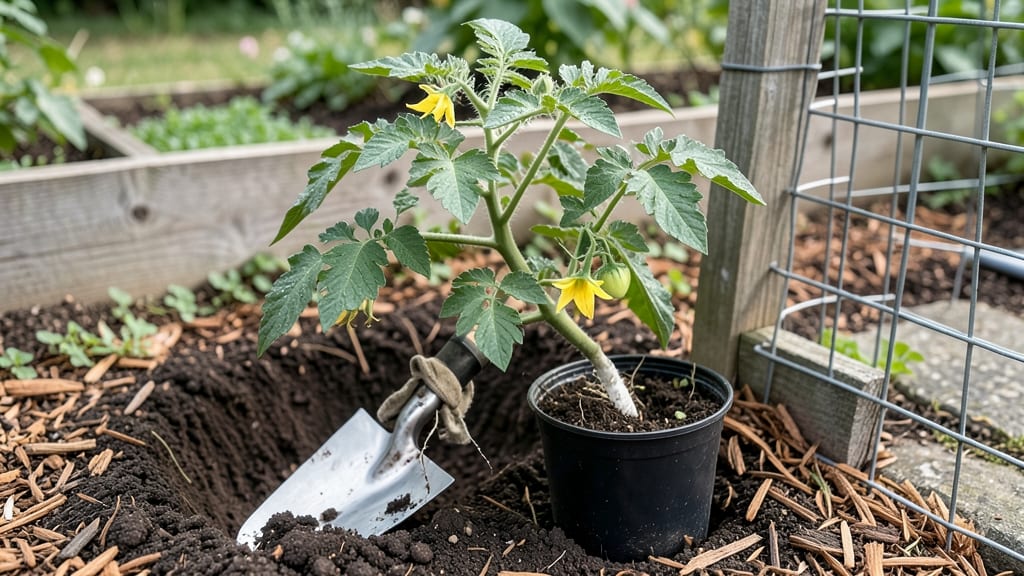
Planting tomatoes in Arkansas at the wrong time could mean the difference between a garden bursting with 🍅 and a sad, wilted disappointment. The key to success lies in understanding your local climate—where late frosts can strike well into April, and summer heat arrives faster than you think.
I’ve learned the hard way that Arkansas’s 7a-8a zones demand precision. Waiting until after the last frost (usually around April 15) is critical, but even then, microclimates across Little Rock, Fayetteville, or Texarkana can shift your ideal window by weeks.
Whether you’re starting seeds indoors or transplanting young plants, timing matters more than most gardeners realize.
In this guide, I’ll break down exactly when to plant for maximum yield—whether you’re aiming for early spring harvests or pushing your season into fall. You’ll discover how to adjust for Arkansas’s unpredictable weather, from soil prep to choosing the right varieties that thrive in our short growing season.
Ready to grow tomatoes that actually ripen? Let’s get started with the best planting schedule tailored just for Arkansas gardeners like you.
Arkansas planting Zones and ideal tomato planting dates by month
Arkansas spans USDA Zones 6a-8a, meaning frost dates vary dramatically from the Ozark Mountains (Zone 6a) to the Delta region (Zone 8a).
For tomato success, timing is everything—plant too soon, and a late frost will kill your seedlings; too late, and your plants may not mature before Arkansas’ brutal summer heat.
Here’s your zone-by-zone planting calendar for heirloom, cherry, and beefsteak varieties, based on 20-year frost data from the Arkansas Cooperative Extension Service.
In Northern Arkansas (Zones 6a-7a), like Fayetteville and Rogers, the last spring frost typically occurs around April 15, while Southern Arkansas (Zones 7b-8a), including Little Rock and Texarkana, sees frost-free conditions by March 20.
This 3-week difference means gardeners in the north should wait until mid-April, while southerners can plant as early as late February in greenhouses or early March outdoors.
🌱 Pro Tip: Use the "10-day rule"—wait until the 10-day forecast shows no frost risk before transplanting seedlings. Check the National Weather Service’s Little Rock office for real-time updates.
| Zone | Avg. Last Frost | Ideal Transplant Window | Best Varieties | Harvest Window |
|---|---|---|---|---|
| 6a (NW AR: Ozarks) | April 15 | April 20 - May 5 | 'Celebrity', 'Mountain Merit' | July - September |
| 7a (Central AR: Little Rock) | March 25 | March 30 - April 15 | 'Better Boy', 'Solar Fire' | June - October |
| 7b (SW AR: Fort Smith) | March 15 | March 1 - March 20 | 'Early Girl', 'Patio' | May - November |
| 8a (SE AR: Texarkana) | February 28 | February 15 - March 10 | 'Heatmaster', 'SunGold' | April - December |
For container gardening in urban Arkansas (e.g., Little Rock, Fayetteville), start seeds 6-8 weeks before your last frost date. In Zone 7a, that means February 1 for a mid-April transplant. Use 5-gallon pots or larger to accommodate indeterminate varieties, which can grow 6+ feet tall.
If you’re direct-sowing seeds (not transplanting), Arkansas’ soil temperature must reach 60°F—typically mid-April in the north and early March in the south. Use a soil thermometer to confirm. Cold soil delays germination by 2-3 weeks.
In humid Arkansas summers, heat-loving varieties like 'Heatmaster' or 'Solar Fire' thrive in Zones 7b-8a, while early-maturing types like 'Early Girl' are safer bets in Zone 6a. For fall harvests, plant transplants in late July
How Arkansas’ microclimates affect tomato planting success
Arkansas’ varied geography—from the Ozark Mountains to the Mississippi Delta—creates microclimates that shift tomato planting windows by 1-3 weeks.
Higher elevations like Eureka Springs (Zone 7a) experience cooler springs and later last frosts, while river valleys like the Arkansas River Basin (Zone 8a) warm up faster, allowing earlier planting.
Urban areas like Little Rock face heat islands that can push planting dates back slightly, while rural spots benefit from natural cooling breezes. Even a 500-foot elevation change can mean 10-14 days difference in frost-free dates—critical for Arkansas’ short 190-day growing season.
Humidity spikes in summer months (June-August) demand disease-resistant varieties like ‘Celebrity’ or ‘Better Boy,’ while drought-prone northwest Arkansas needs mulching to retain moisture. Solar Fire, a heat-tolerant heirloom, thrives in Zone 8a’s longer summers but may struggle in Zone 7a’s shorter season.
- 🏔️ Mountain Zones (7a): Plant May 1-15 (last frost often April 15)
- 🌊 River Valleys (8a): Plant April 15-May 1 (soil warms 2 weeks earlier)
- 🏙️ Urban Heat Islands: Delay planting 3-5 days to avoid heat stress
- 🌬️ Wind-Prone Areas: Use windbreaks or stakes for support
- 🌧️ Humid Zones: Choose disease-resistant varieties (e.g., ‘Mountain Merit’)
For northern Arkansas (Zone 7a), prioritize early-maturing varieties like ‘Early Girl’ (60 days) to beat first frost in November. In southern Arkansas (Zone 8a), you can push fall planting until August 15 for a second harvest before frost.
Use the Arkansas Cooperative Extension Service’s frost maps to pinpoint your local last frost date. For example, Fayetteville’s average last frost is April 5, while El Dorado’s is March 15—a 3-week difference that impacts transplant timing.
Pro tip: Monitor soil temperatures with a soil thermometer—tomatoes thrive when soil hits 60°F. In cooler microclimates, use black plastic mulch to warm soil 5-10°F faster and extend the growing season by 2-3 weeks.