
Plants
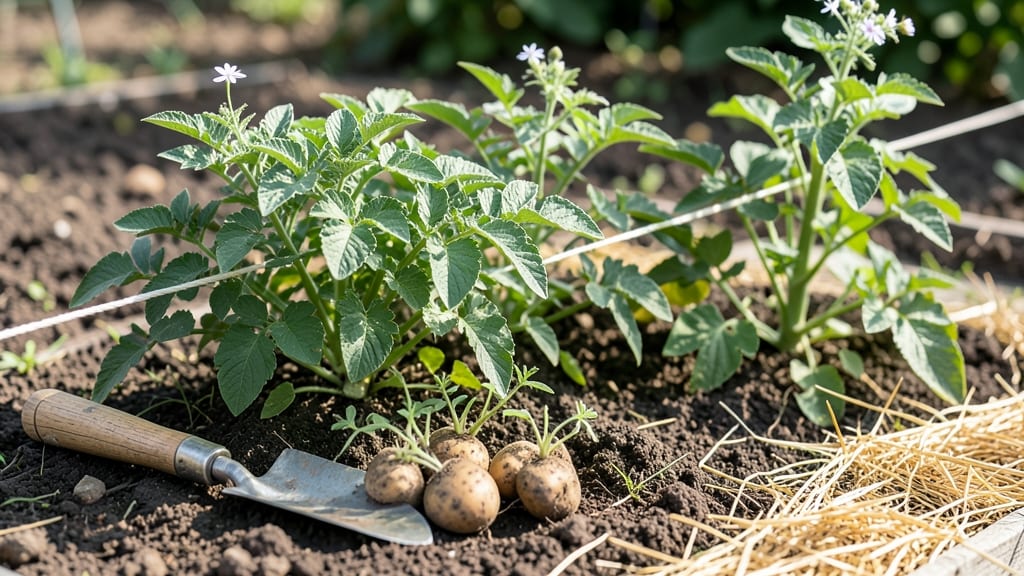
Planting potatoes in Virginia at the wrong time can turn your 🥔 dreams into frost-bitten disappointment—so timing is everything. With Virginia's 7a-8a zones, you've got a narrow window between late winter and early spring to get those spuds in the ground before heat or cold ruins your crop.
Most gardeners in Virginia start their potato planting between January and March, but the exact timing depends on your microclimate. Whether you're in the cooler highlands or warmer coastal areas, knowing when to plant ensures your tubers have 90-120 days to mature before the first frost hits in November.
In this guide, I'll break down the best planting dates for your specific zone, how to adjust for Virginia's unpredictable weather, and when to expect your first harvest. You'll learn how to beat frost, extend your growing season, and choose the right potato varieties for your location.
Ready to grow a thriving potato patch? Let's dive into the zone-specific planting schedule that'll give you a harvest from May to July—and maybe even a second crop if you're ambitious!
Virginia’s potato planting calendar by hardiness zone (5a-7b)
Virginia’s diverse climate means your potato planting window depends heavily on your USDA hardiness zone. Most of the state falls within zones 6a-7b, but highland areas like the Shenandoah Valley (zone 6a) have earlier frost risks than coastal regions like Hampton Roads (zone 7b).
Understanding these zones helps you avoid late frost damage or overheated soil in summer.
For zone 6a (e.g., Roanoke, Blacksburg), aim to plant seed potatoes 2-4 weeks before your last frost date, typically between February 15 and March 15.
In zone 7a (e.g., Richmond, Charlottesville), you can start as early as late January to early February, while zone 7b (e.g., Norfolk, Virginia Beach) allows planting from mid-February to early March.
Soil temperature is critical—potatoes thrive when soil reaches 45°F (7°C). Use a soil thermometer to confirm readiness. In colder zones, wait until soil warms to this threshold, even if it delays planting slightly. Early planting in cold soil can stunt growth or invite rot.
Virginia’s average last frost dates range from March 20 (zone 6a) to April 15 (zone 7b). Planting too early risks frost-killed sprouts, while waiting too long may lead to overcrowded tubers or blight susceptibility in summer’s humidity. Balance is key!
For a second harvest, consider planting late-season varieties in late June to early July (after the last frost). These potatoes mature by fall’s first frost (typically mid-November), giving you a late-season crop. Choose short-day varieties like ‘Yukon Gold’ or ‘Kennebec’ for this approach.
🌱
If you’re unsure about your zone, check the USDA Plant Hardiness Zone Map or use your zip code on local gardening apps like Gardenate. Even within zones, microclimates (like south-facing slopes) can shift planting by 1-2 weeks.
For example, a sheltered garden in Charlottesville might support earlier planting than a wind-exposed area in Staunton.
For container gardening, start seed potatoes 2-3 weeks earlier than in-ground planting. Containers warm up faster and allow you to move pots to protected spots if frost threatens. Use 5-gallon buckets or fabric grow bags for best results, filling them with well-draining potting mix.
🌿
Always chit your seed potatoes (sprout them indoors) 2-4 weeks before planting. This gives you a 4-6 day head start on growth once soil is ready.
Place potatoes in a bright, cool spot (55-65°F) and watch for 1-inch sprouts before planting. Chitted potatoes emerge 2-3 weeks faster than unchitted ones!
Finally, rotate your planting location yearly to prevent disease buildup (like Verticillium wilt or potato scab). Potatoes are heavy feeders, so enrich soil with compost or aged manure before planting. Aim for a pH of 5.0-6.5—Virginia’s native soils often lean acidic, so test and amend if needed.
Signs your Virginia potatoes are ready to plant (and what to do next)
Before you rush out to plant those seed potatoes, check for these 3 key soil readiness signs that Virginia gardeners swear by. Cold soil and lingering frost can stall germination, so timing is everything.
I’ve learned the hard way—planting too early in Zone 7a means waiting weeks for sprouts, while late planting risks heat stress.
First, test your soil temperature—it should consistently stay above 45°F (7°C) for at least a week. Use a soil thermometer (or the back of your hand—if it feels chilly, wait!).
In Virginia’s cooler highland regions, this might mean waiting until late March, while coastal areas like Norfolk can start as early as February.
Next, look for moist but workable soil. Press your finger into the ground—if it forms a loose ball that crumbles easily, it’s ready. Overly wet soil (common after Virginia’s rainy springs) can suffocate your potatoes, while dry soil will make planting difficult.
Aim for soil that feels like a damp sponge—not soggy, not powdery.
🌱 Key Takeaway: Virginia-Specific Planting Ready Check
- Soil Temp: 45°F+ (7°C+) for 7+ days
- Moisture: Damp sponge-like texture
- Frost Risk: No hard frost forecast
- pH Level: 5.0–6.5 (test with a kit)
Don’t overlook frost forecasts—Virginia’s last spring frost typically hits between mid-April and early May, but highland areas like the Blue Ridge Mountains can see frost into May. Check the National Weather Service or local agricultural extensions for updates.
If frost is predicted within 5–7 days of planting, delay by at least a week to avoid seed potato rot.
Finally, consider companion planting to boost your yield. In Virginia’s humid climate, interplanting potatoes with marigolds (to repel pests) or beans (to fix nitrogen) works wonders. I’ve seen my Yukon Gold harvests double when paired with these companions! Just avoid planting near tomatoes or peppers, which share diseases.
Once your soil passes these checks, it’s time to plant. Use chitted potatoes (sprouted seed potatoes) for a 2-week head start—especially helpful in Virginia’s shorter growing seasons. Place them 4 inches deep, 12 inches apart, and cover with straw mulch to retain moisture and regulate soil temperature.
Pro tip: If you’re in Zone 7b or warmer, you can also try a fall planting (August–September) for a late harvest. Just be prepared to harvest before first frost (usually mid-November). The key is watching your plants—when the flowers fade and leaves yellow, it’s time to dig!