
Flowers
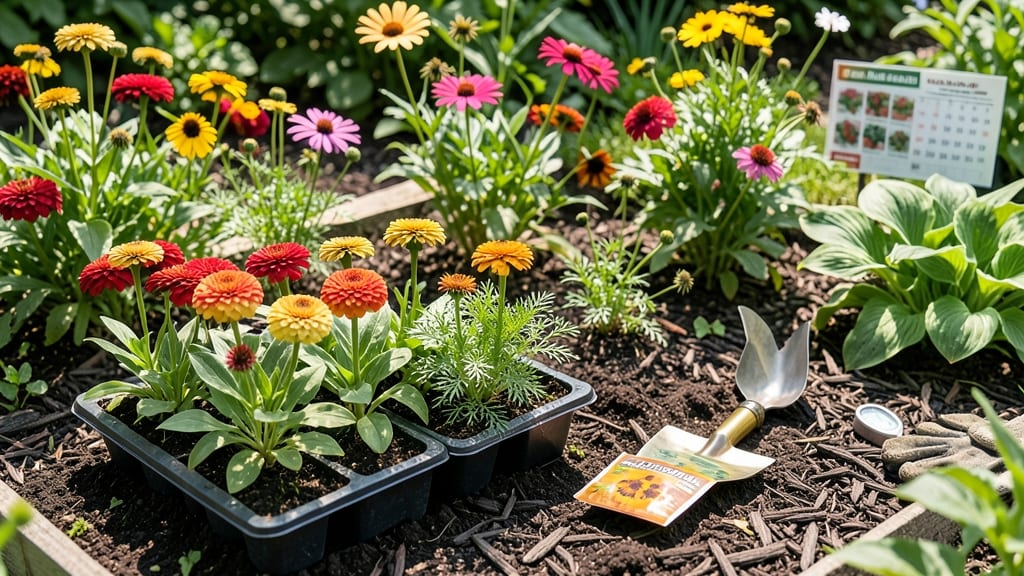
Timing your 🌸 flower planting in New England can make or break your garden’s success—one late frost and those delicate blooms are history. The key isn’t just waiting for spring; it’s knowing your exact USDA zone and how local microclimates (like coastal vs. inland) shift those deadlines.
Most gardeners in Zones 5b-6b aim for late April to early June, but that’s just the start. Fall planting in late August or September gives perennials a head start, while annuals need the soil to warm up first.
I’ll break down the perfect windows for every type of flower—so you can avoid the common mistakes that leave gardens looking half-empty.
You’ll also discover how to adjust for New England’s quirks: urban heat islands, high-altitude chill, and coastal breezes that can delay frost. With these zone-specific tips, you’ll plant with confidence—no more guessing games or wilted dreams.
Ready to transform your garden? Let’s dive into the exact dates, soil prep tricks, and care secrets that’ll keep your 🌸 flowers thriving from spring to fall.
New England planting deadlines by USDA hardiness Zone (5-7)
New England’s USDA Zones 5-7 create a delicate balance between early springs and late frosts. Missing your planting window by even a week can leave tender blooms vulnerable. I’ve broken down the critical deadlines for annuals, perennials, and bulbs so you can time your garden like a pro.
Most gardeners in Zone 5b (e.g., Burlington, VT) should aim for late May planting after the last frost, while Zone 6b (e.g., Portland, ME) can start as early as mid-April. Zone 7 (e.g., Providence, RI) enjoys the longest growing season, with March-April starts for cool-season crops.
Fall planting is equally critical—late August to mid-September gives perennials time to establish roots before winter. Coastal areas like Martha’s Vineyard may extend this window by 2-3 weeks due to milder temperatures.
| Zone & Location | Spring Planting Window | Fall Planting Window | Last Frost Date (Avg.) |
|---|---|---|---|
| Zone 5b (Burlington, VT) | Late May - Early June | Late August - Early September | May 10-20 |
| Zone 6a (Portland, ME) | Mid-April - Early May | Mid-August - Late September | April 20-May 5 |
| Zone 6b (Boston, MA) | Early April - Mid-May | Late August - Mid-October | April 15-30 |
| Zone 7 (Providence, RI) | March 15 - April 15 | September 15 - October 15 | March 20-April 10 |
| Coastal (Martha’s Vineyard) | Late March - Early May | Late September - Early November | March 25-April 15 |
🌱 Pro Tip: Use a frost calendar from your local Cooperative Extension office for hyper-local adjustments.
For annual flowers, wait until after the last frost—typically mid-May in inland areas but early April along the coast. Perennials like coneflowers and black-eyed Susans thrive when planted in spring or early fall, while bulbs (e.g., daffodils, tulips) should go in fall for spring blooms.
Urban gardeners in heat islands (e.g., Downtown Boston) may need to plant 1-2 weeks earlier than rural areas. Monitor soil temperatures—50°F+ is ideal for most seeds and transplants.
If you’re unsure about your exact last frost date, err on the side of caution. Row covers can extend your season by 2-4 weeks for early plantings, while cold frames protect tender starts until May 15 in most zones.
Remember: Fall-planted perennials establish stronger roots before winter, leading to earlier and bigger blooms next season. Don’t skip this window!
For a foolproof approach, mark your calendar with these zone-specific deadlines and set reminders. Your summer garden will thank you with vibrant, long-lasting blooms—not frost-nipped failures. 🌸
How to adjust planting times for New England’s microclimates
New England’s diverse microclimates can shift planting deadlines by weeks—even within the same USDA Zone. Coastal areas like Portland, ME often enjoy 2-3 warmer weeks than inland spots like Burlington, VT, while urban gardens in Boston may bake under heat islands that delay frost.
Understanding these variations lets you extend your season or avoid late frosts that nip tender blooms.
High-altitude gardens above 1,000 feet (think White Mountains) face cooler temps year-round, while valleys like Connecticut’s Farmington can be 5–10°F warmer. Even a south-facing slope warms up faster than a north-facing yard, creating micro-zones where pansies thrive while marigolds struggle.
The key? Localize your approach using tools like frost-free date trackers and soil thermometers.
🌡️ 5 Microclimate Adjustments for New England Gardeners
- 📍 Coastal Areas: Plant 2 weeks earlier (warmer ocean currents delay frost). Example: Portland, ME (Zone 5b) can plant pansies in early April.
- 🏙️ Urban Heat Islands: Wait 1 week later for heat-lovers like lantana (soil stays warmer). Boston’s Back Bay can support tropical flowers 10 days longer.
- ⛰️ High Altitude (1,000+ ft): Shift all deadlines 2 weeks later. Mount Washington area (Zone 4) may need row covers until June 15.
- 🌿 North-Facing Yards: Start shade-tolerant annuals (e.g., impatiens) 3 weeks earlier to beat competition from trees.
- 🌞 South-Facing Slopes: Plant sun-lovers (e.g., black-eyed Susans) 1 week earlier—soil warms 2–3°F faster.
To fine-tune your schedule, use row covers or cold frames to protect early plantings. These tools can extend your spring window by 3–4 weeks, letting you sow cold-hardy annuals like snapdragons in March instead of waiting for April.
Just remove covers when flowers start blooming to prevent heat stress. For fall, black plastic mulch warms soil and buys 2–3 extra weeks for pansies or calendulas.
Monitor local trends by checking NOAA frost maps or your local cooperative extension service. For example, Hartford, CT (Zone 6a) averaged May 12 for last frost in 2023 but saw May 25 in 2022—a 13-day swing!
Keep a gardening journal to track your yard’s patterns. If you’re new to a home, ask neighbors about their successful planting dates—their insights often reveal hidden microclimate secrets.
For container gardens, adjust timing too: potted flowers heat up faster in sun and dry out quicker. Move tender annuals (like geraniums) to shadier spots by mid-July to avoid scorching.
In Zone 5, this might mean swapping out summer-bloomers for heat-tolerant zinnia varieties by August 1 to keep color until frost.
Pro tip: Stagger your plantings by 10–14 days for continuous blooms. For instance, sow cosmos seeds in three batches—May 1, May 15, and June 1—to ensure flowers appear from July through September.
This works especially well for fast-growing annuals like sunflowers or marigolds, which can bolt if planted all at once in New England’s short season.