
Plants
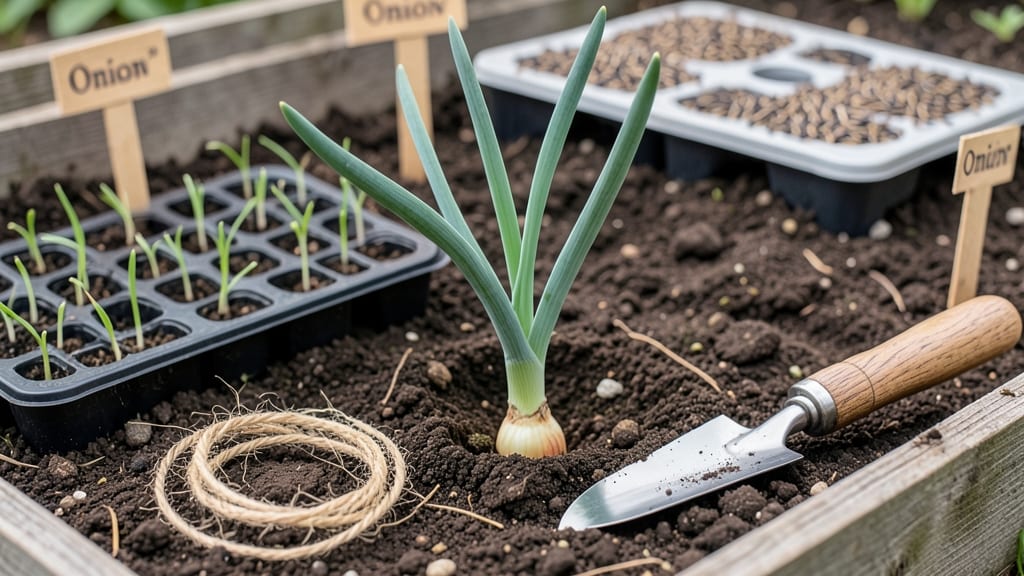
Planting 🧅 onions in Oklahoma isn’t just about timing—it’s about beating the region’s tricky frost dates and summer heat to grow plump, flavorful bulbs. Whether you’re in northern Zone 6a or southern Zone 7b, getting the window wrong means either frozen seedlings or bolting onions that never mature.
Most gardeners in Oklahoma swear by two planting seasons: early spring (March–April) for summer harvests and late summer (August–September) for fall crops. But here’s the catch—your exact dates depend on whether you’re starting seeds indoors, transplanting sets, or direct-sowing, and how your local frost patterns have shifted lately.
I’ll break down the 2024 planting calendar by climate zone, including when to start seeds indoors (as early as February!) and how to adjust for Oklahoma’s unpredictable frost-free periods.
You’ll also learn which onion varieties thrive here—short-day types for Central/South OK and heat-tolerant ones for North—and how to protect your crop from late frosts or early bolting.
Skip the guesswork and plant your 🧅 onions with confidence. By the end, you’ll know exactly when to put those sets in the ground for a harvest that’s both bountiful and stress-free—no more watching your crop wilt in the heat or freeze overnight.
Oklahoma onion planting calendar: exact dates by climate Zone (2024)
Oklahoma’s three distinct climate zones (North, Central, South) create wildly different frost dates, making timing everything for onion success. In Zone 6a (North OK), last frosts average March 15, while Zone 7b (South OK) sees them by April 1.
Miss these windows, and your bulbs may bolt or rot. Let’s break down the perfect planting schedule for each zone, including indoor starts and outdoor transplants.
Onions need 120-150 frost-free days to mature. In Oklahoma, that means starting seeds indoors 8-10 weeks before your last frost or buying sets (small bulbs) ready for direct sowing.
For fall harvests, plant in late August—but only if you’re in Zone 7b with milder winters. North OK gardeners should skip fall plantings entirely.
Here’s your 2024 Oklahoma onion planting calendar, tailored to each zone’s frost dates and heat tolerance. Use this to avoid frost damage and summer bolting—two of the biggest mistakes Oklahoma gardeners make.
For Zone 6a gardeners, focus on early spring plantings (March 20-April 10) and avoid fall risks entirely. In Zone 7b, you’ve got flexibility: plant twice—once in spring and again in late summer for a fall harvest.
The key is soil temperature: onions sprout best when soil hits 40°F+.
If you’re direct sowing sets (pre-grown onions), plant them 2-3 weeks before your indoor-started seedlings. This gives you a staggered harvest and reduces bolting risk. For example, in Oklahoma City (Zone 6b), sow sets March 25-April 15 while transplanting seedlings April 20-May 5.
Watch for summer heat stress after June 15, especially in North OK. Onions bolt (flower prematurely) when temps exceed 85°F for weeks. To prevent this, use shade cloth or plant heat-tolerant varieties like ‘Texas Early White’ or ‘Candy.’
For fall plantings, only attempt them in Zones 7a/7b after August 1. Aim to harvest before first frost (November 15 in Zone 6a, December 1 in Zone 7b). Use black plastic mulch to warm soil and speed up growth in cooler fall months.
Remember: Onion maturity depends on day length. Oklahoma’s short-day varieties (like ‘1015Y Yellow’) perform best in Central/South OK, while long-day types (like ‘Sweet Sandwich’) struggle unless you start them early. Match your variety to your zone to avoid bitter, small bulbs.
🌱
How to adjust onion planting for Oklahoma’s unpredictable frost patterns
Oklahoma’s unpredictable frost dates can turn a promising onion harvest into a disappointing loss. Unlike more stable climates, our last spring frost can vary by 2-3 weeks between years, making timing critical. The key is to adjust your planting strategy based on historical frost patterns and real-time forecasts.
Start by checking your USDA hardiness zone—most of Oklahoma falls in Zone 6a-7b. In Zone 6a (northern OK), the average last frost is March 15, while Zone 7b (southern OK) typically sees frost-free conditions by April 1.
However, late frosts can push these dates back by weeks, so flexibility is essential.
Here’s my proven frost-mitigation plan for Oklahoma gardeners: plant early (February-March) with row covers ready, and have a backup plan for late frosts. If you’re in Zone 6a, consider starting seeds indoors in January to give seedlings a head start before transplanting after the last frost.
⚠️ Frost Warning: Common Mistakes to Avoid
- Planting too late: Onions need 120-150 days to mature. If planted after April 15, bulbs may not fully develop before summer heat.
- Ignoring microclimates: Low-lying areas frost earlier. Plant uphill or near heat-retaining structures like brick walls.
- Skipping row covers: A lightweight frost cloth can protect seedlings down to 20°F, buying you extra time.
🌱 Pro Tip: Use a frost calendar from your local Cooperative Extension Service for hyper-localized dates.
For fall-planted onions, aim for August-September sowing in southern OK (Zone 7b) or late July-August in northern OK (Zone 6a). These onions mature before the first frost in November-December, giving you a second harvest.
Use short-day varieties like ‘Texas Early White’ or ‘Red Creole’, which thrive in Oklahoma’s heat and produce bulbs before summer stress sets in.
Monitor weekly frost forecasts from the National Weather Service or apps like Frost Alert. If a late frost is predicted after transplanting, cover seedlings with row fabric or even old blankets.
Remove covers during the day to prevent overheating. This dual-layer protection can save your crop when temperatures dip unexpectedly.
Finally, overplant by 20% to account for frost loss. Onions are forgiving—even if a few seedlings die, you’ll still have enough for harvest. Thin to 2-3 inches apart once they’re pencil-sized, and watch for bolting (flowering), which happens when days get too long.
If your onions bolt, harvest the green tops for scallions instead of waiting for bulbs.
With these adjustments, you’ll beat Oklahoma’s frost gamble and enjoy a reliable onion harvest year after year. The secret? Stay flexible, use protective tools, and know your local frost history like the back of your hand. 🌱