
Plants
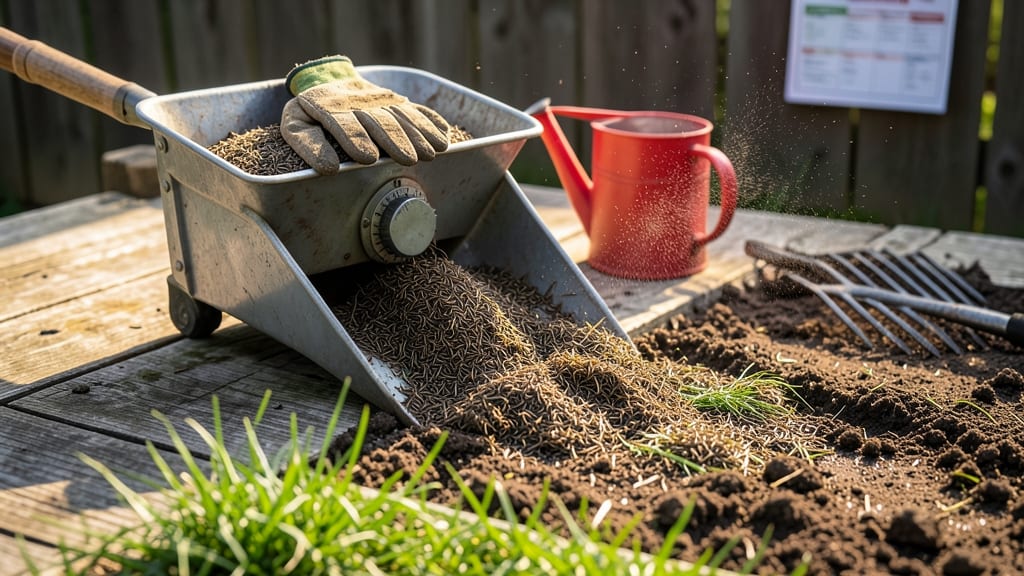
Planting grass seed in the fall isn’t just about timing—it’s about giving your 🌱 lawn the best shot at deep, resilient roots before winter sets in. The 6-week window before the first frost is your golden opportunity to transform a patchy yard into a thick, green carpet by spring.
Why does this timing matter so much? Cool fall temperatures and shorter daylight hours actually help grass seed germinate more evenly and establish stronger roots than spring planting. But miss the window, and you risk weak growth or even seed loss when frost hits.
Let’s break down exactly when to plant in your zone and how to prepare your soil for success.
From soil testing to aeration and seed selection, the prep work is just as critical as the planting date. I’ll walk you through the key steps to maximize germination and avoid common mistakes that can turn your fall project into a spring disappointment.
Whether you’re in USDA Zone 6a or a warmer region, knowing the right time to plant grass seed in the fall could save you months of frustration. Ready to get started? Let’s dive into the details that make all the difference.
The ideal 6-Week pre-frost window for fall grass seed planting
Fall is the perfect time to plant grass seed because cooler temperatures and increased rainfall create ideal conditions for seed germination and root growth. The 6-week pre-frost rule is your golden window—plant too early, and weeds take over; too late, and young roots won’t establish before winter.
Aim for 4-6 weeks before your first frost date to give seedlings time to develop strong roots.
Your local USDA hardiness zone determines the exact timing. In zones 3-5 (colder climates), this typically means late August to early September. Gardeners in zones 6-8 have until mid-to-late October.
Check your average first frost date (via the USDA Plant Hardiness Map) and count backward to find your window.
For example, if your first frost hits October 15, plant between September 1 and September 15. This timing ensures seedlings have 6-8 weeks of warm soil and cool air—ideal for cool-season grasses like fescue and ryegrass, which thrive in fall.
Regional variations matter too. In the South (zones 7-9), where winters are milder, you can extend seeding into November. Meanwhile, Northern gardeners (zones 1-4) should start as early as mid-July to avoid late-season frost risks.
Always prioritize soil temperature—ideal germination occurs when soil stays above 50°F (10°C).
Pro tip: Use a soil thermometer to confirm temperatures. If soil drops below 50°F (10°C), germination slows dramatically. Pair this with consistent rainfall (or irrigation) to keep the top 1-2 inches of soil moist. This combo maximizes your chances of a thick, weed-resistant lawn by spring.
| USDA Zone | Optimal Planting Window | Key Considerations |
|---|---|---|
| Zones 3-5 (Cold Climates) | Late August – Early September | Soil temp >50°F; frost risk by October |
| Zones 6-7 (Temperate) | Mid-September – Mid-October | 6-8 weeks before frost; mild winters |
| Zones 8-9 (Warm Climates) | October – Early November | Soil stays warm longer; extend to November |
| Zones 10+ (Tropical) | September – October | Focus on irrigation; minimal frost risk |
🌱 Note: Adjust for early/late frosts in your microclimate.
Beyond frost dates, watch for local rainfall patterns. If your area experiences dry spells in fall, plan to irrigate consistently. A drip irrigation system or soaker hoses can help maintain moisture without overwatering.
Conversely, if your fall is wet, avoid planting until the soil dries slightly to prevent seed rot.
For cool-season grasses (like tall fescue or Kentucky bluegrass), fall seeding is non-negotiable—they need 60-70 days of growth before winter. Warm-season grasses (e.g., Bermuda or Zoysia) should be planted in late spring, but fall overseeding with ryegrass can provide winter color.
Don’t stress over perfect timing—even a 2-week window can yield great results if you prepare the soil properly. The key is soil prep, seed selection, and post-planting care.
Next, we’ll cover how to test your soil, aerate, and choose the right seed mix for your climate. 🌿
The ideal 6-Week pre-frost window for fall grass seed planting
Fall is the perfect time to plant grass seed because cooler temperatures and increased rainfall create ideal conditions for germination. The 6-week pre-frost rule ensures your grass establishes strong roots before winter dormancy.
This window typically falls between late August and mid-October in most U.S. regions, but exact timing depends on your USDA hardiness zone and local frost dates.
Grass seeds need 4-6 weeks of warm soil and mild air temperatures to germinate and develop a robust root system. Planting too early (like June) risks heat stress, while seeding too late (after frost) leaves insufficient time for root growth.
The goal is to give your lawn a head start before winter slows growth.
| USDA Zone | Optimal Planting Window | Soil Temp (F) | Key Consideration |
|---|---|---|---|
| Zones 3-5 | Mid-August to early September | 55-65°F | Cool nights, avoid late frost |
| Zones 6-7 | Late August to mid-October | 60-70°F | Balanced temps, higher rainfall |
| Zones 8-10 | September to early November | 65-75°F | Warm soil, monitor frost |
To determine your exact planting window, check your average first frost date (available from the National Weather Service or local cooperative extension). Count backward 6 weeks from that date to find your ideal start time.
For example, if frost hits October 15, aim to finish seeding by September 1. This timing ensures your grass has 4-6 weeks of growth before temperatures drop below 40°F.
Regional variations matter: Northern climates (like Zone 4) should plant earlier in August, while Southern zones (like Zone 9) can extend seeding into November. Always choose cool-season grasses (e.g., fescue, ryegrass) for fall planting—they thrive in cooler weather.
Warm-season grasses (like Bermuda) should be seeded in spring or early summer instead.
Pro tip: Use a soil thermometer to confirm ideal conditions—grass seeds germinate best when soil temps stay between 55-75°F. If your area experiences unpredictable weather, err on the earlier side of the window to avoid late-season delays.
With the right timing, your fall-seeded lawn will outperform spring plantings by establishing deeper roots before winter.
Once you’ve nailed the timing, focus on soil preparation and seed selection to maximize germination rates. The next section covers these critical steps in detail.