
Plants
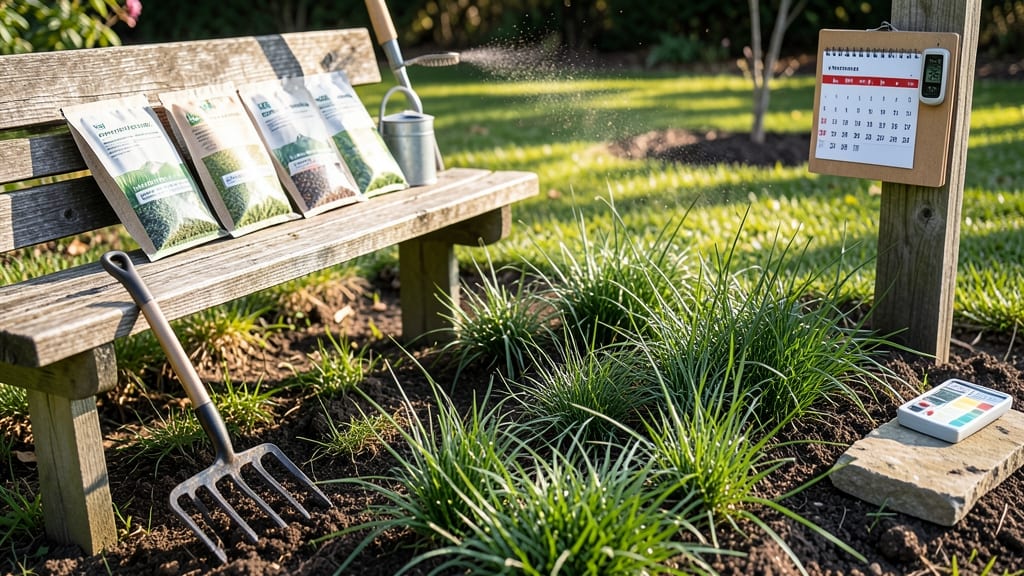
Planting grass seed in Minnesota when is it too late to plant grass seed in Minnesota is a risky gamble—frost can turn your fresh 🌱 seedlings into brittle ice within days.
The exact cutoff depends on your USDA zone (3-5), but most Minnesota lawns face winterkill if planted too late, leaving you with patchy, weak turf that struggles to recover.
You don’t need a degree in meteorology to know when to stop—just a quick check of your local frost dates. In southern Minnesota (Zone 5B), the first frost typically arrives by early October, while northern areas (Zone 3-4) can see frost as soon as late September.
Waiting too long means your grass won’t establish strong roots before winter sets in, leaving it vulnerable to heaving, yellowing, or outright death.
But here’s the good news: you still have options. If you’ve missed the ideal window, we’ll show you how to extend your planting season with cold-hardy varieties, soil prep tricks, and even microclimate hacks to give your grass a fighting chance.
Let’s break down the exact timeline and strategies to save your lawn—before it’s too late.
Whether you’re in the Twin Cities or the Iron Range, knowing these zone-specific deadlines could mean the difference between a lush lawn and a winter of bare spots. Stick with me, and I’ll help you avoid the most common mistakes that turn late plantings into costly regrets.
Minnesota’s last safe grass seed planting dates by Zone 5A/5B
Minnesota’s cool-season grasses like Kentucky bluegrass and fine fescue thrive when planted during optimal windows—but timing is everything. The last safe window for grass seed in Minnesota typically closes between mid-September and early October, depending on your USDA zone. Planting after this risks winterkill before roots establish.
For Zone 5A (northern MN), the cutoff is earlier—around September 15—while Zone 5B (southern MN) can stretch closer to October 10. These dates align with soil temperatures dropping below 50°F, which slows germination and weakens seedlings.
Soil temperature is your best indicator. Use a soil thermometer to confirm readings between 50-65°F—below 50°F, seeds struggle to sprout. In Minnesota, soil temps drop rapidly after mid-September, especially in northern regions.
Minnesota’s first frost dates vary by location. Northern areas (Zone 5A) often see frost by September 20-25, while southern areas (Zone 5B) may hold off until October 5-10. Planting 4-6 weeks before frost ensures seedlings establish roots before winter dormancy.
| Zone | Last Safe Planting Date | First Frost Window | Soil Temp Threshold | Grass Variety Notes |
|---|---|---|---|---|
| 5A (Northern MN) | September 15 | September 20-25 | 50-55°F | Fine fescue (cold-hardy) |
| 5B (Southern MN) | October 10 | October 5-10 | 55-60°F | Kentucky bluegrass (fast-growing) |
| Transition Zones | September 25-October 5 | September 25-October 5 | 50-60°F | Tall fescue (moderate hardiness) |
If you miss these windows, don’t panic—fall overseeding (late August to early September) is still viable. But planting after October 15 in Zone 5A or October 20 in Zone 5B risks seed dormancy or winterkill before roots develop.
For late plantings, focus on cold-tolerant varieties like fine fescue or creeping red fescue. These grasses establish roots faster in cool soils and survive light frosts better than Kentucky bluegrass, which needs warmer conditions to thrive.
Another critical factor is daylength. Minnesota’s shorter days after October 15 reduce photosynthesis, slowing seedling growth. Pair late plantings with row covers or frost blankets to extend the growing season by 2-3 weeks and protect tender shoots.
Pro tip: Check your local Almanac frost dates or use the National Weather Service’s 30-year averages for your specific county. Urban areas like Minneapolis often have 1-2 weeks later frost dates than rural zones due to the urban heat island effect.
Remember, spring planting (early April to mid-May) is your backup. But fall plantings establish 70% stronger roots before winter, making them the preferred method for Minnesota lawns.
How to extend your grass planting window with cold hardiness hacks
Minnesota’s short growing season means every extra day counts when planting grass seed. With the right strategies, you can safely push your planting window later into fall—even past the typical mid-October cutoff.
The key lies in cold hardiness, soil protection, and selecting the toughest grass varieties for your zone.
First, focus on soil temperature—cool-season grasses like Kentucky bluegrass and fine fescue germinate best when soil stays above 50°F. Use a soil thermometer ($10 at garden centers) to check depths of 2-3 inches before planting.
If temps dip below 40°F at night, your seedlings risk frost damage within days.
Here’s how to buy time for late-season planting:
✅ DO THIS to Extend Your Planting Window
❌ AVOID These Mistakes
For Zone 5A (northern MN), aim to plant by September 20th—any later risks winterkill. In Zone 5B (southern MN), you can push to October 1st with frost protection.
Test your soil’s readiness by pressing your finger into it: if it feels cool but not frozen, it’s safe to plant.
Pro tip: If you’re planting in late September, use a seed starter fertilizer (high in phosphorus) to jumpstart root growth. The extra P (phosphorus) helps seedlings develop deeper roots faster—critical for surviving Minnesota’s freeze-thaw cycles.
Remember, even with these hacks, late plantings won’t fully mature before winter. Expect a thin lawn next spring and plan to overseed again in early May. But with the right approach, you’ll give your grass a fighting chance to establish before the snow flies. 🌱