
Plants
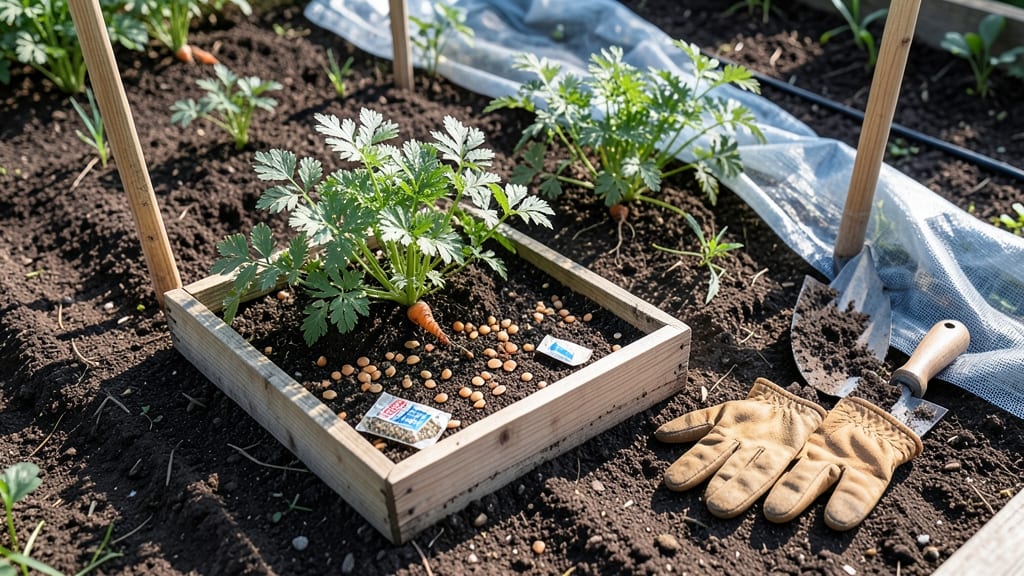
Planting carrots in Louisiana might seem tricky with its long, humid summers, but getting the timing right means the difference between sweet, crisp roots and bitter, woody failures.
The key is to plant 🥕 during the cooler months when soil temperatures stay mild—September through October for fall harvests and February through March for spring.
Why does timing matter so much? Louisiana’s heat can cause carrots to bolt or develop tough, stringy roots if planted too late. By focusing on the ideal frost-free window, you’ll avoid these common pitfalls and enjoy two full harvests a year—one in late fall and another in spring.
I’ve grown carrots in USDA Zones 8a-9b for years, and I’ll share exactly how to adjust your planting schedule based on your region’s microclimate. Whether you’re a first-time gardener or a seasoned green thumb, these tips will help you grow perfect carrots every time.
From soil prep to pest control, I’ll walk you through the step-by-step process so you can confidently plant carrots at the right time and enjoy a bountiful harvest. Let’s get started!
Louisiana carrot planting calendar: best months by region
Louisiana’s climate—with its hot summers and mild winters—means carrots thrive best in cool-season windows. The key is planting when soil temps stay below 80°F to prevent bolting (premature flowering). For most of Louisiana (USDA zones 8a-9b), this means two ideal planting periods: fall and early spring.
Northern Louisiana (e.g., Shreveport) has slightly cooler temps, while southern regions (e.g., New Orleans) face earlier heat. Use last frost dates (typically mid-February) and first frost dates (around December 1) as your guide.
Planting too late in spring risks woody, bitter roots, while summer planting often leads to bolt-prone failures.
Here’s your region-specific planting calendar to maximize two harvests per year: one in fall and another in early spring. Succession planting every 2-3 weeks extends your harvest window.
| Region | Ideal Planting Months | Soil Temp Goal | Harvest Window | Notes |
|---|---|---|---|---|
| North (Shreveport, Monroe) | September 15–October 15 February 15–March 15 |
60–75°F | November–December April–May |
Cooler nights; extend fall harvest with row covers. |
| Central (Baton Rouge, Lafayette) | September 1–October 1 February 1–March 10 |
65–78°F | October–November March–April |
Hotter summers; prioritize shade cloth for spring plantings. |
| South (New Orleans, Lake Charles) | August 20–September 15 January 20–February 15 |
70–80°F | September–October March–April |
Earliest heat; use heat-tolerant varieties like 'Red Cored Chantenay'. |
| All Regions | Succession Plant Every 2–3 Weeks | N/A | Staggered harvests | Prevents glut; ensures continuous harvest. |
For fall plantings, aim to harvest before first frost (around December 1). In spring, plant as soon as soil is workable (around February 15 in most areas) to avoid summer heat. Use row covers or shade cloth (30–50%) to protect seedlings from intense afternoon sun.
Pro tip: Direct-sow seeds (don’t transplant seedlings) for best results. Carrots have a low germination rate (50–70%), so sow thinly and keep soil consistently moist until sprouts appear (7–14 days). Thin seedlings to 2–3 inches apart to prevent competition.
If you’re eager for a summer harvest, try short-day varieties like 'Paris Market' (harvest at 1 inch) or 'Little Finger' (great for containers). These tolerate warmer soil temps better than traditional types. Just be prepared for smaller roots in peak heat.
Remember: Soil prep is everything. Louisiana’s clay-heavy soil can cause forked carrots. Amend beds with compost or sand to loosen texture. Test soil pH (aim for 6.0–6.8
How to adjust carrot planting for Louisiana’s heat and soil challenges
Louisiana’s heavy clay soil and intense summer heat can turn carrot-growing into a challenge. Without adjustments, your roots may fork, crack, or bolt prematurely. The key is choosing the right varieties and growing techniques to beat these obstacles. Let’s dive into the solutions that work best for our unique climate.
First, avoid planting during peak summer months (June-August). The heat causes carrots to bolt early, producing bitter, stringy roots. Instead, focus on fall and spring plantings when soil temps stay below 80°F.
If you must grow in summer, opt for shade-tolerant varieties like 'Paris Market' or 'Little Finger', which mature faster and handle heat better.
Next, tackle Louisiana’s clay-heavy soil. Carrots need loose, well-draining soil to grow straight. Amend your beds with 2-3 inches of compost or sand before planting.
For stubborn clay, consider growing in raised beds or containers filled with a mix of potting soil and perlite. This prevents forking and makes harvesting easier.
Watering is another critical adjustment. Carrots need consistent moisture, but Louisiana’s heat can cause them to crack or split. Water deeply once a week (or more in extreme heat) and always in the early morning.
Use mulch to retain soil moisture and keep roots cool. Avoid overhead watering, which can spread fungal diseases like leaf blight.
Finally, watch for pests and diseases common in Louisiana. Carrot rust fly and aphids love our warm climate. Use row covers for early plantings or companion plant with onions, leeks, or rosemary to deter pests. Rotate planting locations yearly to prevent soil-borne diseases from taking hold.
With these adjustments, you’ll grow sweet, straight carrots even in Louisiana’s challenging conditions. The secret is adapting traditional methods to fit our local climate—don’t let heat or soil stop you from enjoying homegrown carrots!
Traditional Carrots vs. Heat-Resistant Varieties
Traditional Varieties
- Pros: Classic flavor, longer storage life
- Cons: Bolt easily in heat, prone to forking in clay
Heat-Resistant Varieties
- Pros: Tolerate heat, faster maturity, less forking
- Cons: Smaller roots, shorter shelf life