
Plants
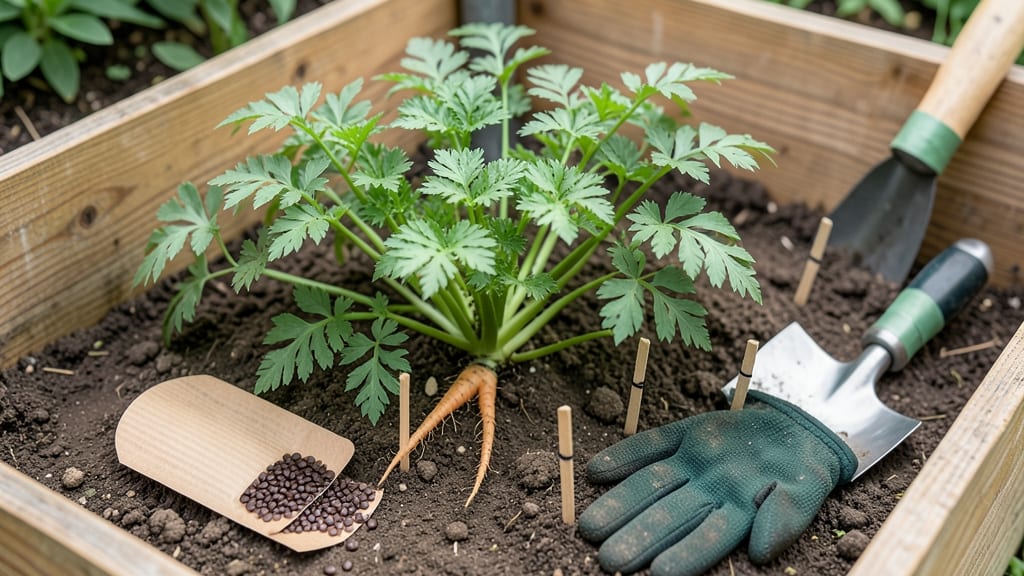
Planting carrot seeds at the wrong time in Zone 7 can turn your garden dreams into a bitter disappointment—literally.
Those crisp, sweet 🥕 you crave won’t grow if you wait too late or rush the process, leaving you with tough, woody roots or worse, bolting plants that flower instead of storing energy in the roots.
I’ve learned the hard way that timing is everything when it comes to carrots in Zone 7. The key is planting early enough to avoid the heat of summer while still giving your seeds a chance to germinate before the soil warms too much.
With the right approach, you can stretch your harvest from late summer all the way into fall, ensuring a steady supply of homegrown goodness.
What makes this even trickier is Zone 7’s unpredictable spring weather. One week can bring frost, and the next, scorching heat—both of which can sabotage your carrot crop.
But don’t worry, I’ve got practical strategies to help you navigate these challenges, from soil warming tricks to the best varieties for your climate.
In this guide, I’ll break down the exact windows for planting carrots in Zone 7, including how to extend your growing season and avoid common pitfalls.
Whether you’re a seasoned gardener or just starting out, these tips will help you grow carrots that are sweet, crisp, and ready to harvest when you need them most.
Best planting windows for carrots in Zone 7 (avoiding bolting & frost risks)
Timing is everything when growing carrots in Zone 7. The last spring frost typically hits around March 15, but soil temperatures often stay too cold for reliable germination until April 1-15.
Planting too early risks rotten seeds from cold soil, while waiting too long can trigger bolting (premature flowering) before harvest. My secret? Staggered plantings for a continuous harvest from June through October.
Zone 7’s frost-free season spans about 180 days, giving you two prime windows: early spring (March-April) and late summer (July-August). The key is matching seed sowing to soil temperatures between 45°F and 85°F—any colder, and germination stalls; any hotter, and seeds bolt.
Let’s break down the exact timing and tricks to maximize your carrot yield.
| Planting Window | Soil Temp | Zone 7 Dates | Tricks for Success |
|---|---|---|---|
| Early Spring | 45-60°F | March 15 - April 15 | Use row covers; sow in warm microclimates (near fences) |
| Late Spring | 60-75°F | April 30 - May 15 | Succession plant every 2 weeks for steady harvest |
| Summer (Bolt Risk) | 75-85°F | July 1 - July 15 | Choose bolt-resistant varieties; plant in partial shade |
| Fall | 50-65°F | August 15 - September 15 | Use black plastic mulch to warm soil; harvest before first frost |
For spring plantings, I start with early March sowings in a protected microclimate (like a raised bed near my south-facing fence). The extra warmth from the wall helps soil reach 50°F faster.
By April 1, I’m ready to sow directly into the garden, aiming for 60°F soil. To extend the season, I use floating row covers to protect seedlings from late frosts.
Zone 7’s summer heat is tricky—temperatures above 75°F can send carrots bolting in 3-4 weeks. My solution? Plant bolt-resistant varieties like 'Paris Market' in partial shade (30-50% sunlight) during July-August. I also sow seeds in the late afternoon to avoid the hottest part of the day.
For a second fall crop, I prep beds in mid-August using black plastic mulch to warm the soil before sowing in September.
Succession planting is my secret weapon for a continuous harvest. In Zone 7, I sow new seeds every 2 weeks from March through July. This ensures I always have young, tender carrots ready to harvest.
For example, if I plant on March 15, I’ll follow with sowings on March 29, April 12, April 26, and so on. By July 15, I’ve got a final batch going for a fall harvest.
Don’t forget about soil preparation—carrots need loose, stone-free soil to grow straight. I mix in compost and coarse sand before planting to prevent forking. For fall plantings, I add a thin layer of straw mulch to insulate roots from early frosts.
This simple step can extend your harvest window by 2-3 weeks.
One common mistake? Waiting until the air temperature feels warm enough. Carrots need soil temperature to be the right range—use a soil thermometer to check before planting.
If your soil is below 45°F, your seeds will rot. If it’s above 85°F, they’ll bolt. Aim for that 50-70°F sweet spot for reliable germination.
For container growing, I’ve had success with deep pots (12+ inches) filled with a sandy loam mix. Plant seeds in May-June when soil stays consistently above 60°F. Containers warm up faster than garden beds, making them ideal for early spring or late fall plantings in cooler microclimates.
Pro tip: Mark your planting dates on a garden calendar. In Zone 7, I aim for 3-4 harvests per year—one from spring,
Cold-soil tricks to prevent carrot seeds from rotting before germination
Zone 7’s unpredictable spring weather can turn your carrot seeds into a gamble—cold, damp soil often causes them to rot before they even sprout.
I’ve learned the hard way that soil temperature below 45°F is the enemy of germination, but with a few simple tricks, you can trick your soil into cooperating.
First, soak your seeds overnight in lukewarm water to kickstart hydration. This gives them a head start while you prepare the soil.
Next, consider warm-starting seeds in containers—fill small pots with potting mix, plant seeds ¼ inch deep, and place them in a sunny window or under a grow light until soil warms up.
For in-ground planting, black plastic mulch is my go-to solution. Lay it down 2–3 weeks before planting to absorb sunlight and raise soil temperature by 5–10°F. If you’re short on plastic, straw blankets or cardboard can also help insulate the soil while breaking down to add organic matter.
🌱 Pro Tip: Test your soil temperature with a soil thermometer—aim for 60–65°F before planting. If it’s still too cold, wait another week or use a seedling heat mat under containers.
🔥 5 Cold-Soil Solutions for Faster Germination
- 1. Soak seeds in lukewarm water for 8–12 hours before planting.
- 2. Use black plastic mulch to raise soil temp by 5–10°F.
- 3. Start seeds in containers near a sunny window or grow light.
- 4. Cover soil with straw to insulate and retain warmth.
- 5. Wait for 60–65°F soil—never plant in below 45°F soil.
If you’re planting in late winter (February), consider a mini greenhouse or cold frame to create a microclimate. Even a clear plastic bottle cloche over seedlings can make a difference. Just
Finally, water gently after planting—avoid heavy watering until you see sprouts. Overwatering in cold soil can suffocate seeds. A fine mist or drip irrigation keeps moisture even without disturbing the soil.
With these tricks, you’ll see those first carrot seedlings emerge in 7–14 days instead of waiting weeks for the soil to warm naturally. Trust me, your future harvest will thank you! 🥕