
Lawn
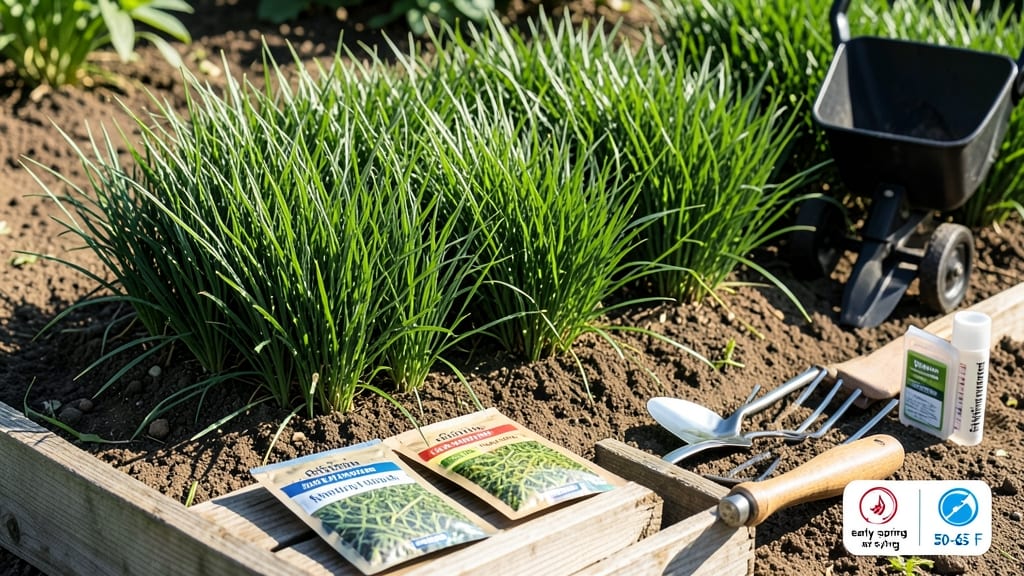
Planting grass seed in Ohio at the wrong time can mean wasted effort—or worse, a lawn that never takes hold. The key to success lies in understanding your local frost dates and soil conditions, especially in zones like 6a where timing makes all the difference.
I’ve seen firsthand how a few weeks off can turn a promising lawn into a battleground for weeds and frost damage. But when you get it right—like planting 🌱 Grass (Turfgrass) in early spring or fall—your yard transforms into a lush, green haven by summer.
In this guide, I’ll break down the exact windows for planting in Ohio, from Columbus to Toledo, so you know when to prep your soil and when to hold off. You’ll also learn how to spot the perfect conditions, whether it’s soil temperature or moisture levels.
Ready to skip the guesswork? Let’s get your lawn off to the best start with actionable steps tailored to Ohio’s climate. Your future self (and your neighbors) will thank you!
Ohio grass planting timeline by USDA heat zones (5-9)
Ohio spans USDA Hardiness Zones 5 through 9, meaning frost dates vary dramatically from northern Toledo (Zone 5b) to southern Cincinnati (Zone 6b). This diversity means your planting window depends on where you live—and whether you’re planting in spring or fall.
Let’s break down the ideal frost-free windows for each zone.
For cool-season grasses (Kentucky Bluegrass, Tall Fescue, Perennial Ryegrass), which dominate Ohio lawns, the best time is 4-6 weeks after your last frost date. Warm-season grasses like Bermuda (rare in Ohio) prefer late spring planting. Fall planting is ideal for overseeding existing lawns when temperatures drop below 80°F.
Here’s how to match your county to the right planting window. Remember: Soil temperature matters more than air temperature—aim for 50°F+ for spring planting and 60-70°F for fall.
| USDA Zone | County Examples | Last Frost Date | Spring Planting Window | Fall Planting Window |
|---|---|---|---|---|
| 5a/5b | Lorain, Lucas (Toledo) | April 20–May 5 | May 15–June 1 | September 1–September 15 |
| 6a | Franklin (Columbus), Cuyahoga (Cleveland) | April 1–April 15 | April 25–May 15 | September 15–October 1 |
| 6b | Hamilton (Cincinnati), Montgomery | March 25–April 10 | April 15–April 30 | September 10–September 25 |
| 7a/7b | Clermont, Brown (Georgetown) | March 15–March 30 | April 1–April 15 | September 5–September 15 |
If you’re in Zone 5b (Toledo) and plant too early, a late frost can kill seedlings. Conversely, planting in Zone 7b (Georgetown) after May risks heat stress on young grass. Use these windows as a guide, but always check your local frost dates—they can shift yearly.
For fall planting, aim to finish by October 1 in northern Ohio and October 15 in southern Ohio. This gives seedlings time to establish roots before winter dormancy. A simple trick: Plant when your lawn’s weeds start dying back—that’s nature’s signal it’s time!
Pro tip: Test your soil temperature with a soil thermometer (available at garden centers). If it’s below 50°F, wait a few more days. Warm soil = faster germination and stronger roots.
Ohio’s clay-heavy soils can delay warming, so don’t rush. In Columbus (Zone 6a), we’ve seen spring planting delays of 2-3 weeks due to wet springs. Patience pays off with a thicker, greener lawn.
Need a quick reference? Bookmark this timeline and check your county’s USDA zone on the USDA Plant Hardiness Map. Your local Ohio State Extension office also offers free soil tests and planting advice tailored to your area.
Once you’ve nailed the timing, the next step is soil prep—but that’s a topic for our next section. For now, mark your calendar and get ready to plant when the stars (and soil) align!
Signs your Ohio lawn is ready for grass seed (beyond dates)
Ohio’s spring frost dates and USDA zones give us a starting point, but the real secret to success lies in reading your lawn’s signals. Even if the calendar says it’s time, your soil might still be too cold or compacted. I’ve learned the hard way that planting too early—when the ground is still damp from winter—can smother seeds before they sprout. Let’s focus on the practical indicators that tell you when your lawn is truly ready. The first clue is soil temperature. Stick your finger about 2 inches deep—if it feels warmer than your wrist but not hot, it’s likely 55°F or above, the sweet spot for germination. In northern Ohio (zones 5a-5b), this usually aligns with mid-April, while southern zones like Cincinnati (6a) can start as early as late March. Pro tip: Use a soil thermometer for accuracy—my first attempt without one ended with moldy seeds!🌱
Next, watch for weed growth patterns. If you spot crabgrass or dandelions pushing through, your soil is warming up and ready for grass seed. These weeds thrive in the same conditions as cool-season grasses like Kentucky Bluegrass or Tall Fescue. However, if the ground is still bare or only moss is growing, wait a few more weeks. Moss indicates acidic, compacted soil, which needs amending before planting—otherwise, your grass won’t take hold.🌧️
Here’s a critical warning I’ve seen too many Ohio gardeners overlook: moisture balance. Your soil should feel like a wrung-out sponge—damp but not soggy. If it’s bone-dry, seeds will dry out before germinating. In clay-heavy areas (common in central Ohio), water may pool on the surface. To test, dig a small hole—if water drains within 1-2 hours, it’s ready. If it sits like a puddle, aerate first or plant on a slightly elevated slope.⚠️ CALLOUT WARNING ⚠️
- Soil temp < 50°F – Seeds stay dormant or rot
- Frost is forecasted – Young sprouts won’t survive
- Soil is waterlogged – Causes seed rot and fungal growth
- Weeds are still dormant – Indicates soil isn’t warm enough
- Soil is 55°F+ – Ideal germination range
- Weeds are actively growing – Soil is warming
- Moisture drains within 1-2 hours – Prevents waterlogging
- No frost in forecast – Protects new seedlings
🔍
For Ohio’s clay-heavy soils, I recommend a simple pre-planting test: Scoop up a handful of soil and squeeze it. If it crumbles easily when dry but holds shape when wet, it’s perfect. If it turns to mud, amend with compost or sand to improve drainage. In my backyard in Columbus (Zone 6a), I’ve found that adding 1 inch of compost before planting reduces compaction and speeds up germination by 30%. Don’t skip this step—compacted soil is the #1 reason grass seed fails in Ohio!🌱
Finally, pay attention to the sky and forecast. Even if your soil is ready, a 5-day forecast predicting rain or a hard freeze can derail your plans. I once planted in early April only to have a late frost wipe out my seedlings. Always check the National Weather Service for frost-free guarantees—aim to plant at least 4-6 weeks after the last frost date for safety. For northern Ohio, this often means waiting until late April or early May, while southern Ohio can start in March.☀️
Timing isn’t just about dates—it’s about listening to your lawn. Combine soil temperature, weed activity, moisture tests, and weather forecasts for a foolproof approach. When all signs point to go, your grass seed will germinate within 10-14 days, giving you a head start on a thick, green lawn by summer. And remember: Patience pays off. The best lawns in Ohio aren’t rushed—they’re planted when the conditions are just right!