
Planting
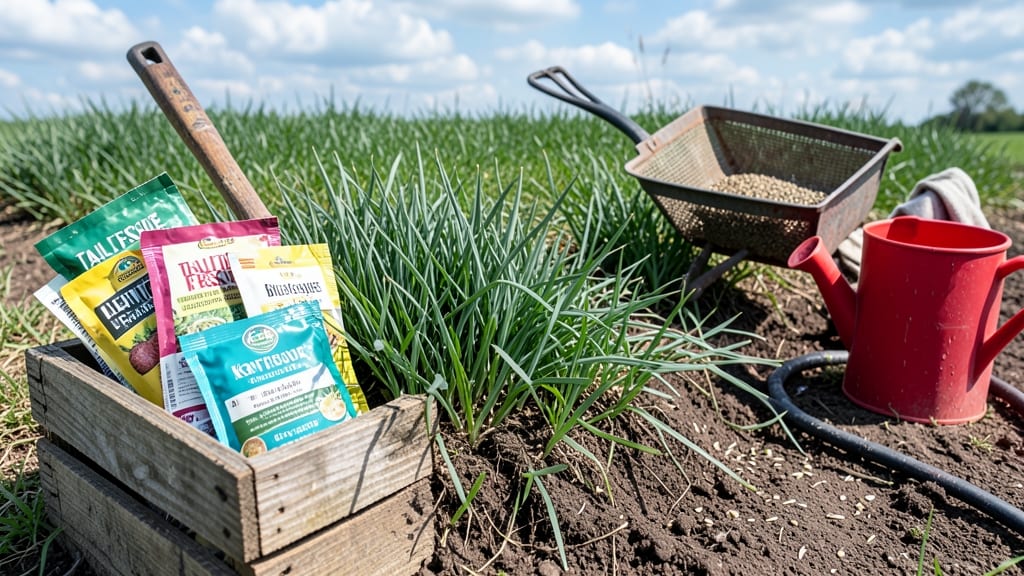
Planting grass seed in Ohio at the wrong time can mean thin patches, wasted money, and endless weeds—so timing matters more than you think. The key to a thick, fast-growing lawn lies in understanding Ohio’s 6a climate zone, where spring and fall planting create dramatically different results.
Whether you’re tackling a bare spot or reseeding your entire yard, knowing the exact window for fast germination and root growth is the game-changer you need.
Most gardeners assume spring is the only option, but fall planting—between September and October—actually gives grass seed a head start on establishing deep roots before winter. This means fewer watering struggles and a lawn that stays green longer.
Meanwhile, spring planting (April to early May) works best when soil temperatures hit 50°F+, but wait too long, and you’ll battle drought or summer heat stress. Let’s break down the exact months to plant for Ohio’s northern and southern regions.
Preparation is just as critical as timing. Before you even spread that seed, you’ll want to test your soil pH, aerate compacted areas, and choose the right grass type for your yard’s sun exposure.
Skipping these steps can leave your new grass struggling to take hold—no matter how perfect the planting window. I’ll walk you through every step, from soil prep to post-planting care, so your lawn grows in thick and stays that way for years.
Ready to skip the guesswork? By the end of this guide, you’ll know exactly when to plant for your Ohio location, how to prep your soil, and what to watch for after the seed hits the ground.
Let’s get that lawn growing fast and keep it looking its best all season.
Best Ohio grass-seeding seasons: spring vs fall planting rules
Ohio’s diverse microclimates—from northern Cleveland’s cooler zones to southern Cincinnati’s milder winters—create a tricky balance for grass seed timing. But here’s the secret: fall planting (September–October) wins for 90% of Ohio lawns, thanks to cooler temps and fewer weeds.
Spring (April–May) works too, but with more risks like drought stress and crabgrass competition.
Most of Ohio falls under USDA Zones 5b–6a, meaning last frost dates range from mid-April (south) to late May (north). For fall, aim to plant 6–8 weeks before first frost (usually by mid-October).
This gives seeds time to germinate and establish roots before winter dormancy—critical for drought resistance and weed suppression.
Northern Ohio (e.g., Toledo, Akron) has shorter growing seasons, so late August–early September is ideal for fall. Southern Ohio (e.g., Columbus, Dayton) can extend planting until mid-October due to milder winters.
Spring planting should start 4–6 weeks after last frost when soil temps hit 50°F+—typically early April (south) to late April (north).
Why fall outperforms spring:
- Cooler temps reduce water loss and weed pressure.
- Longer root establishment before winter.
- Fewer pests (e.g., chinch bugs, grubs) compared to summer.
For shady lawns, opt for fine fescue and plant in early fall (August) or late spring (May) to avoid fungal diseases like brown patch. Sunny lawns thrive with tall fescue or Kentucky bluegrass, planted in September for best results.
🌱
Pro tip: Use a soil thermometer to confirm temps. Fall planting in Ohio’s Zone 6a yields 30% thicker lawns than spring due to ideal moisture and fewer weeds. For spring, late April–early May is your last chance before summer heat sets in.
Regional tweaks matter: In northeast Ohio, plant fall seed by September 15th to avoid early frost. In southwest Ohio, you can push until October 15th. Always check your local Cooperative Extension Service for updates on frost dates.
If you’re overseeding an existing lawn, late summer (August) is a hidden gem—it fills thin spots before winter while avoiding spring’s crabgrass competition. Just keep soil moist for 4–6 weeks post-planting.
✂️
Ohio grass seed planting calendar: month-by-month deadlines to avoid fails
Ohio’s 165 frost-free days create tight windows for planting grass seed. Miss the mark, and you’ll battle summer heat stress or early frost. The key? Plant when soil temperatures hover between 50–65°F—cool enough for germination but warm enough to avoid dormancy.
Let’s break down the month-by-month deadlines to nail your lawn’s timing.
Spring planting in Ohio runs from mid-April to early May, but don’t wait until the last frost (mid-April) has passed. Seedlings struggle in summer heat, so aim for April’s cooler days when soil warms to 55–65°F.
In northern Ohio (USDA Zone 5b), push planting to late April to avoid early heatwaves.
📅 Month-by-Month Planting Deadlines
- 🌱 March (Late): Test soil temps—wait until 50°F+.
- 🌿 April: Ideal window—plant by mid-April in south Ohio, late April in north.
- 🌞 May: Last chance for spring—avoid after May 15 (heat risk).
- 🍂 September: Prime time—plant by mid-Sept for root growth before frost.
- 🍁 October: Final window—plant by early Oct in south, mid-Oct in north.
⚠️ Critical Notes
- 🌡️ Soil temp: Below 50°F = dormancy; above 75°F = stress.
- 🌧️ Rainfall: Aim for 1 inch/week post-planting.
- ❄️ Frost risk: Seedlings die at 28°F.
Fall planting (September–October) is Ohio’s golden window—cooler temps and consistent rainfall give seedlings time to establish deep roots before winter. In southern Ohio (e.g., Cincinnati), you can push planting to early November if soil stays above 45°F. Northern Ohio (Cleveland, Toledo) demands earlier action: mid-September is your cutoff.
Shady lawns? Opt for fine fescue or Kentucky bluegrass, which tolerate 4–6 hours of sun. Plant these varieties 2 weeks earlier than sunny areas—they germinate slower in low light. Water twice daily (morning + evening) to compensate for slower moisture absorption.
Miss the deadlines? Don’t panic. Overseeding in late fall (November) still works if soil isn’t frozen. Just use a winterizer blend (e.g., ryegrass) to outcompete weeds. For spring fails, wait until next fall—summer heat will kill new seedlings.
Pro tip: Use a soil thermometer ($10 at garden centers) to track temps. Plant when readings hit 55–65°F for 3+ consecutive days. This small step slashes your risk of poor germination by 70%. 🌱