
Plants
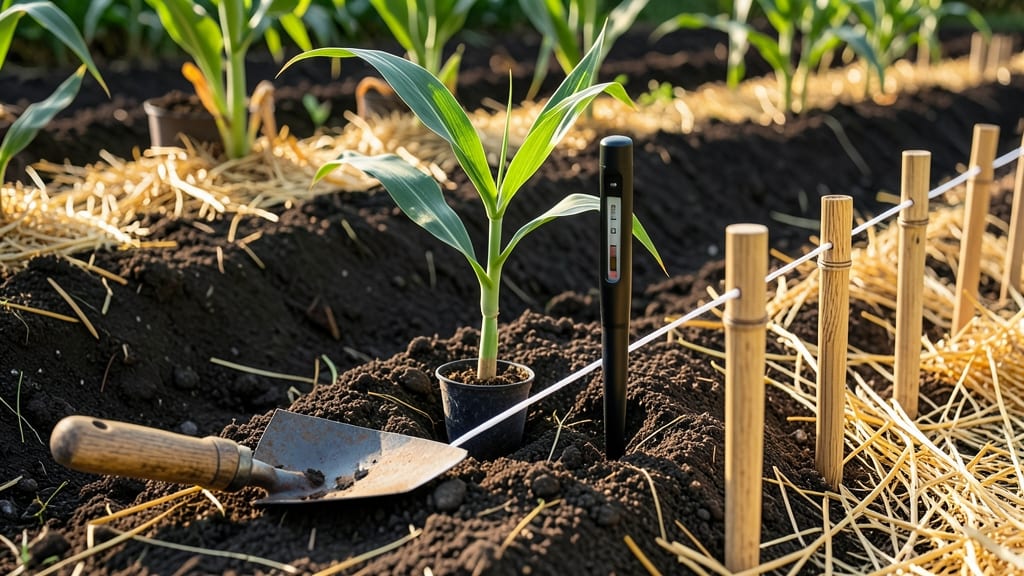
Planting corn in Northeast Ohio at the wrong time can mean the difference between a bumper crop of sweet, juicy 🌽 and a sad, stunted disappointment.
The key to success lies in understanding your local frost dates and soil conditions—because even the hardiest corn won't thrive if the ground stays too cold or the nights turn frosty too soon.
In zones 5b-6b, the ideal window for planting corn stretches from mid-April to early May, right after the last frost has passed. But here's the catch: Northeast Ohio's unpredictable springs can throw off even the most careful gardeners.
A late frost in May or unusually cool soil temperatures can leave your seedlings struggling, so timing isn't just about the calendar—it's about reading your environment.
Whether you're growing early varieties like 'Silver Queen' or later maturing types, knowing when to plant ensures you'll have corn ready to harvest from late July to September.
I'll walk you through the exact steps to time your planting perfectly, including how to adjust for those tricky late springs that Northeast Ohio is famous for.
Ready to turn your garden into a cornfield oasis? Let's dive into the frost-free timeline and strategies that'll have you enjoying homegrown corn all summer long.
Northeast Ohio corn planting dates: frost-free timeline by zone
Northeast Ohio’s USDA Zones 5b-6b mean corn thrives here—but only if planted at the right time. The last spring frost typically hits between mid-April and early May, but don’t rush! Corn needs soil temperatures above 60°F and consistent warmth to germinate properly.
In Cleveland, Akron, and Youngstown, this usually aligns with late April to early May, but cooler springs may push planting into early June.
For direct sowing (the preferred method for corn), wait until at least 2 weeks after your area’s last frost date. Transplanting young corn is tricky and often leads to transplant shock, so stick to seeds unless you’re using biodynamic methods.
My rule of thumb? Plant when dandelions bloom reliably—a natural sign of warming soil.
Here’s the critical timeline for Northeast Ohio gardeners:
| Stage | Action | Notes |
|---|---|---|
| Soil Prep | Test soil pH (6.0-7.0 ideal) | Add compost if needed |
| Last Frost | Wait 2 weeks after average date | Cleveland: ~April 25; Akron: ~May 1 |
| Planting Window | Late April–early May (primary) | June for succession planting |
| Soil Temp | Must stay above 60°F | Use a soil thermometer |
| Depth | 1–1.5 inches deep | Firm soil after planting |
| Spacing | 4–6 inches apart | 30–36 inches between rows |
| Germination | 7–14 days (warmer = faster) | Keep soil moist until sprouts appear |
If you’re growing early-maturing varieties (like ‘Ambrosia’ or ‘Peaches and Cream’), you can push planting to early April under protective covers (like row tunnels). But avoid planting too soon—cold soil causes seeds to rot, and late frosts can kill seedlings.
I’ve seen gardeners in Youngstown lose entire rows by planting in mid-April when a surprise frost hit.
For succession planting, sow a second batch in early June to extend your harvest into late summer. This works best with short-season varieties (60–75 days to maturity). Just remember: corn needs consistent warmth for pollination, so avoid late plantings if your summer cools down.
Pro tip: Use a planting calendar like the one from the Ohio State University Extension to track local frost dates. They update yearly based on historical climate data—far more reliable than guessing!
Also, mark your calendar for July 4th weekend—that’s when most Northeast Ohio gardens hit peak corn harvest time.
Finally, don’t forget that corn is wind-pollinated, so plant in blocks (not rows) to ensure good pollination. A 4x4-foot patch is the minimum for reliable yields. With the right timing and setup, you’ll be feasting on homegrown corn by mid-summer!
🌽
How to adjust corn planting for Northeast Ohio’s unpredictable weather
Northeast Ohio’s spring weather can be as unpredictable as a rollercoaster—one day sunny and warm, the next a surprise frost. Corn, with its long growing season and sensitivity to cold, demands flexibility.
Planting too early risks frost damage, while waiting too late may cut your harvest short. The key? Adaptability and a backup plan.
Many gardeners make the mistake of following a rigid calendar, but Ohio’s variable last frost dates (ranging from late April to early May) mean you need a strategy beyond dates. For example, Cleveland’s average last frost is May 1, but Akron’s can be as late as May 10.
Check your local Almanac frost data and add a 2-week buffer to your planting timeline.
🌱 Warning: Planting Too Early
Cold soil (below 50°F) slows germination, while frost can kill seedlings. If you plant in March or early April, use row covers or a cold frame to protect young plants. But be ready to remove covers if temperatures spike above 80°F to avoid overheating.
Solution: Start seeds indoors 2-3 weeks before your target outdoor date, then transplant after the last frost. Use biodegradable pots to avoid root disturbance.
To handle late springs, consider succession planting in early June for a fall harvest. Choose fast-maturing varieties (like 'Early Sunglow', which takes just 65 days to harvest) to maximize your window. If a late frost hits, prioritize warmth-loving crops like beans or peppers over corn, which is less forgiving.
Soil temperature is just as critical as air temperature. Corn seeds won’t germinate well until the soil reaches 60°F. Use a soil thermometer to monitor—if it’s cooler, try black plastic mulch or straw bales to warm the soil faster.
In my garden, I’ve seen a 10°F difference between sunny and shady spots, so choose your planting location wisely.
Heatwaves can also throw off your corn’s schedule. If temperatures exceed 90°F during pollination, kernels may develop poorly. Provide shade cloth during peak heat or water deeply to keep roots cool.
I once lost half my crop in a 10-day heatwave—since then, I’ve added drip irrigation to maintain moisture without wetting the leaves.
🌱 Pro Tip: Backup Planting Dates
Primary planting: Mid-April to early May (after last frost).
Backup planting: Early June (for late varieties).
Emergency option: Late July (for super-early varieties like 'Golden Bantam').
Finally, keep an eye on your corn’s growth stage. If you’re unsure whether to plant, check the tassels and silks—they’re your best indicators of readiness.
And remember, even the most experienced gardeners in Northeast Ohio adjust their plans yearly. Flexibility is your best tool against Ohio’s unpredictable weather.
🌽