
Plants
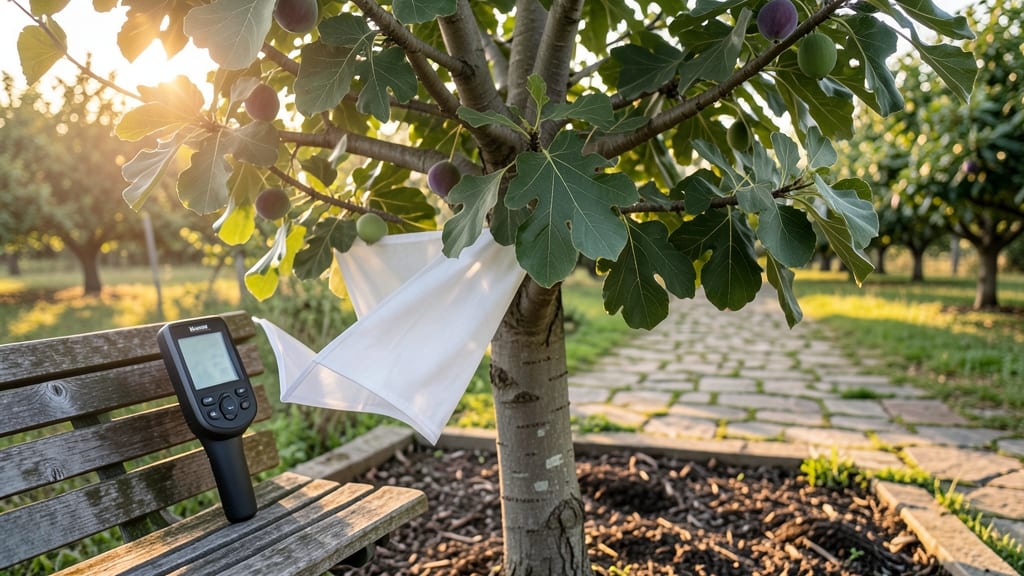
Fig plants need bright light—but not just any light will do. Too little shade and your 🍈 struggles to fruit, while too much scorching sun can turn leaves crispy.
The sweet spot? A balance that keeps your fig thriving year-round, whether it's basking in a south-facing window or soaking up outdoor sunshine.
If you're wondering how much light is just right, the answer depends on your fig's variety and where it lives. Mediterranean types love 6-8 hours of direct sun, while tropical varieties might prefer bright, indirect light.
But here's the kicker: even the hardiest figs can't handle sudden light shifts without stress.
In this guide, I’ll break down exactly how to give your fig the perfect light conditions—indoors or out—so you can avoid common mistakes like leaf burn or stunted growth.
You’ll also learn how to spot when your plant is getting too much (or too little) light, and how to adjust without shocking its roots.
Ready to transform your fig from a struggling survivor into a fruit-bearing powerhouse? Let’s dive into the light secrets that’ll keep your plant happy, healthy, and loaded with harvests from July to October.

Fig plant light requirements: ideal sun exposure for growth and fruit
Fig plants are sun worshippers—they crave 6 to 8+ hours of direct sunlight daily to produce sweet, abundant fruit. Without enough light, your fig tree will struggle to grow, develop sparse foliage, and produce little to no fruit.
But too much scorching sun can also cause leaf burn, especially for tender young leaves. The key is finding that golden balance between full sun and gentle shade.
Most fig varieties originate from Mediterranean climates, where they bask in bright sunlight but escape the harshest afternoon heat. If you're growing figs in USDA Zones 7-10, outdoor planting in full sun is ideal.
For cooler zones (6 and below), container growing lets you move figs indoors during winter months when sunlight is scarce.
If your fig plant isn't getting enough sunlight, you'll notice long, weak stems and small, sparse leaves as it stretches toward any available light. This condition is called etiolation, and it weakens the plant's structure.
On the flip side, leaf burn appears as crispy, brown edges on leaves exposed to too much direct sun, especially during hot afternoons.
For outdoor figs, position them where they receive morning sun and afternoon shade during peak summer months. If planting in containers, place pots on a south-facing porch or balcony. Rotate the pot every 2 weeks to ensure even light exposure on all sides, preventing lopsided growth.
Indoor figs thrive near south-facing windows, where they can soak up the most sunlight. If natural light is insufficient, supplement with a grow light (LED or fluorescent) placed 12-18 inches above the plant for 12-14 hours daily.
Avoid placing figs near drafty windows or air conditioning vents, as temperature fluctuations stress the plant.
Figs grown in partial shade (3-4 hours of sun) will survive but produce fewer fruits and grow more slowly. If you're in a high-heat climate, provide afternoon shade with a lightweight shade cloth (30-50% shade) to protect leaves from scorching.
Mulch around the base of outdoor figs to regulate soil temperature and retain moisture.
Pro tip: Monitor your fig's leaves for color changes. Deep green leaves indicate ideal light conditions, while yellow or pale leaves signal insufficient light. Conversely, brown or crispy leaf edges mean too much direct sun. Adjust placement accordingly to keep your fig plant thriving.
🌱
How to adjust light for different fig plant conditions (indoor vs outdoor)
Fig plants are adaptable, but their light needs shift dramatically between indoor and outdoor growing conditions. In my experience, a south-facing window or balcony can provide the 6-8 hours of direct sun most fig varieties crave—but what if your space falls short?
Let’s break down how to optimize light for every scenario, from shady apartments to scorching desert gardens.
For outdoor figs, aim for full sun exposure (6+ hours daily). Mediterranean varieties like 'Brown Turkey' thrive in hot, dry climates, while tropical types such as 'Celeste' prefer mild sun with afternoon shade.
If your fig is struggling, watch for leaf scorch (brown crispy edges) or stunted growth—both clear signs of light imbalance.
- Indoor Light Hacks
- South-facing windows are ideal—place your fig within 3 feet of the glass for brightest light. Rotate the pot weekly to prevent uneven growth.
- Use reflective surfaces (mirrors, white walls) to bounce extra light onto the plant. My aluminum foil-lined shelf boosted my fig’s growth by 20% in just 4 weeks.
- Supplement with LED grow lights (12-16 hours/day) if natural light is insufficient. Opt for full-spectrum bulbs to mimic sunlight’s blue and red wavelengths.
For outdoor figs in hot climates, provide afternoon shade (1-3 PM) to prevent heat stress. Dwarf varieties like 'Little Miss Figgy' handle partial shade better than towering 'Desert King' figs, which demand unfiltered sun. Always monitor soil moisture—overwatering in full sun leads to root rot.
Transitioning figs between indoor and outdoor spaces? Acclimate gradually over 7-10 days to avoid sunburn shock. Start with 2 hours of morning sun, then increase daily. My container-grown figs went from pale leaves indoors to vibrant green outdoors in just 2 weeks with this method.
Remember: Fig leaves wilt slightly in intense heat—this is normal! However, if they crisp or drop, move the plant to shadier conditions. Conversely, deep green but sparse foliage signals low light, and it’s time to relocate or add grow lights.
Pro tip: Prune leggy growth in low-light areas to encourage bushier, healthier branches. Pair this with balanced fertilization (5-10-10 NPK) to support fruit production even in less-than-ideal light. Your fig’s resilience will surprise you!