
Plants
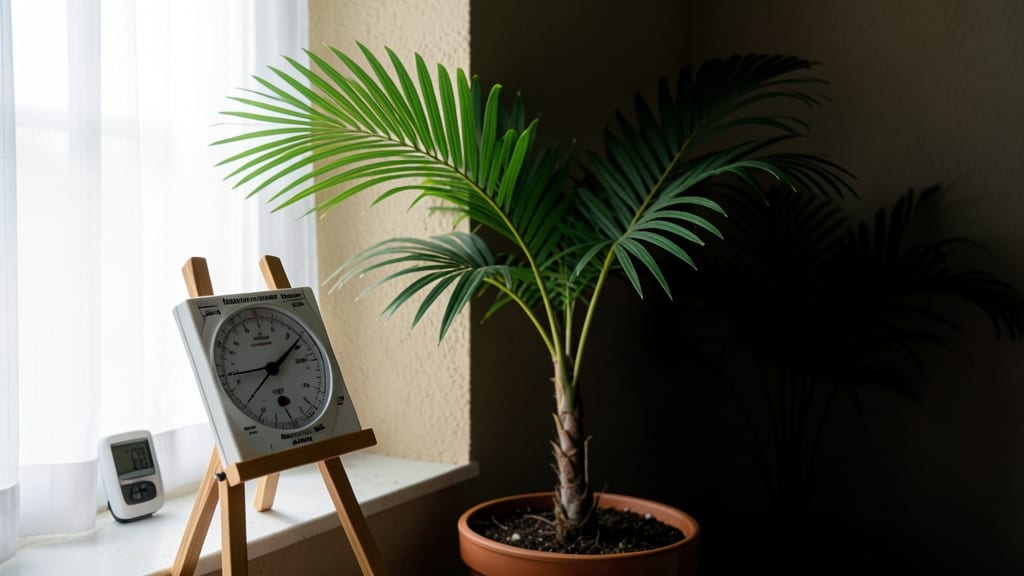
To keep your 🌴 palm thriving, you might be surprised by how much light does a palm plant need—and it’s not what most people assume. Too little light leaves your palm looking sad and leggy, while too much can scorch those beautiful fronds faster than you’d think.
The sweet spot isn’t just about hours of sunlight; it’s about the right kind of light, whether indoors or out.
If you’ve ever watched your palm’s fronds yellow or stretch toward the window like a sunflower, you’re not alone. Most people overcomplicate lighting for palms, but the truth is simpler than you’d expect.
With just a few adjustments—like positioning near a south-facing window or using sheer curtains—you can transform your palm from struggling survivor to showstopper.
Let’s break down exactly how much light your palm needs, which species handle bright spots best, and how to spot the subtle signs of light stress before they become permanent damage.
You’ll learn which windows work (and which don’t), how to supplement light indoors, and even how to fix overwatering mistakes that mimic light problems.
By the end, you’ll know exactly where to place your palm—whether it’s basking in 6+ hours of indirect sunlight or thriving under artificial grow lights—so it grows tall, lush, and full of life. No guesswork, just results.

Palm plant light requirements by species: matching needs to your home’s brightness
Palm plants are tropical divas—they crave bright, indirect light but can’t handle harsh afternoon sun. The key? Understanding your specific palm variety’s needs. Some, like the Parlor palm, thrive in low light, while others, like the Majesty palm, demand bright, filtered sunlight.
Without the right light, you’ll see yellow fronds, stunted growth, or even leaf scorch. Let’s break down the light needs by species so you can give your palm the perfect spot.
Most palms fall into three light categories: low-light tolerant, medium-light lovers, and high-light seekers. Indoor palms, like the Areca palm, often need 10,000–12,000 lux of light (similar to a well-lit office).
Outdoor palms, such as the Canary Island date palm, can handle full sun exposure (6+ hours daily) but may need afternoon shade in scorching climates. The trick is matching your palm’s native habitat to your home’s lighting conditions.
🌴 Pro Tip: If your palm’s fronds are leaning toward the light source, it’s not getting enough. If they’re brown and crispy, it’s getting too much. Adjust gradually—palms hate sudden light changes, which can cause sunburn or shock.
🌱 Palm Light Requirements by Species
| Variety | Ideal Light | Indoor Placement | Outdoor Placement | Signs of Stress |
|---|---|---|---|---|
| Parlor Palm (Chamaedorea elegans) | Low to medium indirect light (500–1,000 lux) | North or east-facing window | Partial shade (dappled sunlight) | Yellow fronds, slow growth |
| Areca Palm (Dypsis lutescens) | Medium to bright indirect light (10,000–12,000 lux) | South or west window with sheer curtain | Morning sun, afternoon shade | Brown tips, drooping fronds |
| Majesty Palm (Ravenea rivularis) | Bright indirect light (12,000+ lux) | South window with 3–5 feet back | Full sun with afternoon shade | Sunburn (white/yellow patches) |
| Canary Island Date Palm (Phoenix canariensis) | Full sun (6+ hours direct) | Grow lights (14+ hours/day) | Full sun (USDA Zones 9–11) | Yellow fronds, leaf scorch |
| Bismarck Palm (Bismarckia nobilis) | Full sun to partial shade | Not ideal indoors |
How to optimize light for indoor palm plants: window placement hacks and artificial solutionsIndoor palms often struggle with inconsistent light, especially in low-light homes. The key is finding the brightest indirect spot—like a south-facing window—while avoiding harsh afternoon rays that can scorch fronds. Most palms thrive with 4-6 hours of filtered light daily, but tropical varieties like the Parlor Palm can adapt to 2-3 hours if needed. If your home lacks natural light, grow lights become your best friend. LED grow lights with a 5000-6500K color temperature mimic sunlight perfectly, and placing them 12-18 inches above your palm ensures even coverage. Run them for 12-14 hours daily to replicate a natural photoperiod. ⚠️ NON-NEGOTIABLE VISUAL ELEMENT ⚠️ 1
South-facing windows provide brightest indirect light—ideal for Majesty Palms and Kentia Palms. Avoid placing pots directly on glass, which can cause root overheating.
2
East or west windows work for low-light palms like Parlor Palms. Use sheer curtains to diffuse harsh morning/afternoon sun and prevent leaf burn.
3
North-facing windows offer cool, soft light—perfect for slow-growing palms like Areca Palms. Supplement with a grow light 12 hours daily to prevent leggy growth.
4
Rotate pots weekly to ensure even light exposure and prevent one-sided growth. This mimics natural outdoor conditions and keeps fronds symmetrical and healthy.
One of the biggest mistakes I see is placing palms too close to windows. While it might seem counterintuitive, heat from glass can damage roots, especially in warm climates. Keep pots 6-12 inches away from the window and use a ceramic or terracotta pot to prevent overheating. For low-light conditions, consider reflective surfaces like mirrors or white walls to bounce extra light toward your palm. Even 10-15% more light can make a dramatic difference in frond color and growth rate. If your palm starts developing yellow fronds or stretched, weak stems, it’s a clear sign to increase light exposure immediately. Pro tip: Test your light levels with a simple shadow test. Place a small object near your palm and check the shadow’s sharpness. A soft, diffused shadow means ideal indirect light, while a sharp, dark shadow indicates too much direct sun. Adjust curtains or move the plant accordingly. With the right light strategy, your indoor palm can thrive year-round—no tropical vacation required! 🌿 |