
Plants
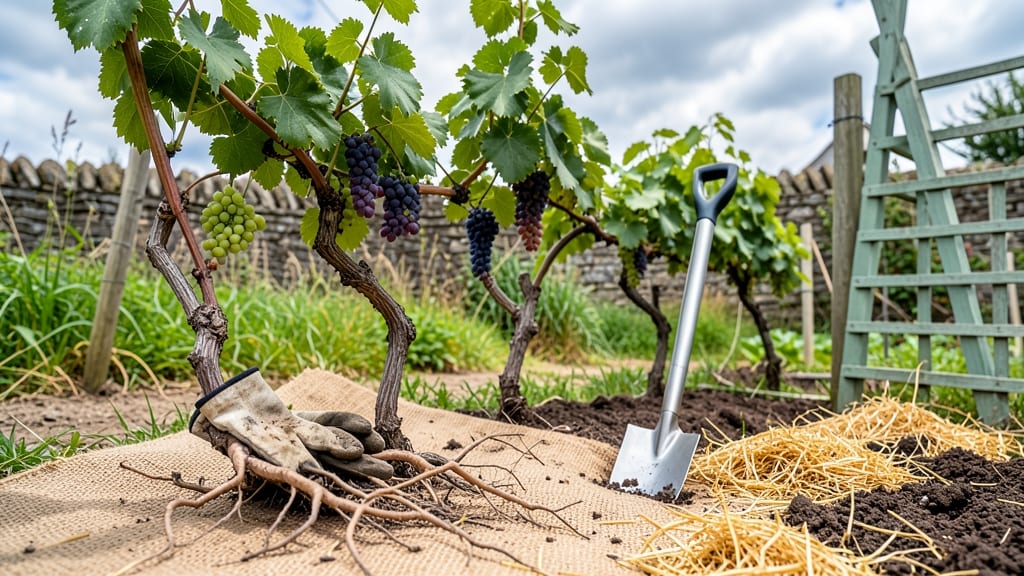
Planting grapes in California at the wrong time can turn your 🍇 dream vineyard into a frost-damaged disappointment—but getting the timing right means faster root growth and healthier vines.
The key isn’t just following a calendar; it’s watching for soil temperatures between 50-60°F, which signals when roots will establish most efficiently.
In my years growing grapes across the state, I’ve learned that coastal areas like Santa Barbara can plant as early as February, while inland zones like the Central Valley wait until March or April to avoid late frosts.
The difference between these windows isn’t just weeks—it’s the difference between vines that thrive and ones that struggle.
What most gardeners miss is how microclimates change the game. A valley might be warm enough by March, but coastal fog could delay planting until April.
I’ll break down exactly how to read your local conditions and adjust your schedule for fast root establishment—so you’re not left guessing when to dig in.
Whether you’re growing wine grapes or juicy table varieties, timing matters more than you think. Let’s cut through the confusion and get your grapes off to the strongest possible start—because the right moment makes all the difference.
Best planting windows for California grapes by region
California’s diverse climate means planting grapes in Northern, Central, or Southern regions requires different timing strategies. The key is planting when soil temperatures reach 50-60°F, ensuring roots establish before summer heat arrives. Let’s break down the ideal windows for each region to maximize your grapevine’s success.
In Northern California (USDA Zones 7-9), where frost risk lingers longer, aim for late March to early May. Coastal areas like Sonoma or Napa can start slightly earlier, around mid-March, thanks to milder microclimates.
Inland valleys, however, should wait until after the last frost date, typically mid-April.
Central California (Zones 8-10) offers the broadest window—February to early April. Cities like Fresno or Madera can plant as early as late January if soil temperatures are stable, but most gardeners wait until March to avoid late-winter chills. The San Joaquin Valley’s hot summers mean faster root establishment, so timing is slightly more forgiving.
For Southern California (Zones 9-11), the sweet spot is January to March. Coastal areas like San Diego or Santa Barbara can plant as early as December, but inland desert regions should avoid winter planting due to cold nighttime temps.
Aim for February in these areas to align with natural rainfall and warming soils.
Pro tip: Use a soil thermometer to confirm temperatures before planting. Bury it 4 inches deep in the morning—this mimics root-zone conditions. If temps dip below 50°F, delay planting to prevent root rot or stunted growth.
My Napa Valley garden thrived after I waited until soil hit 58°F consistently for a week.
Another critical factor is rainfall timing. In drought-prone areas, like Central Valley, planting in late winter aligns with natural moisture, reducing irrigation needs. Meanwhile, coastal regions with high humidity (e.g., Santa Cruz) benefit from spring planting to avoid fungal diseases like powdery mildew.
For wine grape varieties (e.g., Cabernet Sauvignon or Zinfandel), prioritize early spring planting to extend the growing season.
These vines need 180+ frost-free days, so planting in March ensures they mature before winter. Table grape varieties (e.g., Thompson Seedless) are more flexible and can handle April planting in cooler zones.
One mistake I see often? Gardeners in Southern California planting too early (December) without checking soil temps. The result? Slow root growth and weak vines struggling through winter. Always monitor local weather forecasts—tools like Almanac’s Frost Calculator are lifesavers for precise timing.
Finally, consider microclimates within regions. A south-facing slope in Sacramento may warm 2 weeks earlier than a north-facing valley. Use this to your advantage by planting heat-loving varieties (e.g., Syrah) on sunny slopes and cooler-climate grapes (e.g., Pinot Noir) in shaded areas.
Soil temperature triggers for fast root establishment in California grapes
Understanding soil temperature triggers is key to helping your grape vines establish strong roots quickly. In California, grapes thrive when planted in soil that’s warmed to 50-60°F—this range signals roots to grow actively.
Cooler soil slows growth, while warmer soil can stress young plants. I’ve learned the hard way that rushing planting in chilly conditions leads to weak vines and delayed harvests.
To test your soil temperature, use a simple soil thermometer—insert it 4-6 inches deep where you plan to plant. Check temperatures in the morning for the most accurate reading. In Northern California, aim for late April to early May when soil warms consistently.
Meanwhile, Southern California gardeners can plant as early as February, thanks to milder winters. Timing varies by microclimate, so monitor local conditions closely.
🌱 Soil Temperature Guide for California Grapes
| Grape Type | Ideal Soil Temp | Planting Window | Root Growth Speed |
|---|---|---|---|
| Wine Grapes (e.g., Cabernet) | 50-55°F | Late April - Early June | Moderate (4-6 weeks) |
| Table Grapes (e.g., Thompson Seedless) | 55-60°F | March - May | Fast (3-5 weeks) |
| Drought-Tolerant Varieties (e.g., Grenache) | 58-62°F | February - April | Slow (6-8 weeks) |
Note: Adjust planting dates if your soil heats up faster (e.g., inland areas). Always plant after the last frost date for your region.
Different grape varieties respond to soil temperature variations. For example, wine grapes like Cabernet Sauvignon prefer slightly cooler soil (50-55°F) to encourage deep rooting, while table grapes like Thompson Seedless thrive in warmer soil (55-60°F) for quicker establishment.
If your soil is too cold, consider using black plastic mulch to warm it faster—this trick has saved my early spring plantings from stalling.
Don’t overlook the role of moisture levels alongside temperature. Warm soil without adequate water can stress young roots. Aim to water deeply 1-2 times per week after planting to maintain consistent moisture.
I’ve found that drip irrigation systems work best for maintaining even soil moisture without overwatering. This balance of temperature and hydration is what sets the stage for robust root development.
One common mistake I’ve seen is planting grapes when the air is warm but the soil remains cold—a classic sign of microclimate mismatches. Always prioritize soil temperature over air temperature when deciding your planting window.
For instance, coastal areas may have warm air in March but still have chilly soil, while inland valleys might be ready weeks earlier. Use a soil thermometer for 3-5 days to confirm consistency before planting.
If you’re planting in fall (a viable option in warmer Southern California regions), aim for late September to early October when soil temperatures begin to drop but haven’t yet reached freezing. Fall-planted grapes benefit from cooler temperatures that encourage slower, deeper root growth before winter dormancy.
Just be sure to mulch heavily to protect roots from any unexpected cold snaps. With the right soil temperature strategy, your grapes will establish roots faster and reward you with a bountiful harvest.