
Planting
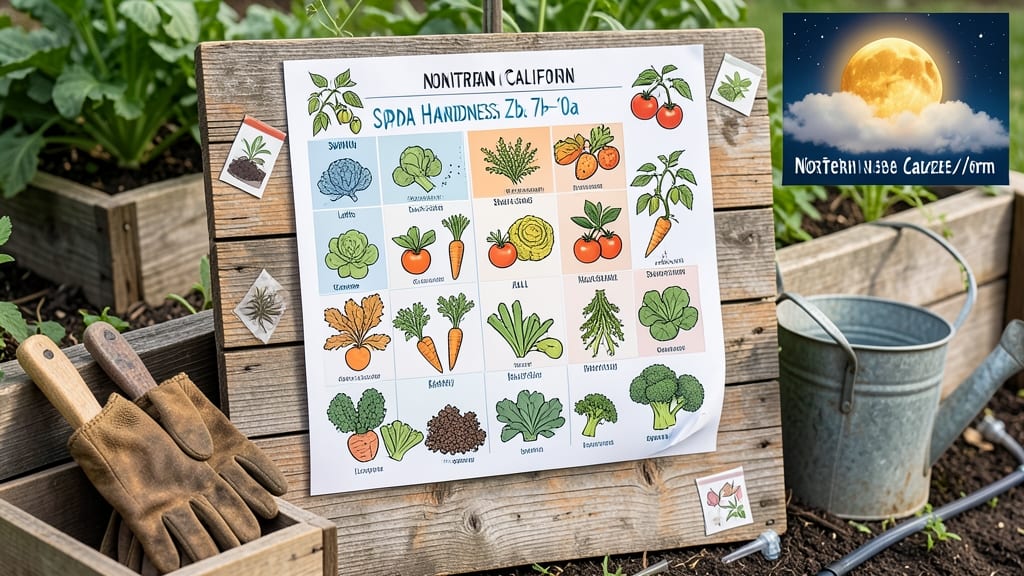
Timing when to plant a vegetable garden in Northern California perfectly isn’t just about following a calendar—it’s about outsmarting the region’s tricky microclimates. Coastal fog can delay spring planting by weeks, while inland valleys might see unexpected late frosts that wipe out tender seedlings.
Get it wrong, and your hard work could vanish overnight. But with the right schedule, you’ll beat the weather and enjoy a harvest that lasts from spring to fall.
Here’s the secret: coastal areas like San Francisco can start planting cool-season crops like lettuce and peas as early as January, while inland zones near Sacramento should wait until March to avoid frost damage.
Warm-season favorites like tomatoes and peppers need to wait until April or even May in high-elevation spots. The key is knowing your last frost date—and how to adjust for the unexpected.
Whether you’re a first-time gardener or a seasoned green thumb, this guide breaks down the exact planting windows for your region. We’ll cover everything from soil prep to succession planting, so you can grow more, waste less, and enjoy fresh veggies straight from your garden all season long.
Let’s get started!
Ready to turn your garden dreams into reality? Skip the guesswork and plant with confidence—because in Northern California, the difference between a thriving garden and a failed one often comes down to timing. Your future harvest depends on it.
Northern California planting zones: coastal vs inland start dates by elevation
Northern California’s microclimates create a gardening puzzle where coastal fog delays spring while inland valleys bake under early heat. Understanding your planting zone is key—whether you’re in San Francisco’s chill or Sacramento’s warmth.
The difference can mean 3-4 weeks in your planting schedule, so let’s break it down by region.
First, know your last frost dates. Coastal areas like San Francisco and Santa Cruz often see frost until mid-April, while inland Sacramento and Stockton typically warm up by late March.
High-elevation spots like Tahoe or Redding can delay frost until May. These dates dictate when to plant cool-season crops like lettuce and when to wait for warm-season favorites like tomatoes.
Here’s how to match your location to the right planting window:
| Region | Last Frost | First Frost | Cool-Season Start | Warm-Season Start |
|---|---|---|---|---|
| Coastal (San Francisco, Santa Cruz) | Mid-April | Mid-November | Late February | Late May |
| Inland Valleys (Sacramento, Stockton) | Late March | Late October | Early March | Early April |
| High Elevation (Tahoe, Redding) | Mid-May | Early October | Late April | Late June |
For cool-season crops like broccoli, carrots, and spinach, plant 4-6 weeks before your last frost.
Coastal gardeners can start as early as late February, while inland areas wait until early March. Warm-season crops like tomatoes, peppers, and cucumbers need to wait until 2-4 weeks after your last frost—so coastal areas might not plant until late May, while inland valleys can start in early April.
Elevation adds another layer. Areas like Tahoe City or Mount Shasta have shorter growing seasons. Here, focus on fast-maturing varieties of lettuce or radishes (30-45 days to harvest) and avoid heat-loving crops like eggplants, which struggle in high-altitude summers.
Pro tip: Use frost-sensitive crops like basil or peppers as your last frost indicator. If they survive overnight, your risk of frost has passed. For coastal gardeners, fog delays can push planting back—watch for consistent daytime temps above 55°F before sowing seeds.
Remember, fall planting follows the opposite logic. Start warm-season crops like kale or beets in August for a winter harvest, but avoid planting heat-lovers too late—coastal areas may see frost by mid-November, while inland valleys can extend until late October.
Northern California’s diverse zones mean no one-size-fits-all schedule. Bookmark this table, and adjust based on your local frost history—your neighbors’ gardens might be your best guide! 🌱
Best vegetables to plant by month in Northern California’s microclimates
Northern California’s microclimates create a gardener’s paradise, but timing is everything. In coastal areas like San Francisco, you can plant cool-season crops year-round, while inland zones like Sacramento demand precise timing to avoid late spring frosts.
High-elevation spots near Tahoe have even shorter growing seasons. Let’s break down the best month-by-month planting for your region.
For coastal gardens (e.g., Marin, Sonoma), start leafy greens like kale and spinach in January—they’ll thrive in cool, foggy conditions. By March, add broccoli and carrots as temperatures rise.
Inland areas (e.g., Sacramento, Stockton) should wait until mid-March for these crops to avoid frost damage. Warm-season crops like tomatoes and peppers can’t go in until after your last frost, typically mid-April to May.
📌 Key Takeaway: Coastal zones gain 2-4 extra weeks of planting time compared to inland areas. Use this advantage to grow two harvests of cool-season crops by planting successive batches every 2-3 weeks in early spring and late summer.
Don’t forget succession planting! For crops like lettuce or bush beans, sow new seeds every 2-3 weeks to ensure a continuous harvest. In coastal areas, you can even extend your tomato season by planting heat-tolerant varieties like ‘Solar Fire’ in late July.
High-elevation gardens (e.g., Truckee, Tahoe) have shorter seasons. Focus on fast-maturing crops like bush beans (50 days) and radishes (25 days). Start seeds indoors in March and transplant after Memorial Day to maximize your growing window.
Pro tip: Use season extension tools like row covers or cold frames to push your planting windows earlier or later. My coastal garden produces winter lettuce until January thanks to a simple floating row cover!