
Planting
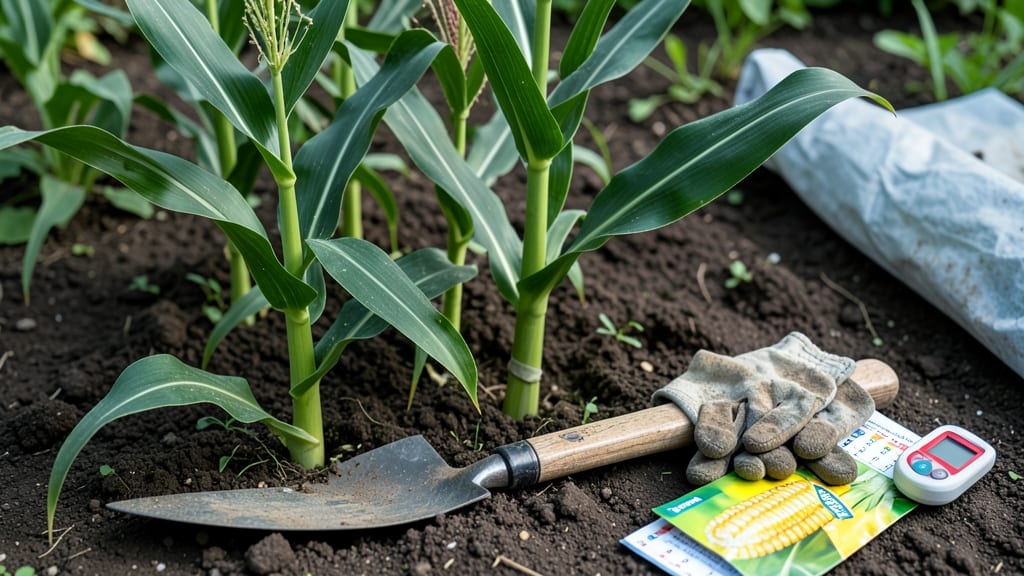
Timing your vegetable garden in Iowa isn't just about luck—it's about knowing when to plant to beat the frost and maximize your harvest.
With USDA Zones 5B and 6A, you've got a short window between last spring frost and first fall frost, and missing it by even a week can mean the difference between a thriving 🌱 garden and wasted effort.
I've learned the hard way that planting too early can leave your crops vulnerable to late frosts, while waiting too long might stunt their growth. The key is understanding your zone's frost dates and matching them to each vegetable's needs—whether it's heat-loving tomatoes or cool-season peas.
In this guide, I'll break down the exact planting windows for Iowa's most popular vegetables, from corn to lettuce, so you can plan like a pro. You'll discover how to extend your growing season with row covers and when to start seeds indoors for a head start.
Ready to turn your garden into a productive powerhouse? Let's dive into the strategies that actually work for Iowa gardeners—no guesswork required.
Iowa’s frost dates by zone (5B vs 6A): critical planting windows
Iowa’s USDA Hardiness Zones 5B and 6A create distinct planting windows that separate successful harvests from disappointing failures. The difference between these zones—just 5°F in average minimum temperatures—can shift your last spring frost by 1-2 weeks and your first fall frost by 10 days.
Understanding these dates is non-negotiable for Iowa gardeners, where warm-season crops like tomatoes and peppers need all summer to mature.
For Zone 5B (northern Iowa), the average last spring frost falls between April 25 and May 10, while Zone 6A (southern Iowa) typically sees frost-free conditions by April 15 to April 25.
These dates determine when you can safely plant warm-season vegetables like corn, beans, and squash—crops that cannot tolerate frost and need 60-90 days to harvest. Miss the window, and you’ll be staring at a wilted seedling or a stunted plant.
Fall frost dates are equally critical. In Zone 5B, the first frost usually arrives between October 10 and October 25, while Zone 6A holds off until October 20 to November 5.
This means cool-season crops like kale, spinach, and carrots have a 4-6 week longer growing window in the south. Planning for these dates lets you extend your harvest into late autumn with cold-hardy greens and root vegetables.
🌱 PRO TIP: Use the Iowa State University Extension’s frost date calculator (available [here](https://hortnews.extension.iastate.edu)) for your specific county. Their data accounts for microclimates—like urban heat islands or sheltered valleys—that can shift frost dates by up to 2 weeks.
| Zone | Last Spring Frost | First Fall Frost | Frost-Free Days | Key Crops |
|---|---|---|---|---|
| Zone 5B (North) | April 25–May 10 | October 10–25 | 130–150 days | Tomatoes, Peppers, Corn |
| Zone 6A (South) | April 15–25 | October 20–Nov 5 | 150–170 days | Sweet Potatoes, Okra, Eggplant |
🌡️ Note: Adjust for early varieties or row covers to extend seasons.
Knowing your frost dates isn’t just about when to plant—it’s about what to plant. In Zone 5B, where the growing season is shorter, focus on fast-maturing varieties like ‘Early Girl’ tomatoes (55 days) or ‘Ambassador’ peas (60 days).
In Zone 6A, you can afford longer-season crops like ‘Brandywine’ tomatoes (80 days) or ‘Buttercrunch’ lettuce (60 days), which may bolt in the north.
For warm-season crops, wait until soil temperatures reach 50°F+ (use a soil thermometer to check).
In Iowa, this typically aligns with your last frost date, but cool soils can stunt growth. Cool-season crops, like spinach and radishes, can handle cooler soils (40°F+) and can even be sown 4-6 weeks before your last frost date for an early harvest.
Don’t overlook fall planting, either. In Zone 6A, you can direct-sow kale and carrots as late as September 1 and still harvest before frost. Use row covers or cold frames to push these dates even later.
In Zone 5B, start cool-season crops indoors in July for a late-summer transplant.
One final tip: Track your local frost dates for 3-5 years to account for Iowa’s unpredictable weather patterns. A late frost in May or an early frost in September can derail even the best-la
Best vegetables to plant in Iowa by month: a seasonal guide
Iowa’s growing season is short but sweet—if you plant the right vegetables at the right time. Cool-season crops like peas and lettuce thrive in spring’s mild temperatures, while warm-season favorites like tomatoes and corn need to wait until after the last frost.
Missing these windows can mean sad, stunted plants or wasted seeds.
Here’s my month-by-month guide to planting Iowa’s top 12 vegetables, tailored for USDA Zones 5B and 6A. I’ll also share my pro tips for succession planting to keep your harvest rolling all summer long.
🌱
📅 Iowa Planting Calendar: Month-by-Month Guide
For Zone 6A gardeners, you’ve got a slightly longer window—about 2 weeks earlier for spring planting and 1-2 weeks later for fall crops. For example, I plant my tomatoes around May 15th in southern Iowa but wait until May 25th in northern areas.
Pro tip: Use row covers to extend your season by 2-3 weeks in spring or fall. I’ve seen gardeners in Zone 5B push their spinach harvests into early June this way!
🌿
Don’t forget about succession planting—this is how I keep my kitchen stocked with fresh veggies all summer. For example, I plant radishes every 2 weeks from April to July for continuous harvests.
The same goes for bush beans and lettuce—small batches every few weeks mean no gaps in your harvest.
For warm-season crops like corn and squash, time your planting so all your plants mature at once. I aim for 60-70 days between my first and last corn planting to ensure even pollination.