
Plants
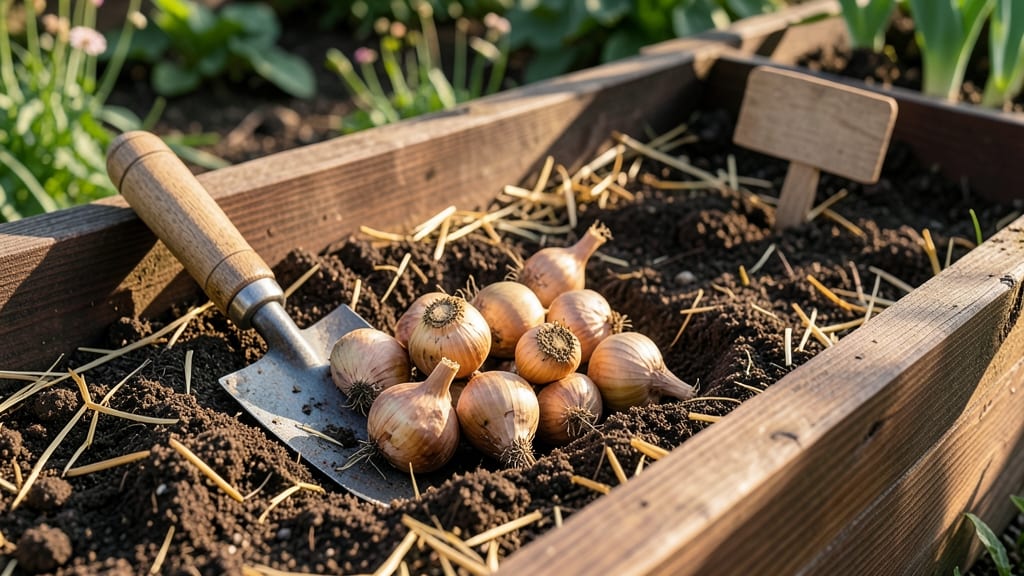
Planting gladiolus bulbs in Pennsylvania at the wrong time can turn your summer garden dreams into a frost-killed disaster—especially in Zone 6a, where timing is everything.
The difference between vibrant 🌸 blooms and wasted corms often comes down to those 4-6 weeks before your last frost date, which typically lands between mid-April and early May.
I’ve learned the hard way that rushing these bulbs into cold soil or planting too late risks stunted growth or missed blooms entirely. Pennsylvania’s unpredictable spring weather adds another layer of challenge, so knowing exactly when to get those corms in the ground is the key to success.
In this guide, I’ll break down the optimal planting window for your specific zone, soil prep tips to ensure strong roots, and how to adjust for early vs. late blooming varieties.
Whether you’re a first-time gardener or a seasoned pro, these insights will help you time your planting perfectly for summer-long color.
Let’s dive into the exact dates and conditions that’ll give your gladiolus the best possible start—because in Pennsylvania’s climate, patience and precision pay off in bold, beautiful blooms.
Pennsylvania gladiolus planting dates by hardiness Zone (6a vs 6b)
Pennsylvania's USDA Zones 6a and 6b create distinct windows for planting gladiolus bulbs, where timing directly impacts bloom success.
In Zone 6a (colder regions like Erie or Scranton), your last frost typically arrives around April 22, while Zone 6b (warmer areas like Harrisburg or Philadelphia) sees frost-free conditions by April 15.
These dates mark your 6-week planting window—plant too early, and frost will kill tender shoots; too late, and blooms arrive after summer's peak.
For both zones, aim to plant gladiolus corms between April 15 and May 15, aligning with soil temperatures of 60°F+. This timing ensures roots establish before summer heat arrives.
In Zone 6a, extend your window slightly later (May 1-15) to account for delayed warming, while Zone 6b gardeners can start as early as mid-April in microclimates like Pittsburgh's river valleys.
🌱
| Zone | Last Frost Date | Ideal Planting Window | Soil Temp Requirement | Key Adjustment |
|---|---|---|---|---|
| 6a (Erie, Scranton) | April 22 | May 1-15 | 60°F+ | Wait for soil warmth; use black plastic mulch |
| 6b (Harrisburg, Philly) | April 15 | April 15-May 1 | 60°F+ | Start earlier in urban heat islands |
| Microclimates (e.g., Pittsburgh) | April 10-20 | April 15-April 30 | 55°F+ | Plant near south-facing walls |
Microclimates play a crucial role in Pennsylvania. Urban areas like Philadelphia or Pittsburgh experience earlier soil warming due to pavement and buildings, allowing gladiolus planting as early as mid-April.
Conversely, rural Zone 6a regions may need to delay until early May. Use a soil thermometer to confirm 60°F+—gladiolus roots won't activate below this threshold.
Pro tip: In Zone 6a, extend your season by planting late-blooming varieties (like 'Green Star') in early June for fall color before frost. These varieties thrive with shorter daylight and produce stunning spikes in September-October.
For container gardening in Pennsylvania, plant 2-3 weeks earlier than ground planting. Pots warm up faster and can be moved to protected microclimates (e.g., against south-facing walls) to push back frost dates by 10-14 days. Just ensure containers have drainage holes to prevent rot from Pennsylvania's spring rains.
🌿
If you're unsure about your exact last frost date, check local records from Penn State Extension or use the National Oceanic and Atmospheric Administration (NOAA) frost maps. These resources account for 30-year averages and microclimate variations that generic planting guides often miss.
For example, State College (Zone 6a) averages April 25 for last frost, while Allentown (Zone 6b) sees frost-free conditions by April 18.
Remember: Gladiolus corms are non-hardy—they won't survive Pennsylvania winters. Plant them as annuals each spring, or dig and store them in well-drained containers after foliage yellows in fall. This practice also helps control gladiolus borer, a common pest in Pennsylvania gardens.
Pennsylvania gladiolus planting dates by hardiness Zone (6a vs 6b)
Pennsylvania’s Zone 6a and Zone 6b climates create distinct windows for planting gladiolus bulbs, where even a 2-week difference can impact bloom timing.
In Zone 6a (colder regions like Erie or the Poconos), aim for planting between April 15 and May 1, while Zone 6b (warmer areas like Pittsburgh or Harrisburg) can start slightly earlier, around April 1 and April 15.
These dates align with the last average frost date (typically mid-April) and ensure corms establish roots before summer heat arrives. However, Pennsylvania’s microclimates—like urban heat islands or sheltered valleys—can shift these windows by 1-2 weeks, so always monitor local forecasts.
🌱Pro Tip: Use a soil thermometer to confirm 60°F+ soil temps before planting, as cold soil delays root growth and increases frost risk.
🌿 Pennsylvania Gladiolus Planting Timeline
| Zone | Planting Window | Soil Temp | Bloom Time |
|---|---|---|---|
| 6a (Erie, Poconos) | April 15–May 1 | 60°F+ | July–August |
| 6b (Pittsburgh, Harrisburg) | April 1–April 15 | 60°F+ | June–August |
| Microclimate Adjustments | ±7 days | Verify with thermometer | Extend season |
For Zone 6a gardeners, planting after May 1 risks stunted growth, while Zone 6b regions can push the window to early May for late-summer blooms. Always account for 3-4 weeks of root establishment before summer heat peaks—this ensures your gladiolus have the energy to produce those showstopping spikes.
If you’re in a transition zone (e.g., near the Maryland border), err on the earlier side. I’ve found that succession planting—staggering bulbs every 2 weeks—extends your bloom season from June to September, perfect for Pennsylvania’s hot, humid summers.
Finally, avoid planting after June 1 in any zone, as corms need 6-8 weeks to mature before frost. In Pennsylvania’s climate, this means no fall planting—gladiolus corms won’t survive our winters outdoors.
☀️Key Takeaway: Zone 6a = April 15–May 1; Zone 6b = April 1–April 15. Adjust for microclimates, and always prioritize soil temperature over calendar dates.