
Companion Plants
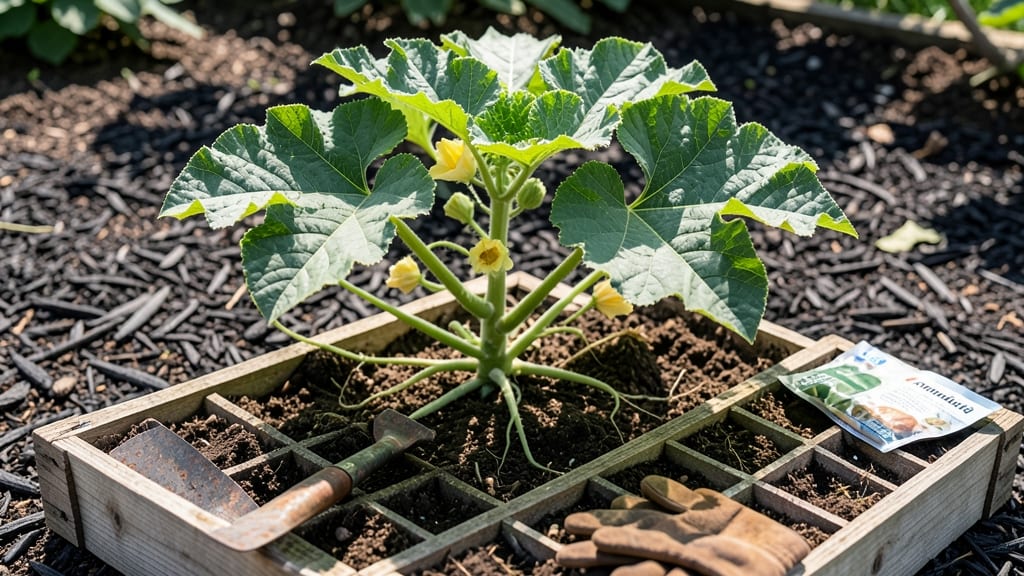
Timing your cantaloupe planting in Pennsylvania can make the difference between a bountiful harvest and wasted effort. With the right schedule, you'll enjoy sweet, ripe 🍈 fruits from July through September—but get it wrong, and you might end up with bitter melons or no crop at all.
Most Pennsylvania gardeners in zones 6a-7b should wait until after the last frost, typically around April 15, to plant cantaloupe seeds. The key is ensuring soil temperatures stay above 70°F—cold soil slows germination and weakens young plants.
Whether you're in rural Lancaster or an urban Philadelphia backyard, the principles are the same: patience and preparation. I'll walk you through the exact planting window, soil prep tips, and early care tricks to give your cantaloupe vines the best possible start.
By the end, you'll know exactly when to plant, how to protect your crop from late frosts, and which companion plants keep pests away. Let's get those seeds in the ground at the perfect moment for Pennsylvania's climate!
Pennsylvania’s cantaloupe planting timeline by last frost date
Pennsylvania’s three USDA climate zones (5a, 6a, 7a) create distinct planting windows for cantaloupe. In Zone 5a (northwest PA), your last frost typically arrives by May 15, while Zone 7a (southeastern PA) sees frost-free conditions by April 15.
Cantaloupe thrives in warm soil (70°F+), so timing is critical—plant too early, and your seeds will rot.
For direct sowing (planting seeds outdoors), wait until soil temperatures consistently reach 70°F—usually late May in Zone 5a and early May in Zone 7a.
If you prefer transplanting seedlings, start them indoors 4-6 weeks before your last frost date, then move them outdoors after all frost risk has passed.
Here’s your zone-specific planting schedule to avoid frost damage and maximize yields:
| USDA Zone | Last Frost Date | Direct Sowing Window | Transplant Window | Soil Temp Requirement |
|---|---|---|---|---|
| Zone 5a (NW PA) | May 15 | May 25 – June 10 | April 20 – May 5 (indoors) | 70°F+ (consistent) |
| Zone 6a (Central PA) | May 1 | May 10 – May 25 | March 20 – April 15 (indoors) | 70°F+ (consistent) |
| Zone 7a (SE PA) | April 15 | April 25 – May 10 | February 20 – March 15 (indoors) | 70°F+ (consistent) |
Pro tip: Use black plastic mulch to warm soil faster—this can push your planting window 1-2 weeks earlier in cooler zones. Lay it down 2-3 weeks before planting to raise soil temperatures by 5-10°F.
For urban gardeners in cities like Philadelphia or Pittsburgh, microclimates matter. If your backyard is warmer than surrounding areas (e.g., near buildings or pavement), you may plant 1 week earlier than the zone average. Always check your local Almanac frost dates for precision.
Cantaloupe seeds need 1 inch of soil warmth to germinate. Test soil temps with a soil thermometer—if it’s below 70°F, wait. Cold soil causes seed rot and poor germination rates. In Zone 5a, this often means waiting until late May.
Once planted, mulch heavily with straw or grass clippings to retain moisture and prevent soil crusting, which can suffocate young seedlings. Cantaloupe vines spread 3-6 feet wide, so space plants 2-3 feet apart in rows 5-6 feet apart for optimal airflow and sunlight.
In southern PA (Zone 7a), you can even try a second planting in early July for a fall harvest. Use heat-tolerant varieties like ‘Hale’s Best’ and provide drip irrigation to handle summer heat waves. Just be ready to harvest by early October before frost arrives.
🌱
How to extend your cantaloupe season in Pennsylvania’s short growing Zone
Pennsylvania’s growing season may feel short, but with the right strategies, you can push your cantaloupe harvest well into fall. The key is protecting tender vines from early frosts while maximizing warmth and sunlight.
I’ve grown cantaloupe in USDA zones 6a-7a for years, and these methods have doubled my harvest time—sometimes even into October with the right precautions.
Cantaloupes thrive in warmth, but PA’s unpredictable fall weather can cut your season short. Heat-tolerant varieties like ‘Athena’ or ‘Hale’s Best’ handle 90°F+ heat waves better than standard types. Pair them with season-extending tools, and you’ll enjoy fresh, sweet cantaloupes long after your neighbors’ plants have died back.
🌱 3 Proven Ways to Extend Your Cantaloupe Season
- 🔥 Use row covers after last frost to trap heat and protect vines from light frosts (28°F+). Remove during pollination to allow bees access.
- ☀️ Plant in black plastic mulch to warm soil 5-10°F faster, accelerating growth by 10-14 days. Pair with drip irrigation to maintain moisture.
- 📅 Try succession planting in early June for a second crop. Choose fast-maturing varieties (60-70 days) like ‘Sugar Bee’ to harvest before frost.
Don’t overlook cold frames—they’re a game-changer for fall cantaloupes. A simple hoop house with clear plastic can add 2-4 weeks to your season. I’ve seen cantaloupe vines survive 32°F nights under a cold frame, though yields may drop.
For best results, plant heat-loving varieties like ‘Ambrosia’ in late May under protection and remove covers by July to avoid overheating.
Watering plays a critical role in fall extension. Cantaloupes need consistent moisture, but overwatering before frost can stress plants. Switch to deep, infrequent watering in late summer to harden off vines. I’ve found that drip irrigation on a timer (early morning only) keeps soil ideal without wasting water.
For urban gardeners with limited space, container-growing works surprisingly well. Use 5-gallon pots with fast-draining mix and place them on patio heaters on chilly nights. Varieties like ‘Tasty Jewel’ mature in 75 days, giving you a late-summer harvest even in small yards.
Finally, monitor weather forecasts and act fast. If a hard frost (28°F or below) is predicted, harvest any ripe cantaloupes immediately and cover remaining plants with burlap sacks for insulation.
With these tricks, I’ve stretched my cantaloupe season from July to October—proving that PA’s short growing season isn’t a dealbreaker! 🍈