
Plants
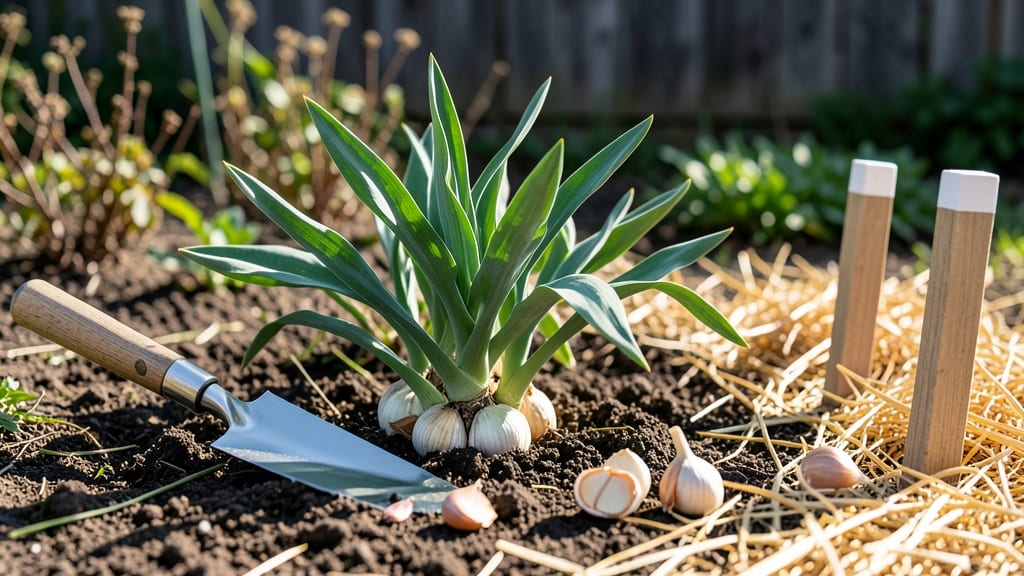
Planting garlic in Tennessee at the wrong time can mean the difference between a thriving harvest of plump bulbs and a sad, rotting mess in your garden. The key?
Timing it perfectly between October and November, when the soil is cool but not frozen—ideal for hardneck varieties like the popular 🧄 Rocambole or softneck types that store well.
Tennessee’s USDA zones 6a-7b give you a narrow window to work with, and getting it wrong—whether by planting too early (risking rot) or too late (small bulbs)—can leave you disappointed. But don’t worry: with the right schedule, you’ll be harvesting flavorful garlic by late June or July of next year.
I’ll break down exactly when to plant based on your location in the state, whether you’re in East Tennessee’s cooler hills or West Tennessee’s milder climate. Plus, I’ll share pro tips for soil prep and variety selection to ensure your garlic thrives from clove to harvest.
Ready to grow the best garlic Tennessee has to offer? Let’s get started—your future meals (and bragging rights) will thank you.
Best planting months for garlic in Tennessee by type (hardneck vs softneck)
Tennessee gardeners know timing is everything, especially for garlic. The state’s USDA zones 6a-7b create a perfect window for fall planting, but the best months depend on whether you’re growing hardneck or softneck varieties.
Hardneck varieties thrive in Tennessee’s cooler winters, while softneck prefers milder conditions. Let’s break down the ideal planting schedule for each.
For hardneck garlic—the variety prized for its scapes and robust bulbs—aim to plant between mid-October and early November. This timing ensures cloves establish roots before winter dormancy.
In East Tennessee’s cooler microclimates (Zone 6a), you can plant as early as late September, while West Tennessee’s warmer zones (7a-7b) may need to wait until early November.
Softneck garlic, often chosen for its longer storage life and braiding potential, has a slightly more flexible window. Plant between late October and mid-November in most of Tennessee.
If you’re in Southeast Tennessee (Zone 7b), you can push planting to early December, but avoid planting after the first frost—cloves won’t root properly.
Here’s the key difference: Hardneck garlic needs a cold period (40-50°F) for 60-90 days to form bulbs, while softneck can tolerate milder winters. Both varieties benefit from well-draining soil and full sun, but hardneck performs best in Tennessee’s cooler winter zones.
| Variety | Best Planting Window | Cold Requirement | Tennessee Adaptation |
|---|---|---|---|
| Hardneck Garlic | Mid-October to Early November | 60-90 days below 40°F | Ideal for Zones 6a-7a; produces scapes |
| Softneck Garlic | Late October to Mid-November | 30-60 days below 40°F | Best for Zones 7a-7b; stores longer |
🌱 Pro Tip: Use a garlic planting calculator to adjust for your exact last frost date.
If you’re in East Tennessee (Zone 6a), don’t wait until November—plant hardneck garlic in late September to ensure it roots before winter. In West Tennessee (Zone 7b), you can push planting to early December, but avoid planting after December 10 to prevent rot.
Both varieties will produce bulbs the following late June to July, but hardneck will yield scapes in May or June, adding extra harvest value.
For spring planting, Tennessee gardeners can attempt it, but results are inconsistent. Plant softneck garlic in February or March for a smaller harvest, but expect 50% smaller bulbs compared to fall-planted garlic. Spring planting works best in Southeast Tennessee’s warmer microclimates (Zone 7b), where winters are milder.
Choose your garlic variety based on your goals: Hardneck for scapes and bold flavor, or softneck for storage and braiding. Both thrive in Tennessee’s soil, but hardneck performs best in cooler winter zones, while softneck handles warmer winters like a champ.
Remember, the earlier you plant, the larger your bulbs will be. But don’t rush—cloves need 4-6 weeks of root growth before winter sets in. Check your local frost dates and adjust accordingly. For most of Tennessee, October is the sweet spot for both varieties.
Once planted, mulch heavily with straw or leaves to protect cloves from freeze-thaw cycles. This insulation keeps soil temps stable and prevents heaving. With the right timing and care, your Tennessee garlic harvest will be the talk of the neighborhood!
How to adjust your planting schedule for Tennessee’s frost dates and soil conditions
Timing your garlic planting in Tennessee isn’t just about picking a month—it’s about understanding your local frost dates and soil readiness. Since TN spans USDA zones 6a-7b, frost patterns vary by region. East TN tends to freeze earlier (late October) than West TN (mid-November), so adjust accordingly.
Aim to plant 4-6 weeks before the first hard frost—this gives cloves time to root before winter dormancy.
Check your last average frost date (typically mid-November in most of TN) and work backward. For example, if frost hits November 15, plant by October 15 for hardneck varieties. Softneck garlic, which matures slower, can tolerate later planting (up to December 1 in mild zones like Memphis or Chattanooga).
Planting garlic too early (before soil temps drop below 70°F) risks rot from excess moisture. Late planting (after November 15) often yields smaller bulbs due to shorter growing season.
🌡️ Soil temp tip: Use a soil thermometer—ideal planting temps are 40-50°F.
Preparing your soil is just as critical as timing. Garlic thrives in well-draining, loose soil with a pH between 6.0-7.0. Test your soil’s pH using a home test kit—TN’s clay-heavy soils often need compost or aged manure to improve drainage.
Work in 2-3 inches of organic matter (like leaf mold or composted straw) before planting to mimic garlic’s native woodland habitats.
If your soil is heavy clay (common in Middle TN), mix in sand or perlite to prevent waterlogging. Garlic hates soggy roots, which can lead to neck rot or white rot disease.
Raised beds are ideal for clay soils—they warm faster in spring and drain better. Just ensure beds are at least 6 inches deep to accommodate garlic’s root growth.
For container growing (great for urban TN gardeners), use pots 12+ inches deep with fast-draining potting mix. Plant cloves in early October and place containers in a protected spot (like a garage or cold frame) if frost threatens.
Containers warm up faster in spring, potentially extending your harvest window by 1-2 weeks.
Finally, mark your calendar for spring chores: remove mulch in late February to let soil warm, and watch for green shoots by March.
If you notice yellowing leaves in spring, it could signal nutrient deficiency—side-dress with compost tea or a low-nitrogen fertilizer (like 5-10-10) to encourage bulb development.