
Companion Plants
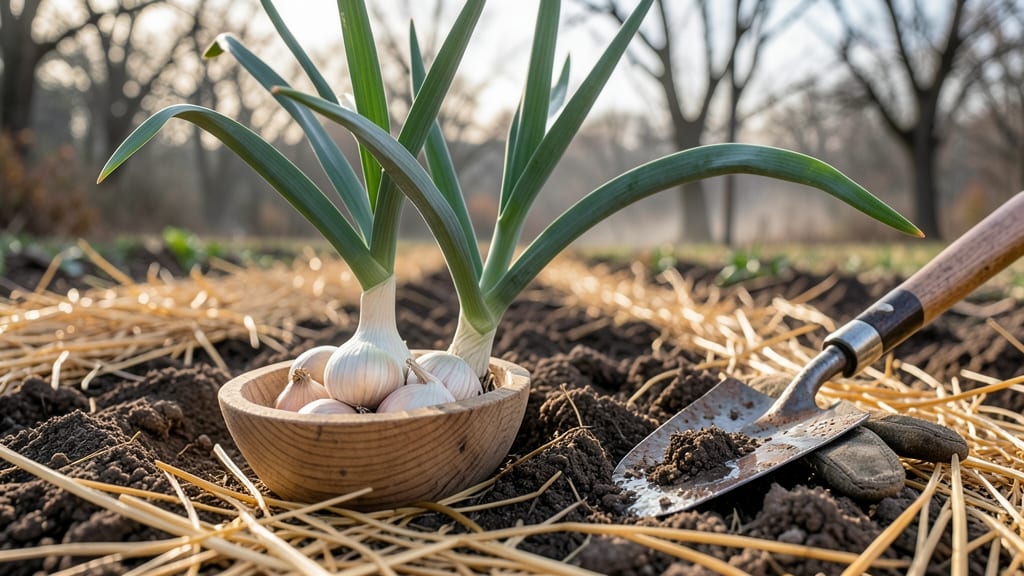
Timing your garlic planting in Zone 7 could mean the difference between a harvest of plump, flavorful 🧄 bulbs and disappointing small cloves. Unlike many crops, garlic thrives when planted during specific windows—fall or early spring—that align with its chill-hour needs.
Most gardeners in Zone 7 reach for their garlic cloves in October or November, but the real key lies in understanding whether you’re growing hardneck or softneck varieties—and how many cold hours your region actually delivers.
Coastal areas may get away with slightly later plantings, while inland spots need to act sooner to avoid winter’s bite.
If you’ve ever planted garlic only to watch it bolt too early or rot in soggy soil, you’re not alone. The solution starts with soil prep, spacing, and knowing exactly when to tuck those cloves into the earth.
I’ll walk you through the exact steps to time your planting perfectly, so you can enjoy a bountiful harvest by late June or July.
Ready to grow garlic that rivals the grocery store’s best? Let’s break down the science—and the simple tricks—so you can plant with confidence, whether you’re a first-time gardener or a seasoned pro.
Zone 7 garlic planting timeline by variety: hardneck vs softneck chill requirements
Zone 7 gardeners face a critical decision: fall planting for hardneck garlic or spring planting for softneck varieties. The difference? Chill hours—the number of hours below 40°F (4°C) your garlic needs to form bulbs.
Hardnecks require 400-600 chill hours, while softnecks need just 300-400 chill hours. Planting at the wrong time can leave you with small, weak bulbs or no harvest at all.
In Zone 7, your last frost date typically falls around mid-April, and your first frost arrives by mid-October. This narrow window means timing is everything. For hardnecks, aim to plant 6-8 weeks before ground freeze—usually late October to early November.
Softnecks are more flexible but still benefit from fall planting in September or early spring in February.
Regional microclimates in Zone 7 add complexity. Coastal areas like Savannah, GA, or Charleston, SC, may experience milder winters with fewer chill hours, while inland areas like Atlanta, GA, or Raleigh, NC, accumulate chill hours faster.
Always check your local NOAA climate data to fine-tune your planting schedule.
| Variety | Chill Hours Needed | Best Planting Window | Soil Temp for Planting | Harvest Time |
|---|---|---|---|---|
| Hardneck (e.g., Music, German White) | 400-600 hours | Late October - Early November | 40-50°F (4-10°C) | Late June - July |
| Softneck (e.g., Silverskin, Artichoke) | 300-400 hours | September or February - March | 40-50°F (4-10°C) | July - August |
🌱 Pro Tip: Use a soil thermometer to confirm soil temps before planting!
If you miss the fall planting window, don’t panic—softneck garlic thrives when planted in early spring (February-March). However, hardnecks planted in spring may not develop full-sized bulbs due to insufficient chill hours. For a year-round supply, plant both varieties: hardnecks in fall and softnecks in spring.
Soil preparation is just as critical as timing. Garlic loves well-draining, fertile soil with a pH of 6.0-7.0. Work in 2-3 inches of compost before planting, and avoid fresh manure, which can burn cloves.
In Zone 7, mulch heavily with straw or leaves after planting to protect cloves from freeze-thaw cycles.
Spacing matters too. Plant cloves 4-6 inches apart in rows 8-12 inches apart. Point the flat side down and cover with 2 inches of soil. In cooler microclimates, like mountainous areas of Zone 7, plant shallower (1 inch deep) to prevent rot.
Conversely, in warmer inland zones, plant deeper (3 inches deep) to protect cloves from early warming.
Once planted, water lightly to settle the soil, then reduce watering until spring growth begins. Overwatering in winter can drown cloves or cause rot.
In dry Zone 7 winters, like those in North Carolina Piedmont, a light irrigation every 2-3 weeks may be needed to keep soil moist but not soggy.
After the last frost date, garlic enters its rapid growth phase. This is when you’ll see green shoots emerge. Apply a light nitrogen fertilizer (like 5-10-10) to encourage leafy growth, but avoid over-fertilizing, which can reduce bulb size.
In Zone 7’s humid summers, watch for fungal diseases like white rot—space plants properly and water at soil level (not overhead) to prevent issues.
Harvest time arrives when lower leaves turn brown and crispy, but
How to calculate your Zone 7 chill hours for perfect garlic timing
Understanding your local chill hours is the key to timing garlic planting in Zone 7. Unlike hardy greens, garlic needs a specific number of cold hours below 40°F to form bulbs properly.
In Zone 7, this typically ranges from 300-600 hours, depending on whether you're growing hardneck or softneck varieties.
Start by checking your average first frost date (usually mid-October in Zone 7) and work backward. Most gardeners aim to plant 4-6 weeks before the ground freezes, but this window shifts slightly based on your chill-hour accumulation.
For example, if you live in a cooler microclimate (like higher elevations), you might need to plant earlier to meet the hardneck garlic requirement of 400-600 hours.
For precise timing, use NOAA climate data or a home weather station to track daily lows. Websites like Almanac.com or Weather Underground offer free chill-hour calculators.
Simply input your zip code and the tool will show you when your area typically hits the 300-400 hour mark (ideal for softneck) or 400-600 hour mark (ideal for hardneck).
🌱 Pro Tip: Adjust for Late Frosts
If your area is prone to late spring frosts (common in Zone 7), delay planting until mid-October to avoid premature sprouting. Use row covers or straw mulch to protect cloves if an early frost threatens.
Don’t forget to account for soil temperature, which should be between 40-50°F at planting time. Test your soil with a thermometer—planting too early in warm soil can trigger sprouting before winter sets in.
In warmer microclimates (like coastal Zone 7), aim for late October to ensure adequate chill hours.
For spring planting (less common but viable in Zone 7), time it so garlic gets its required chill hours before active growth resumes. Plant in February for a summer harvest, but monitor soil temps closely—garlic won’t tolerate freezing ground.
Once you’ve calculated your chill hours, mark your calendar for October 15th (a safe average for most of Zone 7) and adjust based on your data. The goal? Plant early enough for full chill-hour exposure but late enough to avoid premature sprouting in warm soils.