
Companion Plants
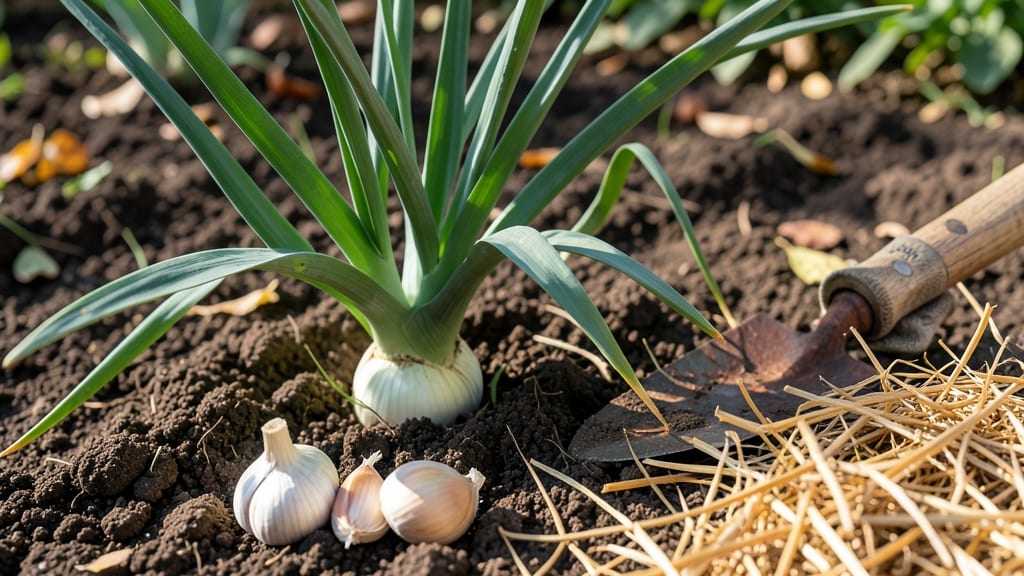
Planting garlic in Michigan at the wrong time can turn your 🧄 dreams into disappointment—but getting the timing right means the difference between a harvest full of plump bulbs and wasted effort.
With Michigan’s 5b-6b climate, you need to work with chill-hours and frost dates to set your garlic up for success.
Most gardeners know fall is the prime window, but did you realize planting in October or November gives your garlic the 300–600 chill-hours it craves? That’s the secret sauce for forming those big, flavorful bulbs you’ll harvest next summer. Skip the spring rush—unless you’re willing to gamble on smaller yields.
Here’s the game-changer: Northern Michigan’s earlier frosts mean you’ve got a tighter window than the Lower Peninsula. We’ll break down exactly when to plant in your specific zone, plus how to prep your soil and avoid common pitfalls that ruin harvests.
Ready to grow garlic that rivals the grocery store? Let’s dive into the step-by-step timing that’ll have your cloves thriving—and your kitchen stocked—by next July.
Michigan garlic planting zones: chill-hours & frost timing explained
Michigan’s USDA hardiness zones 5b-6b create unique challenges for growing garlic, which requires 300–600 chill-hours to form bulbs properly. The Upper Peninsula (Zone 5b) typically gets more chill-hours earlier than the Lower Peninsula (Zone 6a-6b), so planting windows shift slightly between regions.
Understanding these differences ensures your garlic gets the cold exposure it needs while avoiding early frosts that can damage young plants.
Most Michigan gardeners aim to plant garlic in late September through November, but the exact timing depends on your last average frost date. In northern Michigan, frost can arrive as early as mid-October, while southern Michigan often holds off until late November.
The key is planting 4–6 weeks before the ground freezes—this gives cloves time to root before winter dormancy sets in.
Garlic also needs well-draining soil and a sunny location (6+ hours of sunlight daily). If your soil is heavy clay, amend it with compost or sand before planting. Avoid planting in areas where alliums (onions, leeks) grew last year to prevent disease buildup.
🌱 Michigan Garlic Planting Zones Summary
| Region | USDA Zone | Chill-Hours Needed | Ideal Planting Window | Last Frost Date |
|---|---|---|---|---|
| Upper Peninsula | 5b | 500–600 | Late September–October | Mid-October |
| Northern Lower Peninsula | 6a | 400–500 | October–November | Late October |
| Southern Lower Peninsula | 6b | 300–400 | November–Early December | Early November |
Note: Adjust planting dates if your area experiences early or late frosts. Use a local frost calendar for precision.
If you miss the fall window, you can still plant garlic in early spring (March), but yields will be smaller because the bulbs won’t develop as fully without adequate winter chill-hours.
For best results, stick to fall planting and choose varieties like ‘German White’ or ‘Silverskin’, which thrive in Michigan’s climate.
Another critical factor is soil temperature. Garlic cloves won’t sprout until the soil reaches 40–50°F. If you plant too early and the ground stays warm, the cloves may rot before roots establish. Use a soil thermometer to monitor conditions if you’re unsure.
Pro tip: Plant softneck varieties (like ‘Artichoke’) if you’re in Zone 6b, as they tolerate slightly warmer winters. Hardneck varieties (like ‘Music’) need more chill-hours and are better suited for Zone 5b areas. Always buy organic, untreated garlic bulbs from a reputable supplier to avoid diseases.
Once planted, mulch with straw or leaves (3–4 inches deep) to insulate the soil and protect cloves from freeze-thaw cycles. Remove the mulch in early spring to allow sunlight to reach the emerging shoots. This simple step can double your harvest size by preventing root damage.
For gardeners in urban areas or with limited space, consider growing garlic in containers or raised beds. Just ensure the container is at least 12 inches deep and has drainage holes. Use a well-draining potting mix amended with compost for best results.
Finally, keep an eye on local weather forecasts in late fall. If an unusually warm spell is predicted, delay planting until temperatures drop. The goal is to give your garlic 6–8 weeks of root growth before the ground freezes solid.
Step-by-step guide: when to plant garlic in Michigan’s climate
Michigan’s fall planting window for garlic is your best bet—aim for October to early November when soil temps drop below 40°F. This gives cloves enough time to root before winter dormancy. In the Upper Peninsula, where winters arrive earlier, plant by mid-October to avoid frost damage.
If you miss fall, you can plant in early spring (March), but yields may be smaller since garlic needs 300–600 chill-hours to form bulbs properly. Spring-planted garlic often produces scape-free bulbs but lacks the robust flavor of fall-planted varieties.
📋 Michigan Garlic Planting Timeline
- October (Ideal): Plant 4–6 weeks before ground freezes (soil temp 40°F). Break bulbs into individual cloves, plant 2 inches deep, 6 inches apart.
- November (Late Fall): Cover beds with 4–6 inches of straw to insulate cloves. Mulch prevents heaving during freeze-thaw cycles.
- March (Spring Backup): Plant hardneck varieties only; softnecks struggle with late-season heat. Use shade cloth if temps exceed 75°F.
- April–May: Remove mulch, add compost (1 inch), and water deeply. Avoid fertilizing—garlic needs low nitrogen to form bulbs.
- July–August: Harvest when lower leaves brown and stems flop. Cure bulbs in a dry, shady spot for 2–3 weeks before storing.
For soil prep, test your garden beds in September—garlic thrives in loamy, well-draining soil with a pH of 6.0–7.0. Amend heavy clay with compost or sand to prevent waterlogging, which causes rot. Add a balanced fertilizer (5-10-10) at planting time to kickstart root growth.
Watch for early frosts in northern Michigan (Upper Peninsula). If temps drop below 20°Frow covers or extra mulch. In southern Michigan (USDA Zone 6b), you have until late November to plant, but avoid waiting too long—cloves need time to establish roots before winter.
Pro tip: Plant hardneck varieties like 'Music' or 'German White' for Michigan’s climate—they handle cold better and produce scape shoots (edible greens in spring). Softnecks like 'Silverskin' are better for warmer regions and don’t need chill-hours.
Adjust your schedule if Michigan’s weather throws curveballs. Use a soil thermometer to confirm planting readiness—cloves won’t sprout until soil temps drop to 40–50°F. If you’re unsure, plant early in October; garlic is forgiving and can wait for cooler temps.