
Plants
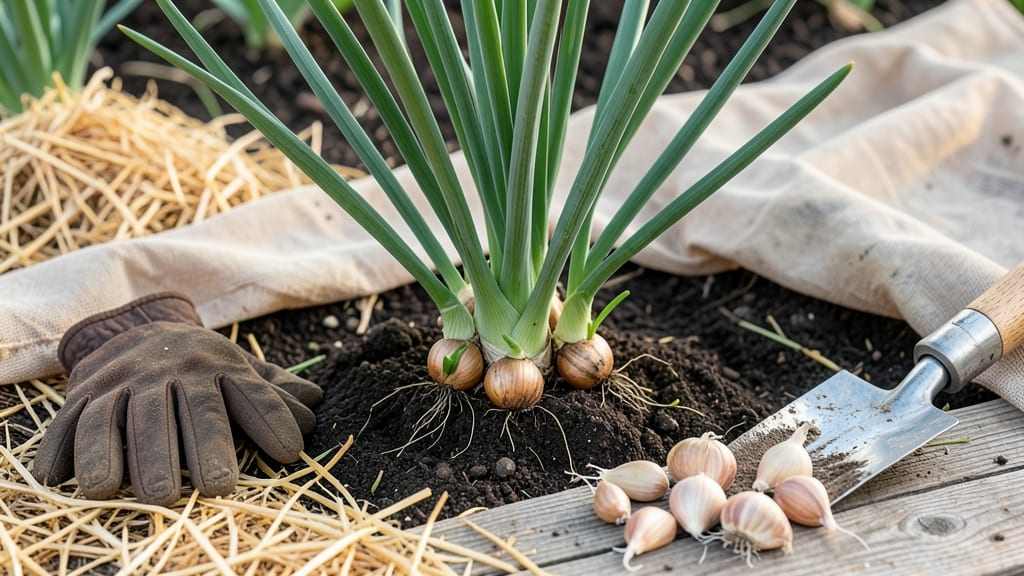
Planting garlic in North Dakota isn't just about timing—it's about outsmarting the cold to grow plump, flavorful bulbs that survive brutal winters. The key window for planting 🧄 is between September and October, when soil temperatures drop but the ground remains workable before frost locks it solid.
Why does this matter? Because hardneck varieties—your best bet for North Dakota's 3b-5a zones—need 6-8 weeks of cold stratification to develop properly. Plant too early, and your cloves may sprout before winter sets in. Too late, and they won't establish roots before the ground freezes.
What you're about to discover is how to nail that perfect window—plus tips for adjusting when Mother Nature throws curveballs like early snow or unseasonable warmth.
We'll cover soil prep, mulching strategies, and the hardy varieties that actually thrive here, so you can look forward to harvesting next summer instead of wondering if your crop survived.
Let's break down exactly when to plant, how deep to bury those cloves, and what to watch for as winter settles in. Your future garlic harvest depends on getting this right—and trust me, the payoff is worth it.
Best planting months for garlic in North Dakota’s climate zones
Garlic thrives in North Dakota’s cold winters, but timing your fall planting correctly is critical for success. The ideal window is between mid-September and mid-October, allowing cloves to establish roots before the ground freezes.
This aligns with USDA Zones 3b-4a, where hardneck varieties like ‘German White’ and ‘Music’ excel.
Planting too early risks rot from excess moisture, while late planting may leave insufficient time for bulb development. Aim to finish by October 15, when average soil temps drop below 40°F.
In Zone 4a (e.g., Fargo), this window shifts slightly later—late September to early November—due to milder winters.
For gardeners in Zone 3b (e.g., Bismarck), prioritize early September planting to ensure roots form before frost. Use a soil thermometer to confirm temps are 50–60°F at planting depth (4–6 inches). This ensures cloves sprout but don’t send up shoots until spring.
⚠️ Critical Tip: If your area experiences early frosts (before October), plant hardneck varieties first—they tolerate cold better than softnecks. Adjust for snow cover, which insulates soil naturally, extending the safe planting window.
| Zone | Ideal Planting Window | Soil Temp Threshold | Key Consideration |
|---|---|---|---|
| 3b (Bismarck) | Early September–Mid-October | 50–60°F (10–15°C) | Early frost risk; prioritize hardnecks |
| 4a (Fargo) | Mid-September–Early November | 45–55°F (7–13°C) | Later frost dates; extend window with mulch |
| All Zones | 4–6 weeks before freeze | Below 40°F (4°C) | Avoid planting after first hard frost |
Use local frost date data from the ND State Climate Office to refine your schedule. For example, Minot (Zone 4a) typically sees its last frost around May 15, but garlic planted in late October still yields well due to snow insulation.
If you miss the fall window, spring planting is possible but yields smaller bulbs. Plant shallowly (2 inches deep) in March or early April, using smaller cloves (they sprout faster). However, this method is less reliable in North Dakota’s short growing season.
For container gardening, plant in late September and use black plastic pots to absorb heat. Place containers near south-facing walls to extend the season. Always use well-draining soil to prevent rot during spring thaws.
Test soil pH (6.0–7.0) before planting—North Dakota’s clay-heavy soils often need compost or sand for drainage. Amend beds with aged manure or worm castings to boost fertility without burning cloves.
🌱 Pro Tip: Label your garlic beds immediately—hardnecks and softnecks look identical until they bolt! Use biodegradable plant markers for easy identification next spring.
Best planting months for garlic in North Dakota’s climate zones
North Dakota’s USDA zones 3b–4a demand precise timing for garlic success. The ideal planting window is late September to mid-October, when soil temperatures drop below 50°F (10°C) but before the ground freezes.
This 6-week window ensures bulbs establish roots before winter dormancy. Missing this can lead to stunted growth or failed crops.
For hardneck varieties, the cold stratification period is critical—they need 4–6 weeks of cold to develop strong bulbs. Planting too early (August) risks premature sprouting, while waiting until November may leave cloves vulnerable to freeze damage before rooting.
Soil temperature is your best guide: Aim for 40–50°F (4–10°C) at planting depth (4–6 inches). Use a soil thermometer to check—if temps drop below 32°F (0°C), cover beds with straw mulch (4–6 inches) to insulate cloves.
| Timing Factor | North Dakota Specification | Key Action |
|---|---|---|
| Optimal Planting Window | Late September–Mid-October | Plant 4–6 weeks before ground freeze |
| Soil Temperature | 40–50°F (4–10°C) | Use thermometer; adjust mulch if needed |
| Frost Timing | First frost: Mid-October | Plant by October 15 for root establishment |
| Backup Window | Early November (if soil unfrozen) | Use extra mulch; expect smaller bulbs |
| Hardneck Variety Needs | 60–90 days cold exposure | Choose early-maturing types for ND’s short season |
If you’re in Zone 3b (northern ND), prioritize early-maturing hardnecks like ‘German White’ or ‘Chesnok Red’, which tolerate longer cold periods. In Zone 4a (southern ND), you have slightly more flexibility—plant Music or Silverskin varieties up to early November if soil remains workable.
Pro tip: Test your soil’s freeze depth by pushing a stick into the ground. If it’s 4+ inches deep, your cloves are safe. For deeper freezes, add extra straw mulch (6+ inches) to protect emerging shoots in spring. This insulation also prevents soil heaving during freeze-thaw cycles.
Remember, garlic planted in fall grows 60% larger than spring-planted cloves in North Dakota’s climate. The cold winter triggers bulb formation, so don’t skip this step—even if you’re tempted by spring planting for convenience. 🧄