
Plants
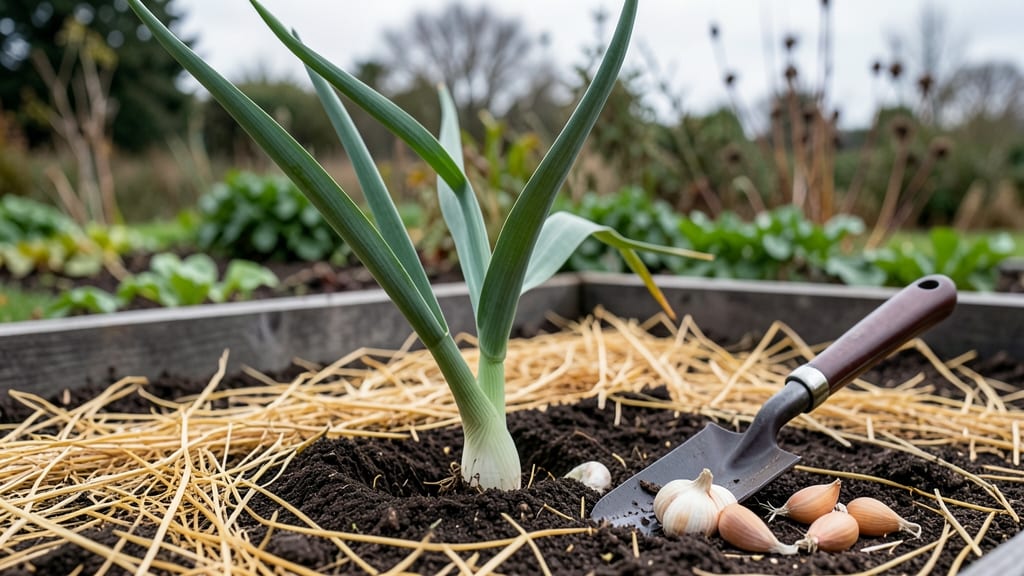
Planting garlic at the wrong time in North Carolina can mean the difference between a thriving crop and wasted effort—yet most gardeners miss the narrow fall window that guarantees strong root growth before winter.
If you're growing 🧄 garlic in zones 7a-8b, timing is everything. The secret to bigger bulbs lies in planting cloves 4-6 weeks before the ground freezes, typically between October and November. This gives roots time to establish before winter dormancy kicks in.
But here's the catch: your region matters. Coastal Plain areas have different frost dates than the Piedmont or Mountains, so I'll break down the exact windows for each. Plus, we'll cover soil prep and variety choices to set you up for success.
Ready to grow plump, flavorful garlic? Let's dive into the fall planting schedule that works for North Carolina's climate—no guesswork required.
Optimal fall planting dates for garlic in North Carolina by region
North Carolina's diverse climate—from the Coastal Plain to the Mountains—means garlic planting dates vary by USDA Zone (7a-8b). The key is planting 4-6 weeks before ground freezes, allowing roots to establish before winter dormancy. Miss this window, and your garlic may rot or produce small bulbs.
Use your last average frost date as your guide: Coastal areas (Zone 8a) can plant later, while mountain regions (Zone 7a) need earlier timing. For example, Asheville gardeners should plant by mid-October, while Wilmington gardeners can wait until early November.
Here’s how to align your planting with North Carolina’s three distinct regions, using data from the NC State Extension and local frost records:
For gardeners in transition zones (e.g., Greensboro or Durham), aim for early October planting. Check your local NC Cooperative Extension office for precise frost dates—some years, the window shifts by 1-2 weeks due to unpredictable weather.
Pro tip: Plant hardneck garlic in fall for larger bulbs, but softneck varieties (like 'Artichoke') can tolerate slightly later planting. Save softneck for spring planting (February–March) if you miss the fall window.
Soil temperature is just as critical as frost dates. Garlic roots need 40–50°F soil temps to establish. Use a soil thermometer to confirm readiness—planting in warm soil (>60°F) can stunt root growth before winter.
If you’re in Zone 8b (Coastal Plain), don’t wait past November 15. The risk of winter heaving (bulbs pushing out of soil) increases, and garlic may not mature properly. For mountain regions, September planting is safer if frost arrives early.
Verify your region’s frost dates using the NC State Climate Office or Almanac’s Frost Calculator. For example, Asheville’s average first frost is October 20, while Wilmington’s is November 15—a 3-week difference that matters for garlic success.
Remember: Garlic planted in fall produces larger bulbs than spring-planted garlic. The 6-month cold period is essential for bulb development, so don’t skip the fall window unless you’re prepared for smaller harvests.
Optimal fall planting dates for garlic in North Carolina by region
North Carolina's diverse climate means your planting window depends on whether you're in the Coastal Plain, Piedmont, or Mountains. Each region has different frost dates, so timing is critical for maximum bulb development. I’ll break down the exact windows to plant 🧄 garlic for each area.
For Coastal Plain (Zones 8a-8b), aim for planting between mid-October and early November. This region has milder winters, so roots need time to establish before the first frost, typically around mid-November.
In the Piedmont (Zones 7a-7b), plant from late September to mid-October, as frost arrives earlier, around late October to early November.
The Mountains (Zones 6a-7a) have the earliest frost, so plant between mid-September and late October. The goal is to give roots 4-6 weeks of growth before the ground freezes. Check your local NC State Extension frost dates for precision, as microclimates can shift windows by weeks.
Here’s a quick comparison to help you pick the right window for your region:
If you miss the fall window, you can still plant in late winter (February-March), but bulbs will be smaller. This method works best in warmer microclimates like Coastal Plain areas. For most NC gardeners, fall planting yields the best results.
Pro tip: Use a soil thermometer to check that soil temps are below 50°F before winter. This signals it’s time to mulch heavily (3-4 inches) to protect cloves. 🌱