
Flowers
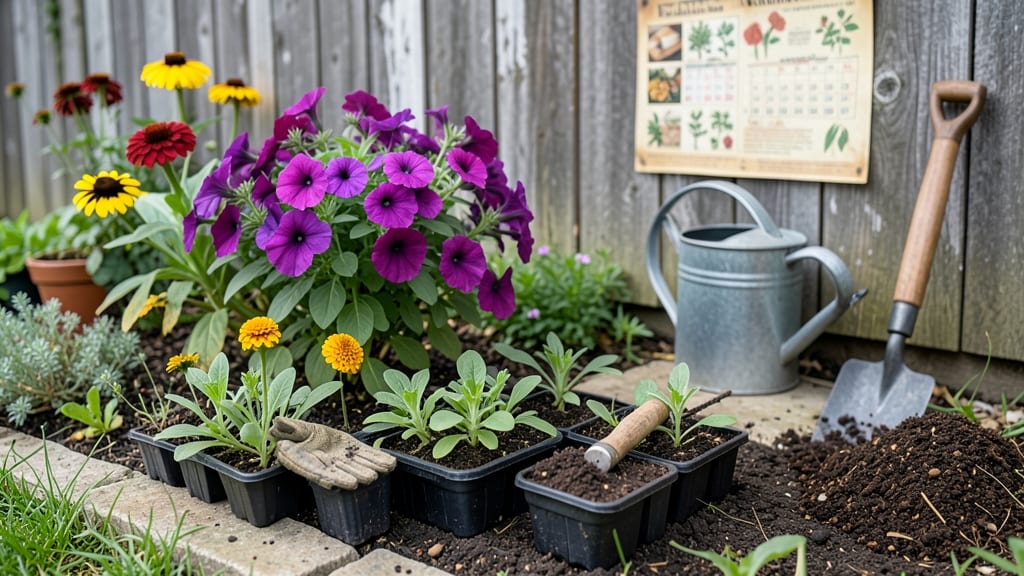
Planting your 🌸 flowers in NJ at the wrong time can mean the difference between a showstopping garden and a sad, frost-killed mess. With New Jersey’s unpredictable spring weather—where last frost dates can swing from mid-April to early May—getting the timing right is everything.
I’ve learned the hard way that rushing annuals like petunias into the ground too soon in North Jersey (Zone 6a) often leads to wilted disappointment.
But here’s the good news: whether you’re dreaming of vibrant spring blooms or a burst of fall color, mastering the two key planting windows—early spring and late summer—will set you up for success all season long.
In this guide, I’ll break down exactly when to plant your favorite flowers, from cold-hardy tulips to heat-loving zinnias, so you can avoid common NJ mistakes.
We’ll also cover how to stretch your growing season with simple tricks like row covers and mulch—because even the most experienced gardeners need a little help when Mother Nature throws curveballs.
Ready to transform your garden into a year-round floral masterpiece? Let’s dive into the science-backed timing that’ll have your 🌸 flowers thriving from spring to fall—no guesswork required.
NJ’s frost dates explained: the critical timeline for spring vs fall planting
New Jersey’s USDA Hardiness Zones 6a-7a mean frost dates can shift dramatically between North Jersey and South Jersey. While the average last spring frost falls around April 15 in most areas, a late freeze can linger until May 15—especially in higher elevations.
This variability is why timing matters more than just calendar dates.
For spring planting, I always follow the 10-day rule: Wait until 10 days after your area’s average last frost date. This buffer accounts for unpredictable weather and gives young plants time to establish roots before temperatures dip again.
In fall, aim to plant 6-8 weeks before your first frost (typically mid-October in NJ).
Cold-hardy annuals like pansies and snapdragons can handle light frosts, but tender varieties (think petunias or geraniums) need to wait until the coast is clear. Perennials, on the other hand, often thrive when planted in early spring or fall, giving roots time to settle before winter dormancy.
Here’s how NJ’s frost-free window breaks down by region:
- North Jersey (Zone 6a): Last frost April 20–May 5, first frost October 15–20
- Central Jersey (Zone 6b): Last frost April 10–20, first frost October 5–15
- South Jersey (Zone 7a): Last frost March 25–April 10, first frost October 20–November 5
| Plant Type | Spring Planting Window | Fall Planting Window | Frost Tolerance |
|---|---|---|---|
| Cold-Hardy Annuals | After April 15 (or when soil is workable) | September 1–15 (6 weeks before frost) | Survives 28°F (e.g., pansies, snapdragons) |
| Tender Annuals | After May 1 (or when night temps stay above 50°F) | Not recommended (unless using row covers) | Dies below 32°F (e.g., petunias, marigolds) |
| Perennials | March–April (before buds break) | September–October (6 weeks before frost) | Varies (32°F–10°F tolerance) |
| Bulbs (Spring-Blooming) | September–October (6–8 weeks before frost) | Not applicable (plant in fall for spring blooms) | Survives winter dormancy |
| Bulbs (Fall-Blooming) | March–April (after frost risk passes) | Not applicable (plant in spring) | Needs 60°F+ soil to sprout |
To track frost dates in real time, I rely on the NJ State Climate Office or local Cooperative Extension reports. These resources provide hyper-local data, which is crucial since a 5-mile elevation change can shift frost dates by a week or more.
For example, High Point (Zone 6a) might still see frost in early May, while Cape May (Zone 7a) could be frost-free by early April.
Pro tip: If you’re in doubt, opt for slow-release fertilizers or
Best flowers to plant in NJ by season: a month-by-month survival guide
New Jersey’s two planting seasons—spring and fall—offer perfect windows to grow 🌸 flowers that thrive in our USDA Zones 6a-7a.
But not all flowers are created equal: some, like tulips and daffodils, can handle early spring chill, while others, like petunias and marigolds, need warmer soil to take root. Here’s my battle-tested month-by-month guide to planting the best flowers for NJ’s climate.
For spring planting, focus on March through May after the last frost date (typically April 15–May 15). Start with cold-hardy annuals like pansies and snapdragons in March, then transition to heat-loving picks like zinnias and cosmos in May.
Meanwhile, fall planting (August–September) lets you sneak in perennials like daylilies and black-eyed Susans before winter sets in.
🌱 Pro Tip: Always check your local NJ frost chart (like the one from Rutgers Cooperative Extension) before planting tender varieties—even a 28°F night can devastate unprepared flowers.
| Season | Best Flowers | Planting Month | Sunlight Needs | Frost Tolerance |
|---|---|---|---|---|
| Spring |
|
March–April | Full Sun to Partial Shade | High (32°F+) |
| Spring |
|
May | Full Sun | Low (frost-sensitive) |
| Fall |
|
August–September | Full Sun to Partial Shade | Medium (32°F+) |
| Fall |
|
September | Full Sun | High (32°F+) |
If you’re planting bulbs in fall (like tulips or daffodils), aim for October—this gives roots time to establish before winter. For perennials like daylilies, late summer (August) is ideal because they’ll settle in before the ground cools.
And don’t overlook NJ-native flowers like bee balm and butterfly weed—they’re low-maintenance and attract pollinators all season.
🌿 Key Takeaway: Spring is for cool-season annuals, while fall is for perennials and bulbs. Stick to this schedule, and you’ll enjoy non-stop blooms