
Flowers
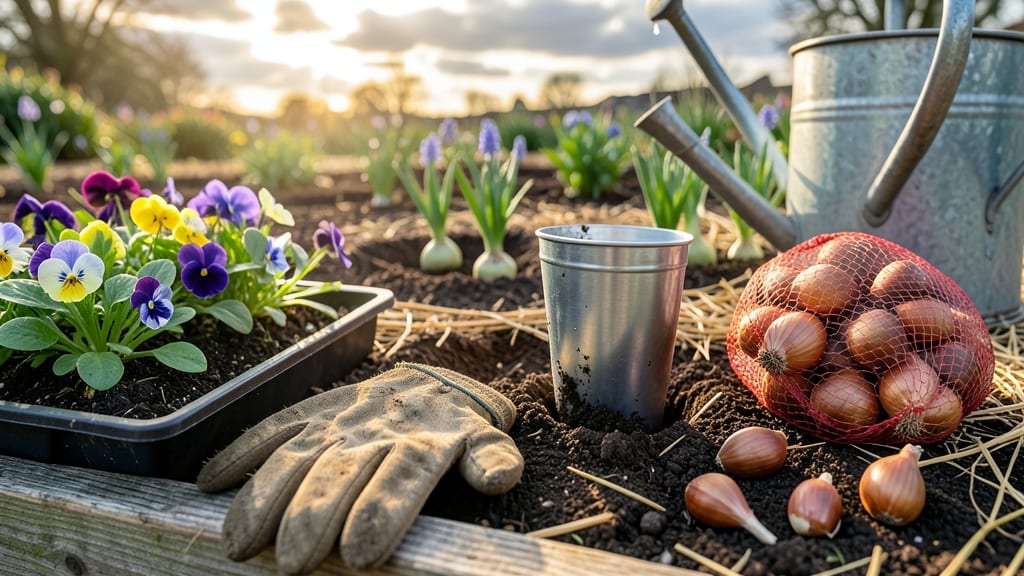
Planting flowers in spring at the wrong time can turn your garden dreams into a sad, frosty disappointment—that last frost date isn’t just a number, it’s your planting deadline.
Whether you’re in chilly Zone 6a or a warmer region, timing matters more than you think, especially when 🌸 your favorite annuals and perennials are on the line.
Most gardeners wait until after the last frost to plant, but here’s the catch: soil temperature and local microclimates can shift that window by weeks. In Zone 6a, where the average last frost hits around mid-March, rushing to plant too early can leave delicate seedlings vulnerable to surprise freezes.
The key? Learning how to read your region’s cues—like blooming crocus or soil that’s warm enough to touch.
In this guide, I’ll break down the exact planting windows for your area, from cool-loving pansies to heat-seeking marigolds, plus how to adjust if your spring runs late.
You’ll also discover the 5 signs your soil is truly ready (not just the calendar) and how to prep it faster if Mother Nature plays hard to get.
No more guessing games—just climate-smart timing so your flowers thrive from the first bloom. Let’s get started.
Spring flower planting dates by USDA Hardiness zones (with frost risk alerts)
Timing your spring flower planting is all about avoiding frost damage while catching the soil’s natural warmth. The USDA Hardiness Zone system helps narrow down your window—most flowers thrive when planted 2–4 weeks after your last frost date.
But here’s the catch: Zone 3 gardeners may plant earlier than Zone 10 growers, even if both are in spring!
For example, pansies and snapdragons (cool-season stars) can handle light frosts, while petunias and marigolds (warm-season divas) need consistent 50°F+ soil. My rule? Test soil temps with a thermometer—if it’s below 50°F, wait it out.
In Zone 6a (like my garden), that’s usually late April to early May.
Here’s the frost risk breakdown by zone, plus plant-specific windows for 12 popular flowers. Pro tip: Desert climates (Zone 9b+) often plant earlier than coastal zones—adjust for microclimates!
| USDA Zone | Last Frost Date (Avg.) | Planting Window | Cool-Season Flowers (Examples) | Warm-Season Flowers (Examples) |
|---|---|---|---|---|
| 3–4 | May 1–15 | Mid-May to early June | Pansies, Sweet Alyssum, Violas | Marigolds, Zinnias (after June 1) |
| 5–6 | April 15–May 1 | Late April to mid-May | Snapdragons, Calendula, Dianthus | Petunias, Geraniums, Sunflowers |
| 7–8 | March 1–April 15 | Early March to early April | Tulips, Hyacinths, Primroses | Impatiens, Coleus, Vinca |
| 9–10 | January 15–March 1 | Late January to early March | Sweet Peas, Stock, Larkspur | Begonias, Hibiscus, Lantana |
Regional quirks matter! In Pacific Northwest (Zone 7b), cooler maritime air delays planting by 2–3 weeks compared to inland areas. Meanwhile, desert zones (9a–10a) can plant warm-season flowers as early as January—just mulch heavily to retain moisture.
My Zone 6a garden uses row covers to plant cool-season flowers in March, even if frost lingers.
Don’t rely solely on calendar dates. Check your local cooperative extension service for hyper-local frost data—some years, a late-May frost can wipe out early plantings. I once lost $40 worth of petunia starts in Zone 6a because I trusted the "average" last frost instead of real-time weather.
For container gardening, timing shifts slightly: potted flowers warm up faster, so you can plant 1–2 weeks earlier than in-ground. Just ensure drainage holes are present—root rot from cold, soggy soil is a silent killer.
My balcony geraniums thrive when moved outside by mid-April, even if the ground is still chilly.
Pro move: Start seeds indoors 4–6 weeks before your last frost date. This lets cool-season flowers (like snapdragons) get a head start, while warm-season flowers (like
How to adjust planting timing for cool vs. warm-season flowers
Not all spring flowers thrive under the same conditions—some love cool mornings, while others crave warmth. Cool-season flowers like pansies and snapdragons can handle light frosts, but warm-season favorites like marigolds and zinnias need soil temperatures above 60°F to germinate. Misjudging these needs can delay blooms or even kill seedlings.
Your local climate plays a huge role. In Zone 5 or colder, you might start cool-season flowers indoors in March, while Zone 8+ gardeners can sow them directly in February.
Warm-season flowers often wait until after Memorial Day in northern areas, but Zone 10 gardeners may plant them as early as January.
Here’s how to match your flowers to the right timing—and extend your planting window with smart tricks:
- ✅ Snapdragons: Start seeds indoors 8–10 weeks before last frost or sow directly 4–6 weeks before frost.
- ✅ Pansies: Direct-sow 4–6 weeks before last frost; they tolerate 20°F temps.
- ✅ Sweet Peas: Sow 6–8 weeks before last frost for early blooms.
- 💡 Pro Tip: Use row covers to plant 2–3 weeks earlier in frost-prone zones.
- ✅ Marigolds: Wait until soil hits 60°F (usually 2–4 weeks after last frost).
- ✅ Zinnias: Sow directly 1–2 weeks after last frost for best germination.
- ✅ Sunflowers: Plant 2–3 weeks after last frost in cooler zones; earlier in warm climates.
- 💡 Pro Tip: Try succession sowing every 2 weeks for continuous blooms.
If your spring is unpredictable, start cool-season flowers indoors in late winter to beat frost delays. For warm-season blooms, harden off seedlings gradually if you’re planting early—cold snaps can shock tender plants. Monitor your local 7-day forecast and adjust timing if frost is predicted.
Another trick? Use black plastic mulch to warm soil faster for warm-season flowers. Lay it down 2–3 weeks before planting to create a microclimate. Just remove it before seeds sprout to avoid overheating.
Remember: Annuals like petunias need warm soil but can’t handle heatwaves—plant them in morning sun spots to prevent wilting. Perennials like coneflowers are more forgiving; they’ll rebloom even if planted slightly late.