
Plants
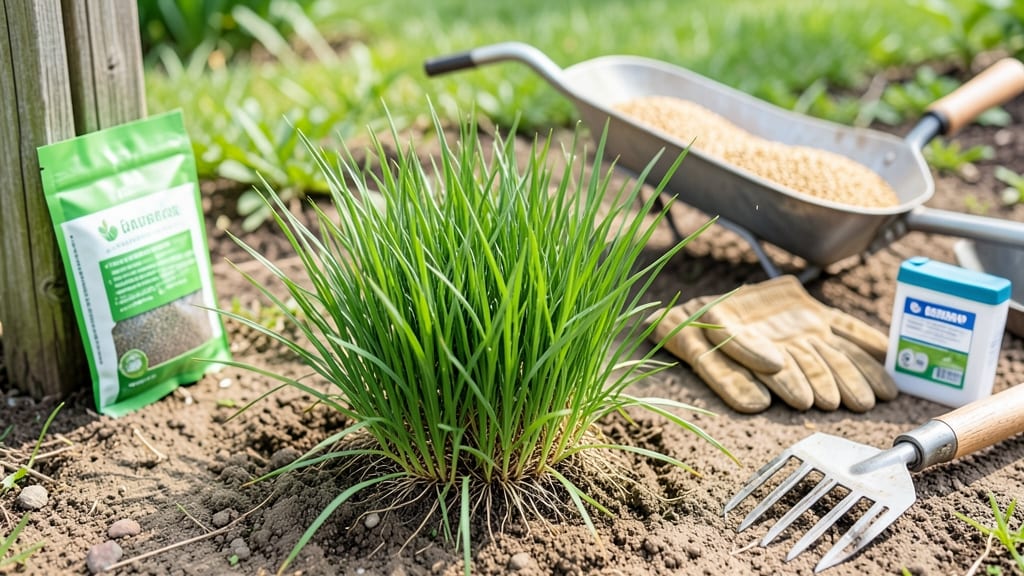
Planting fescue in South Carolina at the wrong time can leave your lawn struggling to take root before winter hits—so timing is everything.
The best window to plant this cool-season grass is late summer to early fall, when soil stays warm enough for germination but temperatures begin cooling, giving young roots a fighting chance before frost.
I’ve seen firsthand how a 6-week head start before the first frost makes all the difference. Whether you’re in the humid Coastal Plain or the slightly cooler Piedmont region, aiming for August through October ensures your fescue establishes strong roots before winter dormancy sets in.
This isn’t just guesswork—it’s about matching the grass’s growth cycle to South Carolina’s climate.
But here’s the catch: planting too early in summer means dealing with heat stress, while waiting too long risks weak roots before cold weather arrives. The key is balancing soil warmth with cooling temperatures—something I’ll break down so you can pick the perfect moment for your yard’s microclimate.
Ready to skip the trial-and-error? Let’s dive into the exact months that work best for your USDA Zone 7b-8a lawn, plus pro tips to keep your fescue thriving once it’s in the ground.
Best months to plant fescue grass in South Carolina for optimal root growth
South Carolina's humid subtropical climate creates unique challenges for fescue grass planting. Unlike northern regions, our long growing season and mild winters demand precise timing to avoid summer stress or winter dormancy issues.
The ideal window for planting fescue in SC runs from late summer through early fall, specifically August to October, when soil temperatures drop and rainfall remains consistent.
Fescue thrives when planted 4-6 weeks before the first frost date (typically around mid-November in SC). This timing gives roots 6-8 weeks to establish before winter dormancy begins.
For coastal areas, this might mean planting as early as late July, while inland Piedmont regions can wait until mid-August without risking summer heat stress.
Here's why fall planting works best: cooler temperatures reduce seedling stress, while increased rainfall in September-October provides natural irrigation. The soil remains warm enough for root development but not so hot that seeds risk drying out. This approach also helps fescue outcompete weeds before winter sets in.
For those considering spring planting, I don't recommend it for SC's climate. The hot, dry summers create establishment challenges, and fescue planted in spring often struggles to develop deep roots before the next winter.
If you must plant in spring, late April to early May is your only viable window—but expect slower growth and higher maintenance.
| Planting Window | USDA Zones | Soil Temp | Rainfall | Key Benefit |
|---|---|---|---|---|
| Late July - Early August | Coastal (Zone 8a) | 75-85°F | Moderate-High | Avoids peak summer heat |
| Mid-August - Early September | Piedmont (Zone 7b-8a) | 70-80°F | High | Optimal root establishment |
| Late September - October | Mountains (Zone 7b) | 60-70°F | Moderate | Pre-frost hardening |
| Late April - Early May | All Zones | 65-75°F | Low-Moderate | Higher maintenance required |
Microclimate variations across SC mean you should adjust slightly based on your location. Coastal areas like Charleston experience warmer winters and higher humidity, allowing for slightly earlier planting. Meanwhile, upstate regions near Greenville may need to plant 2 weeks later to avoid early fall frosts.
Always check your local frost dates—they can vary by 10-14 days even within the same county.
One common mistake I see is planting too close to frost. While fescue is cold-hardy, newly established roots need time to develop depth before winter. Aim for 60-70°F soil temperatures at planting time—the perfect balance between warmth for germination and coolness for stress-free growth.
Use a soil thermometer if you're unsure, as surface temps can be misleading.
For overseeding existing lawns, the window narrows to September to early October. This timing aligns with fescue's natural fall growth cycle and gives seeds 4-6 weeks to germinate before winter slows activity.
The cool nights and warm days of fall create perfect conditions for seedling vigor without the dormancy risks of spring planting.
Remember that fescue varieties like tall fescue and fine fescue have slightly different preferences. Tall fescue handles hotter soils better and can sometimes be planted in late July in coastal zones, while fine fescue prefers the cooler fall window.
Always check your seed packet for specific recommendations—they're designed for your local climate.
Finally, don't underestimate the power of pre-planting soil prep. South Carolina's clay-heavy soils in many areas and sandy coastal soils both require special attention. Whether you're planting in August or September, taking 4-6 weeks to prepare your soil will make all the difference in establishment success.
The right timing paired with proper prep gives your fescue the best chance to thrive through SC's hot summers and mild winters. 🌱
Best months to plant fescue grass in South Carolina for optimal root growth
South Carolina’s humid subtropical climate creates a unique window for planting fescue grass. The ideal planting months are late summer to early fall—specifically August through October—when soil stays warm but nights begin cooling.
This timing lets fescue establish deep roots before frost, ensuring a resilient lawn through winter.
Fescue thrives when planted 4-6 weeks before the first frost, which typically hits South Carolina around mid-November. In USDA zones 7b-8a, this means aiming for late August to early October.
Coastal areas may extend planting slightly later, while the Upstate Mountains should plant earlier due to cooler microclimates.
Here’s why these months work best: Soil temperatures remain ideal for germination (60-75°F), while rainfall patterns provide natural moisture. Summer heat stress is avoided, and weed competition is minimized compared to spring plantings.
| Planting Window | Soil Temp (°F) | Rainfall (in/month) | Frost Risk |
|---|---|---|---|
| Late August | 70-75°F | 4-5 in | Low |
| September | 65-70°F | 3-4 in | Moderate |
| Early October | 60-65°F | 2-3 in | High |
Avoid planting in spring—South Carolina’s hot, dry conditions can cause seed desiccation and shallow root systems. Winter plantings are also risky, as cold soil slows germination. For coastal areas, extend planting to early November if temperatures stay mild, but monitor hurricane season risks.
If you miss the fall window, late winter (February) is a secondary option for overseeding, but results are less reliable due to erratic spring rains. Always test soil moisture before planting—dry spells in September-October may require supplemental watering to keep seeds viable.
For best results, align your planting with local weather forecasts. Check the National Weather Service for 10-day outlooks to time irrigation needs. A well-timed planting in September often yields the most frost-resistant lawn by winter.