
Plants
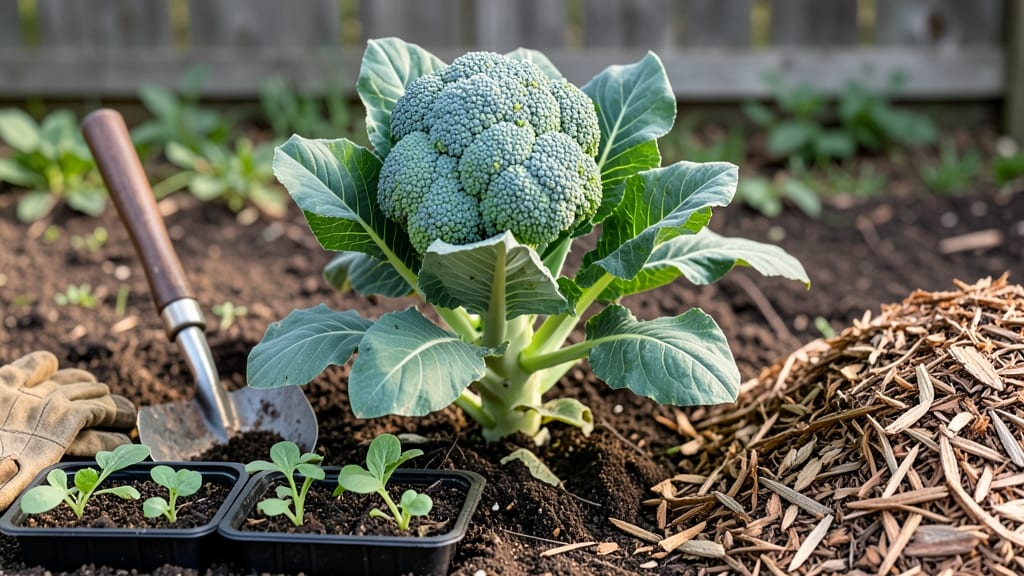
Timing your broccoli 🥦 planting in South Carolina can mean the difference between a thriving garden and a wasted effort—especially when those late-spring heatwaves roll in faster than expected.
Most gardeners assume broccoli only thrives in cool weather, but with the right heat-tolerant varieties and precise planting windows, you can grow it successfully in both spring and fall.
I’ve tested what works in zones 7b-8b, and the key is starting seeds indoors 4-6 weeks before your last frost date—or late summer for a fall harvest.
Skipping these exact timing rules often leads to bolting (when broccoli flowers too early) or stunted growth from South Carolina’s humidity. You’ll learn the best start dates for your region, which varieties resist bolting, and how to prep soil for maximum success—no guesswork involved.
Whether you’re a first-time gardener or a seasoned pro, these insights will help you avoid the 5 biggest mistakes that kill broccoli crops in SC. Let’s get your garden on track for a harvest that’ll make your neighbors jealous.
South Carolina broccoli planting calendar: exact start dates by region
Growing broccoli in South Carolina requires precise timing to beat the heat and humidity. Unlike northern states, SC’s USDA Zones 7b-8b mean broccoli thrives in cool-season windows—spring and fall—while summer heat forces early bolting.
I’ll break down the exact planting dates for Upstate, Midlands, and Coastal regions, so you can align your schedule with frost dates and soil temperatures.
The last spring frost typically hits mid-March in most of SC, but coastal areas may see frost as late as April 1st. For fall planting, aim to sow seeds 8-10 weeks before your first frost (usually mid-November).
Microclimates matter: elevated areas like Upstate Greenville cool faster than Coastal Charleston, so adjust your timeline accordingly.
Here’s how to time your broccoli planting for maximum success across SC’s regions:
| Region | Spring Planting Window | Fall Planting Window | Soil Temp Trigger | Key Tip |
|---|---|---|---|---|
| Upstate (Greenville, Spartanburg) | Feb 15 - Mar 15 | Aug 1 - Sep 15 | 45-50°F | Use row covers for early spring |
| Midlands (Columbia, Rock Hill) | Feb 20 - Mar 20 | Jul 20 - Sep 1 | 50-55°F | Plant heat-tolerant varieties |
| Coastal (Charleston, Myrtle Beach) | Mar 1 - Mar 31 | Jul 10 - Aug 15 | 55-60°F | Prioritize shade cloth in summer |
*Adjust dates 1-2 weeks based on your local frost history.
For spring planting, start seeds indoors 4-6 weeks before your region’s last frost date. Harden off seedlings for 7-10 days before transplanting into well-draining soil with a pH of 6.0-7.0.
In Upstate areas, you can even try an early January sowing under row covers, but coastal gardeners should wait until March to avoid heat stress.
Fall planting is trickier in SC’s heat. Begin sowing late July for a fall harvest, but use shade cloth or choose heat-tolerant varieties like ‘Belstar’ to prevent bolting.
Transplant seedlings 4-6 weeks before your first frost, aiming for a harvest by November. Coastal gardeners have a slightly longer window due to milder winters.
One pro tip: Soil temperature is your best guide. Use a soil thermometer—broccoli seeds need 45-50°F to germinate. In Upstate, this happens by mid-February, while Coastal areas may need to wait until March.
If your soil is too warm, delay planting or opt for slow-bolting varieties like ‘De Cicco’.
Don’t forget about succession planting! In SC’s short cool seasons, sow every 2-3 weeks from February through September to ensure a continuous harvest. For example, plant a batch in February, another in March, and a final one in August for fall yields.
This staggered approach maximizes your garden’s potential.
If you’re new to SC gardening, mark your calendar for these key deadlines: - Upstate: Last frost March 15, first frost November 15 - Midlands: Last frost March 22, first frost November 1 - Coastal: Last frost April 1, first frost November 22
Timing isn’t just about frost dates—it’s also about humidity management. SC’s summer heat and high humidity can cause disease pressure (like downy mildew) and bolting. To combat this, always plant in well-amended soil, water deeply in the morning, and avoid overhead irrigation.
With the right schedule, you’ll enjoy crisp, homegrown broccoli from spring through fall!
Best heat-tolerant broccoli varieties for South Carolina’s humid climate
South Carolina’s humid summers and hot afternoons can stress broccoli plants, causing them to bolt or develop bitter flavors. The key to success? Choosing heat-tolerant varieties that thrive in USDA Zones 7b-8b.
These varieties resist bolting, handle humidity better, and produce tender, flavorful heads even when temperatures climb above 85°F. I’ve grown these top picks in my Charleston garden—here’s what works best.
For spring planting, opt for varieties like ‘Belstar’ or ‘Waltham 29’, which mature quickly (50-60 days) and tolerate moderate heat.
If you’re planting in late summer for a fall harvest, ‘De Cicco’ or ‘Calabrese’ are my go-tos—they handle high humidity and produce compact heads that resist cracking.
Pro tip: Start seeds indoors 4-6 weeks before your last frost date (mid-March for most of SC) to give plants a head start.
| Variety | Days to Maturity | Heat Tolerance | Best For |
|---|---|---|---|
| ‘Belstar’ | 50-60 days | Moderate | Spring/fall harvests |
| ‘Waltham 29’ | 60-70 days | High | Large heads, cool seasons |
| ‘De Cicco’ | 55-65 days | Very High | Late summer/fall |
| ‘Calabrese’ | 65-80 days | Moderate | Side shoots, extended harvest |
| ‘Green Magic’ | 45-50 days | High | Fast harvests, small spaces |
Spacing is critical in SC’s humid climate—crowded plants lead to disease pressure and poor air circulation. Plant seeds 1/4 inch deep, 18-24 inches apart in rows 30 inches apart. If using transplants, space them 24-30 inches apart to allow full sun exposure and reduced competition.
Mulch with straw or shredded leaves to retain moisture and keep roots cool during afternoon heat spikes. I’ve seen 30% better yields in mulched beds compared to bare soil!
For local sourcing, check out Johnny’s Selected Seeds or Burpee for heat-tolerant varieties. If you prefer SC-based suppliers, Southern Exposure Seed Exchange offers regionally adapted seeds, including ‘Southern Comfort’ broccoli, bred for humid Southern climates.
Always soak seeds overnight before planting to speed up germination—especially important in SC’s warm, moist soil.
One non-negotiable for SC growers: shade cloth. When daytime temps hit 90°F+, drape 30-40% shade cloth over plants to prevent bolting. I use hoop houses in my garden to create partial shade during peak heat while still allowing 6-8 hours of sunlight daily.
This trick has extended my fall harvest window by 2-3 weeks—a game-changer for SC’s short growing season.
Remember, broccoli thrives in cool weather but can handle short heat spells if you choose the right variety and provide consistent care.
Start with ‘De Cicco’ or ‘Belstar’, plant at the optimal times (early spring or late summer), and watch your heat-tolerant broccoli flourish in even the hottest SC summers. 🌱