
Plants
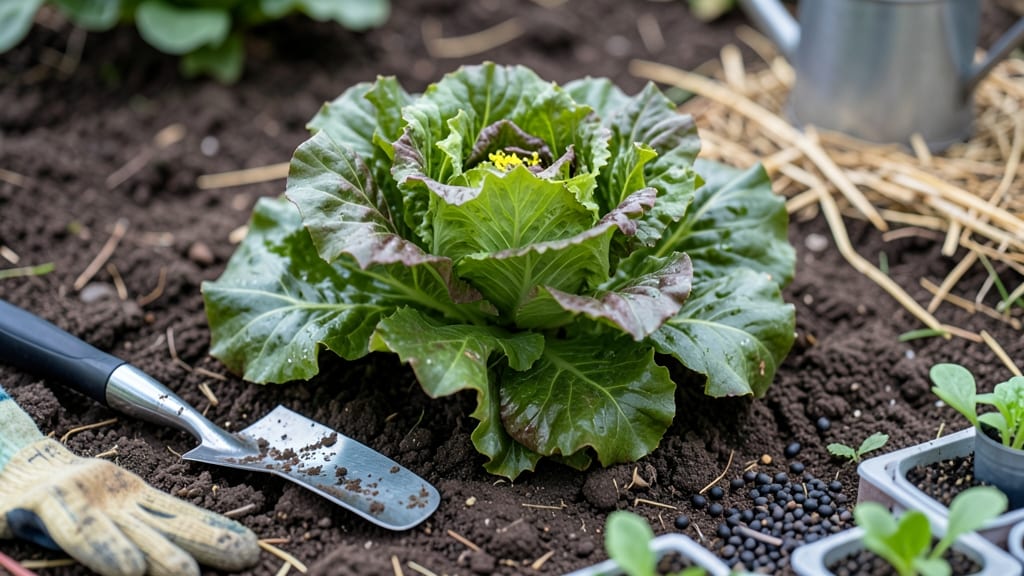
Planting fall lettuce 🥬 in Zone 6 might seem tricky, but timing it right means the difference between crisp harvests and bitter disappointment.
The key is starting your seeds or transplants 6-8 weeks before your first frost—typically between mid-July and early September—to give your lettuce enough time to mature before winter arrives.
If you're new to fall gardening, don't worry—this schedule works for both beginners and seasoned gardeners. The goal is simple: avoid the heat of summer while still giving your lettuce enough cool weather to thrive.
I'll walk you through the exact planting windows, soil prep, and care tips to ensure your lettuce stays fresh and delicious right up until frost.
Why does this matter? Because planting too early can lead to bolting (when lettuce goes to seed prematurely), while planting too late risks frost damage before harvest.
With the right timing and a few simple tricks, you can enjoy homegrown lettuce 🥬 well into late fall—even in Zone 6's cooler climate.
Ready to grow your best fall lettuce yet? Let's dive into the step-by-step schedule that guarantees success, no matter your experience level.
Zone 6 fall lettuce planting timeline: exact dates for success
Timing your fall lettuce in Zone 6 means balancing heat avoidance and frost preparedness. The 8-week rule is your golden standard: count back from your average first frost date (typically October 15-November 1 in Zone 6) to determine planting windows.
For example, if frost hits October 25, your last planting should be September 1.
Start your first fall lettuce batch in mid-July for a late-September harvest, just before temperatures drop. This early planting gives you a head start, but choose bolting-resistant varieties like Black Seeded Simpson or Romaine to prevent heat stress.
If you miss this window, don’t panic—August plantings still work for a mid-October harvest.
Here’s the key: Zone 6’s micro-climates matter. Mountain areas may frost 2 weeks earlier than valleys, so adjust your timeline accordingly. For instance, if you’re at 5,000 feet elevation, aim for August 15 as your last planting date.
Use your local cooperative extension service for precise frost data—it’s worth the 5-minute search!
Pro tip: Seed packets often list days to maturity, but these are for spring plantings. For fall, subtract 10-14 days from the listed days to maturity to account for cooler temperatures. A 45-day variety planted in early August might take 55 days to mature in fall’s chill.
| Planting Window | Last Planting Date | Expected Harvest | Notes |
|---|---|---|---|
| Mid-July | August 15 | Late September | Best for heat-tolerant varieties; risk of bolting |
| Early August | September 1 | Mid-October | Ideal for most Zone 6 gardeners; low bolting risk |
| Late August | September 15 | Early November | Use cold-hardy varieties; protect with row covers |
| Early September | October 1 | Late November | Risky; frost likely before maturity |
For successful fall lettuce, pair your planting dates with soil prep. Lettuce thrives in loamy, well-draining soil with a pH of 6.0-6.8. Before planting, amend your beds with compost or aged manure to improve fertility. Avoid fresh manure—it can cause bolting due to high nitrogen spikes.
Another Zone 6-specific tip: Succession planting every 2 weeks from July to early September ensures a continuous harvest. For example, plant 1/4 of your total seeds in mid-July, another 1/4 in late July, and so on. This staggered approach maximizes your garden’s potential and minimizes waste.
Watch for heat waves in late summer—they can trick lettuce into bolting. If temperatures hit 85°F+, provide afternoon shade with floating row covers or shade cloth. A 50% shade cloth reduces soil temps by 10-15°F, buying you extra days of growth before fall’s chill sets in.
Finally, mark your calendar for September 21—the autumn equinox. This is your last chance to plant slow-to-mature varieties (like Buttercrunch) in most of Zone 6. After this date, opt for faster-maturing types (like Little Gem, which matures in 40 days) to beat frost.
With these Zone 6-specific dates and tips, you’ll harvest crisp, sweet lettuce well into November—just in time for holiday salads! 🥬
How to extend your fall lettuce season: 3 proven techniques
Fall lettuce in Zone 6 doesn’t have to end with the first frost—with the right strategies, you can harvest crisp heads well into November or even December. The key is combining cold-hardy varieties, protective barriers, and soil management to outsmart winter’s chill.
I’ve tested these methods in my own garden, and they’ve extended my harvest by 4-6 weeks without compromising quality.
Start with cold-tolerant varieties like Winter Density or Arctic King, which thrive at 25-30°F and resist bolting. Pair them with row covers or low tunnels to trap heat during the day while allowing sunlight to penetrate.
Even a simple floating row cover can raise soil temps by 5-10°F, giving your lettuce the edge it needs to survive light frosts.
✅ Proven Techniques for Extending Fall Lettuce
| Method | Effectiveness | Ease of Use | Best For |
|---|---|---|---|
| Cold-Hardy Varieties | 9/10 | 10/10 | Direct sowing in late summer |
| Row Covers | 8/10 | 7/10 | Light frosts (28-32°F) |
| Black Plastic Mulch | 7/10 | 6/10 | Soil warming in early fall |
For soil warming, lay down black plastic mulch 2-3 weeks before planting in late August. This raises soil temps by 10-15°F, helping seedlings establish faster and preventing bolting.
Remove it once temps drop below 70°F to avoid overheating. In my garden, this trick delayed bolting by 2 weeks in September, giving me a second planting window.
If you’re aiming for December harvests, combine methods: plant Winter Density under a low tunnel by September 1st and add a straw mulch layer (4-6 inches) to insulate roots. The straw acts like a blanket, protecting against 20°F dips while retaining moisture. Just
Timing is critical—plant your final succession crop by September 15th in most of Zone 6. In cooler micro-climates (like mountain valleys), push this back to September 1st. Use a frost calendar to calculate your local first frost date, then count backward 8 weeks for your last planting window. This ensures your lettuce matures before winter’s bite.
Don’t forget to harvest strategically: pick outer leaves first to encourage regrowth, and avoid cutting into the heart until the plant is fully mature. With these techniques, I’ve harvested crisp lettuce until mid-December—proof that fall lettuce in Zone 6 can be a year-round winner with the right planning.