
Planting
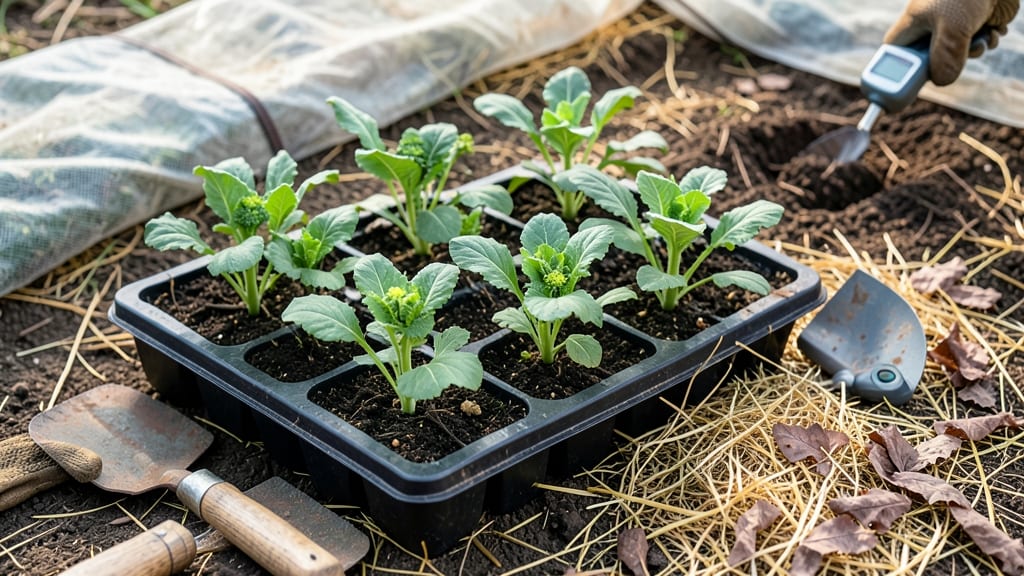
Planting a fall garden in Zone 7 isn't just possible—it's one of the most rewarding ways to extend your harvest season right up until the first frost.
With the right timing, you can enjoy crisp greens, hearty root vegetables, and fragrant herbs well into November, even in 7a/7b climates where frost arrives earlier than you might expect.
I've learned that the key to success lies in starting 4-6 weeks before your average first frost date—typically mid-August to early October in Zone 7.
This window allows cool-season crops like kale, carrots, and spinach to mature before temperatures drop, giving you a bountiful harvest just when you need it most.
What makes fall gardening so special is how much variety you can grow in just a few square feet. From quick-growing radishes to slow-maturing cabbages, I'll show you exactly which crops to plant when, so you never miss a beat between summer's end and winter's arrival.
Ready to transform your garden into a late-season oasis? Let's dive into the perfect planting schedule and crop combinations that will keep your table stocked long after summer's last tomato ripens.
Zone 7 fall planting timeline: exact dates for cool-season crops
Zone 7 gardeners enjoy a 6-8 week window for fall planting, starting in mid-August and ending by mid-October. The key is timing crops to mature 4-6 weeks before your average first frost (typically November 1 in Zone 7).
This schedule ensures your leafy greens, root vegetables, and cool-season brassicas reach harvest before winter sets in.
Your last frost date (April 15) helps calculate when to start seeds indoors or outdoors. For fall, we work backward: 60-day crops need to be planted by early September, while 30-day crops can go in as late as mid-October.
Use this timeline as your fall garden roadmap—adjust dates 1-2 weeks earlier or later based on your microclimate.
📅 Zone 7 Fall Planting Schedule
| Stage | Action | Best Crops | Notes |
|---|---|---|---|
| Mid-August | Start seeds indoors | Broccoli, Cabbage, Cauliflower | 6-8 week seedlings |
| Late August | Direct sow outdoors | Radishes, Spinach, Lettuce | 30-40 day maturity |
| Early September | td style="padding: 8px; border-bottom: 1px solid #65c34a;">Transplant seedlingsKale, Swiss Chard, Carrots | 45-60 day crops | |
| Mid-September | Direct sow for harvest | Turnips, Beets, Arugula | Succession plant every 2 weeks |
| Late September | Plant cold-hardy crops | Garlic, Onions, Peas | Overwinter for spring harvest |
| Early October | Last chance for fast growers | Spinach, Radishes, Lettuce | Use row covers for protection |
💡 Pro Tip: Check your local frost dates—they can vary by 1-2 weeks within Zone 7. Adjust your schedule accordingly!
For slow-maturing crops like broccoli or cabbage, start seeds indoors in mid-August to transplant by early September.
These plants need 60-80 days to mature, so timing is critical. Fast growers like radishes or spinach can be sown directly 2-3 weeks before frost—they’ll bolt if left too long, but you’ll still get a harvest.
Use soil thermometers to confirm readiness—ideal soil temps for fall planting are 60-70°F. Cool soil speeds germination, so wait until nighttime temps drop below 80°F before sowing. In Zone 7b (warmer microclimates), you might push planting 1-2 weeks later than Zone 7a.
Don’t overlook herbs and flowers for fall! Chives, cilantro, and pansies thrive in cooler temps. Plant them alongside your vegetables for a pollinator-friendly garden that keeps producing until frost. Calendula and nasturtiums are great edible flowers that add color and repel pests.
Mark your calendar for September 21—the autumn equinox signals shorter days and cooler nights, perfect for fall garden prep. This is your cue to amend soil with compost, test pH levels (ideal: 6.0-7.0), and plan your layout to maximize sun exposure as days grow shorter.
If you’re new to fall gardening, start small with easy-to-grow crops like lettuce or rad
Best fall vegetables for Zone 7: fast-growing vs. slow-maturing crops
Choosing the right fall vegetables for Zone 7 means balancing maturity times with your first frost date. Fast-growing crops like radishes and bush beans mature in 30-50 days, while slower varieties like broccoli or cabbage need 60+ days.
Plant the fastest varieties first, then follow with longer-season crops.
For Zone 7’s 180-day frost-free window, start with quick harvesters in late August and transition to cool-season staples by mid-September. This staggered approach ensures you’ll enjoy fresh produce right up until November’s first frost. Always check seed packets for days to maturity—this is your best guide!
Fast vs. Slow Crops
| Crop | Days to Maturity | Best Planting Window | Notes |
|---|---|---|---|
| Radishes | 25-30 | Late August | Sow every 2 weeks |
| Spinach | 30-40 | Mid-September | Harvest before bolting |
| Bush Beans | 45-55 | Early September | Tolerates light frost |
| Broccoli | 60-80 | Late August | Plant early varieties |
| Kale | 50-65 | Mid-September | Sweeter after frost |
Don’t overlook herbs like cilantro and parsley, which thrive in cool fall weather and mature in 40-60 days. These add flavor to your harvest while filling gaps between slower-growing veggies. For succession planting, sow fast growers every 2 weeks—this keeps your garden productive until frost.
If you’re new to fall gardening in Zone 7, prioritize cool-season crops like lettuce, carrots, and green onions. These are forgiving for beginners and adapt well to shorter daylight hours. Avoid heat-loving crops like tomatoes or peppers—they’ll bolt or rot in fall’s cooler temps.
Pro tip: Use row covers or cold frames to extend harvests by 2-4 weeks for slower crops. This simple trick can turn a November frost into a December harvest for hardy greens like kale or collards. Just
For Zone 7 gardeners, the key is planning backward from your first frost date. Start with fast crops, then layer in medium and slow varieties as the season progresses. With this strategy, you’ll enjoy a continuous harvest from late September through November. Happy planting!